Life and career
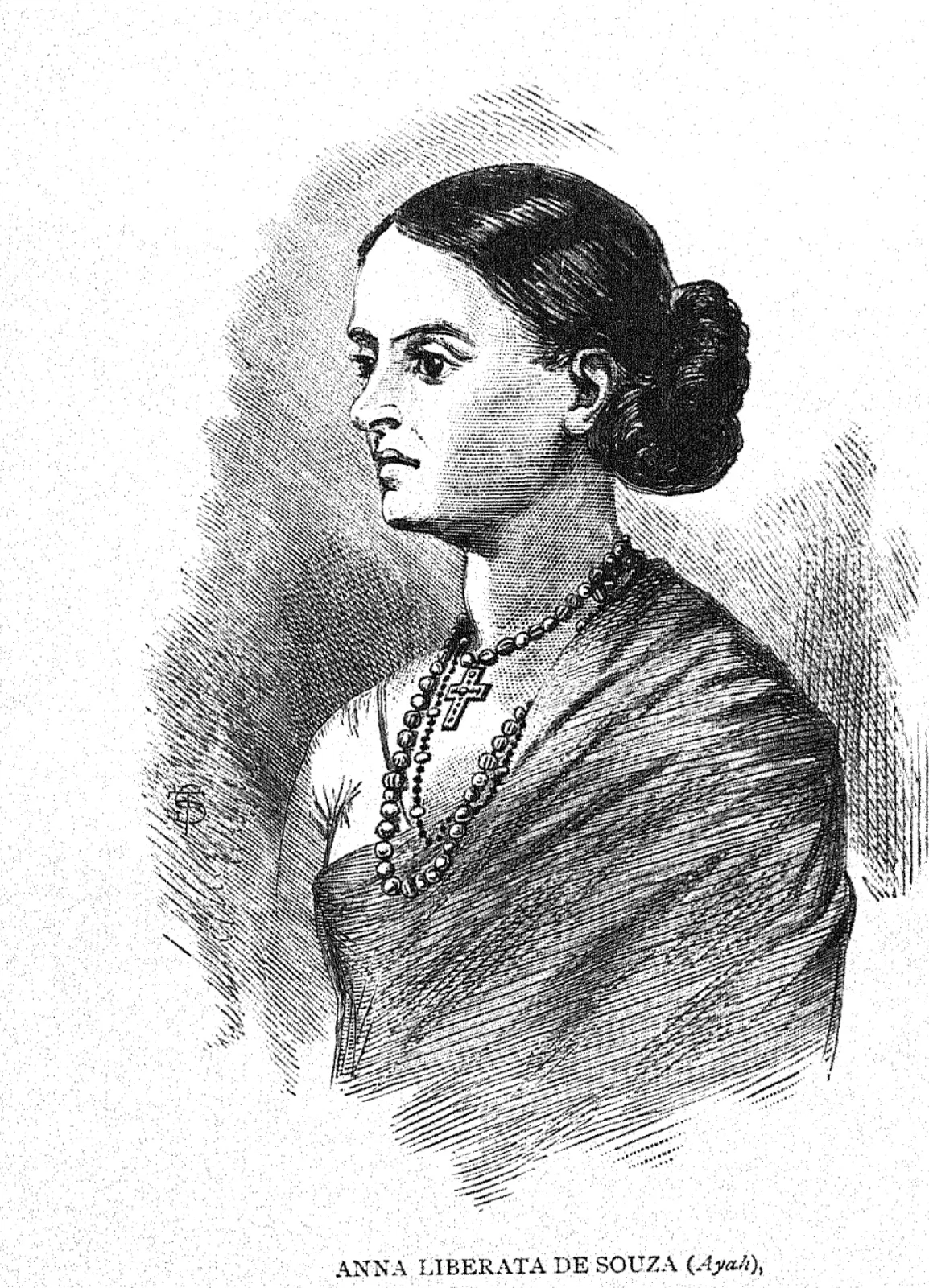
Mary Frere travelled in western India while her father, Bartle Frere, held office as governor of Bombay. Her companion Anna Liberata de Souza, who worked as her ayah, had grown up hearing stories told by her grandmother. Conversations between the two women on their journeys became the starting point for Old Deccan Days. De Souza spoke English, and Frere wrote down the stories she heard.
Frere came from a British official family with access to a London publisher. De Souza came from an Indian Christian family whose history she recounted in her own words. In 1868 John Murray published the collection with that account near the front. The correspondence preserved in the Murray archive in Scotland records Frere’s part in bringing a collaboration on the road to the attention of readers overseas.
Work and ideas
Old Deccan Days includes animal fables, enchanted princes and heroines whose resourcefulness keeps them alive. The book preserves the name of the woman who chose and told the tales. Its opening account also preserves something rarer in a nineteenth-century collection of folktales, the storyteller’s memories of work, family and the circumstances in which she first listened to them.
The published volume was also a family undertaking. Frere’s father supplied an introduction and her sister Catherine provided illustrations. Their contributions, printed beside the tales and de Souza’s narrative, show how much the finished book owed to people occupying very different positions in colonial India. De Souza’s account of her grandmother gives these tales a family history extending back beyond the journeys on which Frere heard them.