Life and career
Mabel Collins grew up in a literary household on Guernsey. Her father, Mortimer Collins, was a poet and novelist. She married the writer Kenningale Robert Cook in 1871 and established a career in fiction under her own name. Her interests extended from popular storytelling to the question of whether a writer might receive instruction from an intelligence beyond her own.
In 1884 she joined the London Lodge of the Theosophical Society. From 1887 to early 1889 she helped Helena Petrovna Blavatsky edit Lucifer, a periodical in which Theosophists argued their case before a wider public. Their association ended in a dispute that also brought the origins of Collins’s own writing into question. In later life she campaigned for animal welfare and against vivisection.
Work and ideas
Light on the Path appeared in 1885 as a compact book of spiritual instruction. For readers in the Theosophical movement the authority behind its precepts mattered. Collins at one point associated them with the teacher known as Hilarion and subsequently asserted her own authorship. These differing accounts belong to the history of the book and to the public disagreement over who could speak for the movement’s teachers.
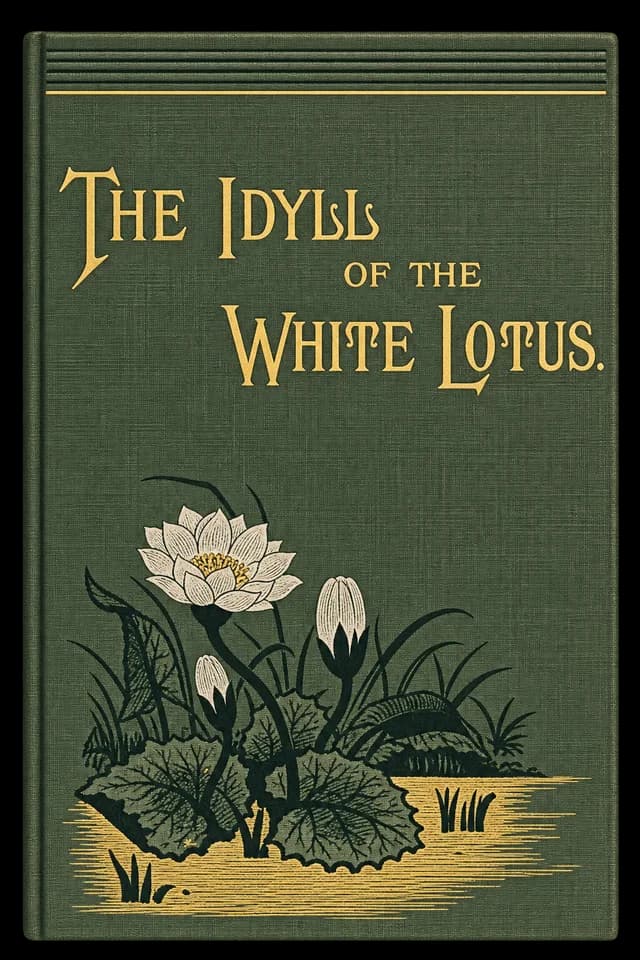
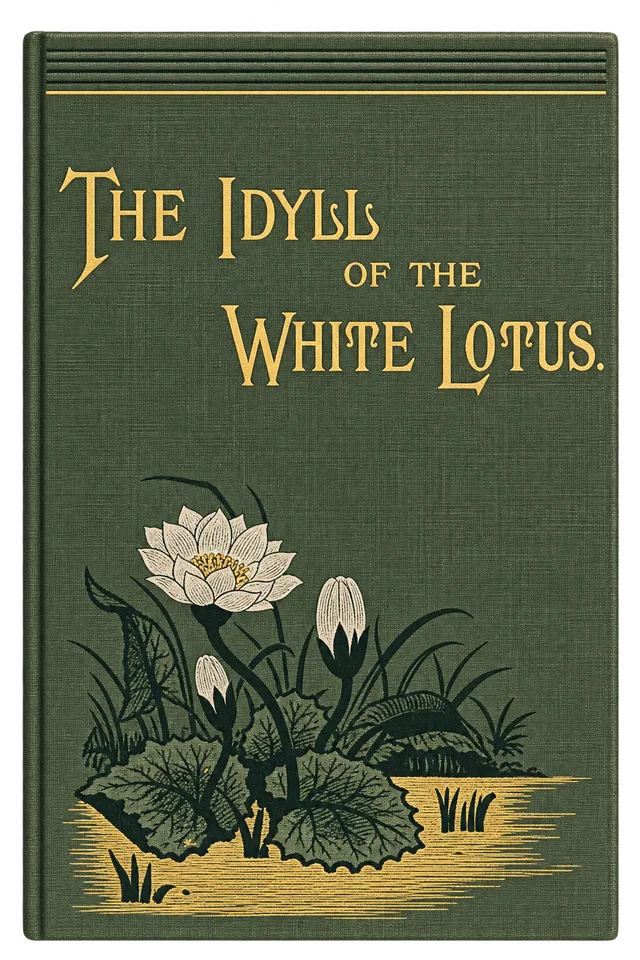
In The Idyll of the White Lotus she explored spiritual authority through fiction. Sensa, a young temple servant, has experiences that bring him into conflict with the priesthood that has trained him. Collins gave this conflict a setting, characters and consequences of its own. The priests want the boy’s visions to serve their own authority, while Sensa understands them as a personal obligation. That conflict gives the novel a place of its own among her writings on spiritual teachers.