Printmaking as a form of storytelling
Ward was born in Chicago in 1905. His father’s Social Gospel and social-justice commitments helped shape the environment of his childhood. After studying at Columbia’s Teachers College, he married the writer May McNeer and spent a year in Leipzig learning printmaking and book design. Encounters with Frans Masereel’s visual novels encouraged his own work in the form.
Returning to the United States in 1927, Ward developed wood engraving alongside illustration in other media. Gods’ Man appeared in 1929, followed by Madman’s Drum in 1930. A long collaboration with McNeer accompanied his independent books. The Biggest Bear earned the Caldecott Medal in 1953. His papers and artwork went to Georgetown, which preserves original blocks as well as printed images. He died in 1985.
An object carrying inherited violence
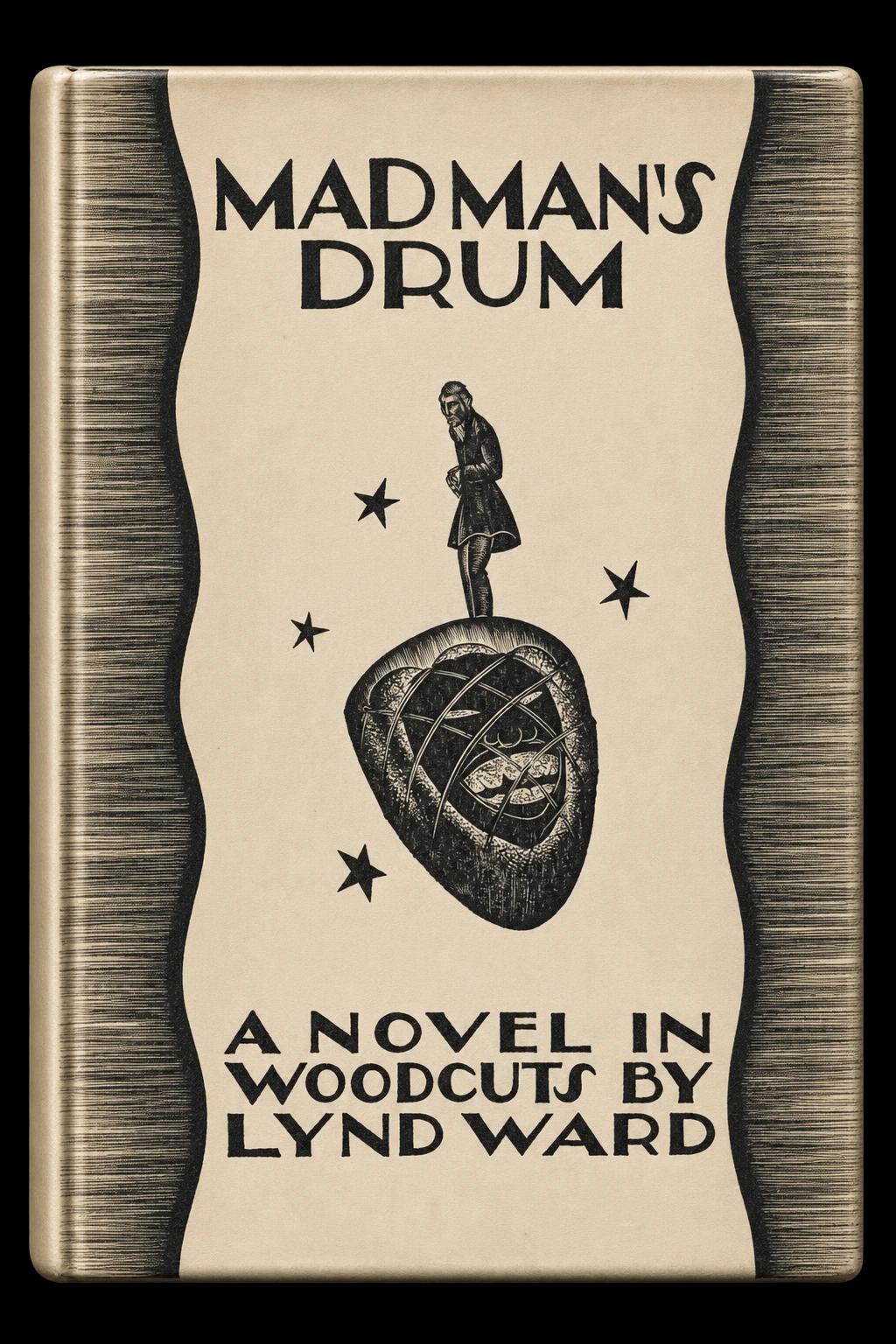
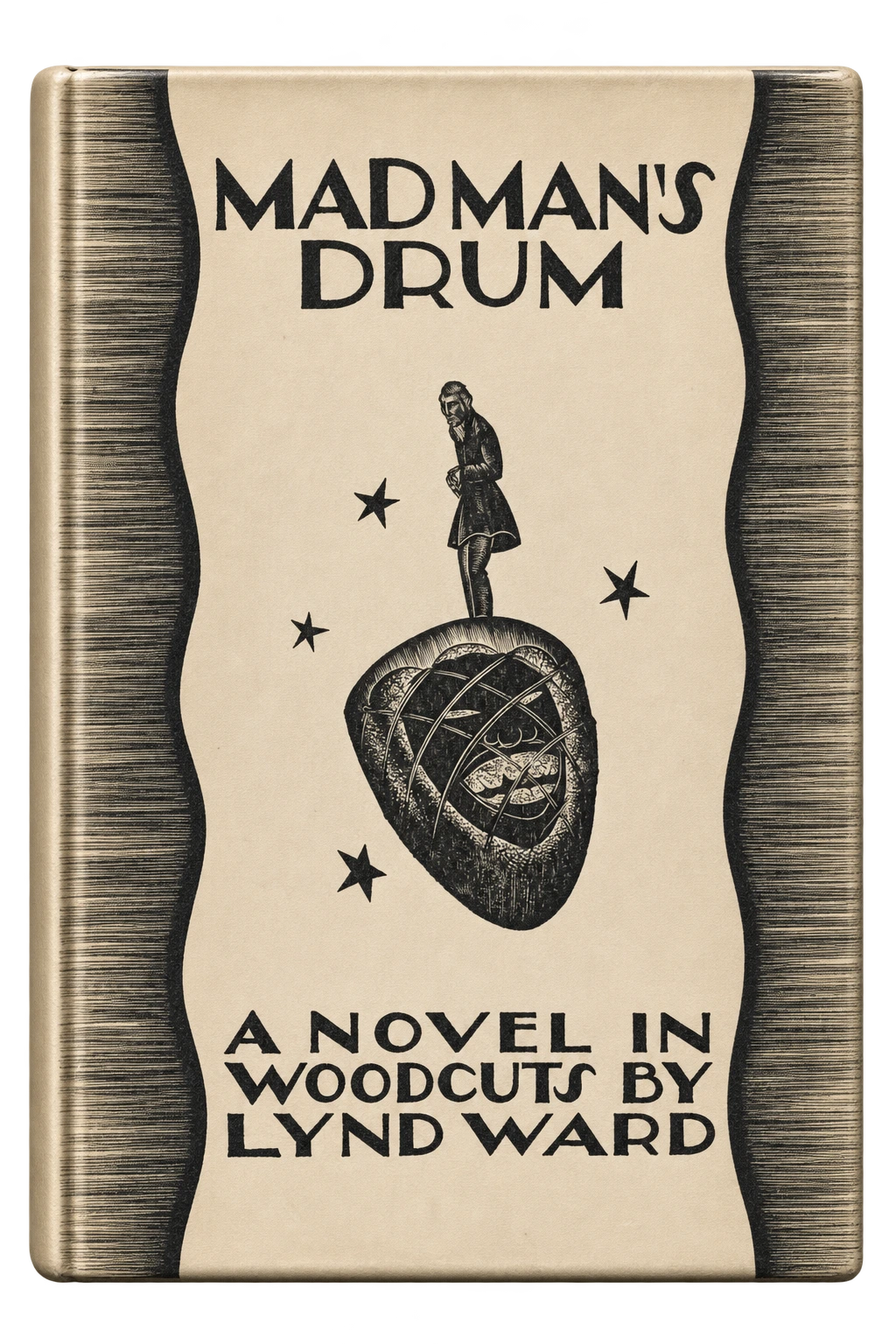
Madman’s Drum begins with a slave trader’s theft of a drum and follows the damage carried into his family. The title describes a novel in woodcuts; the images were made through Ward’s wood-engraving practice. Their sequence connects wealth, possession and the violence behind them.
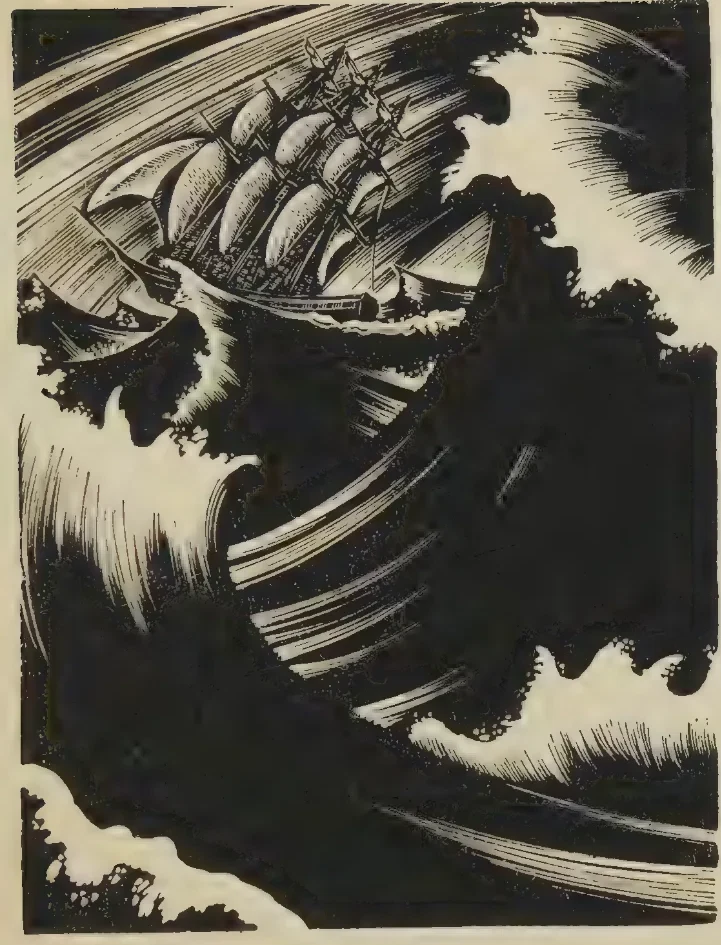
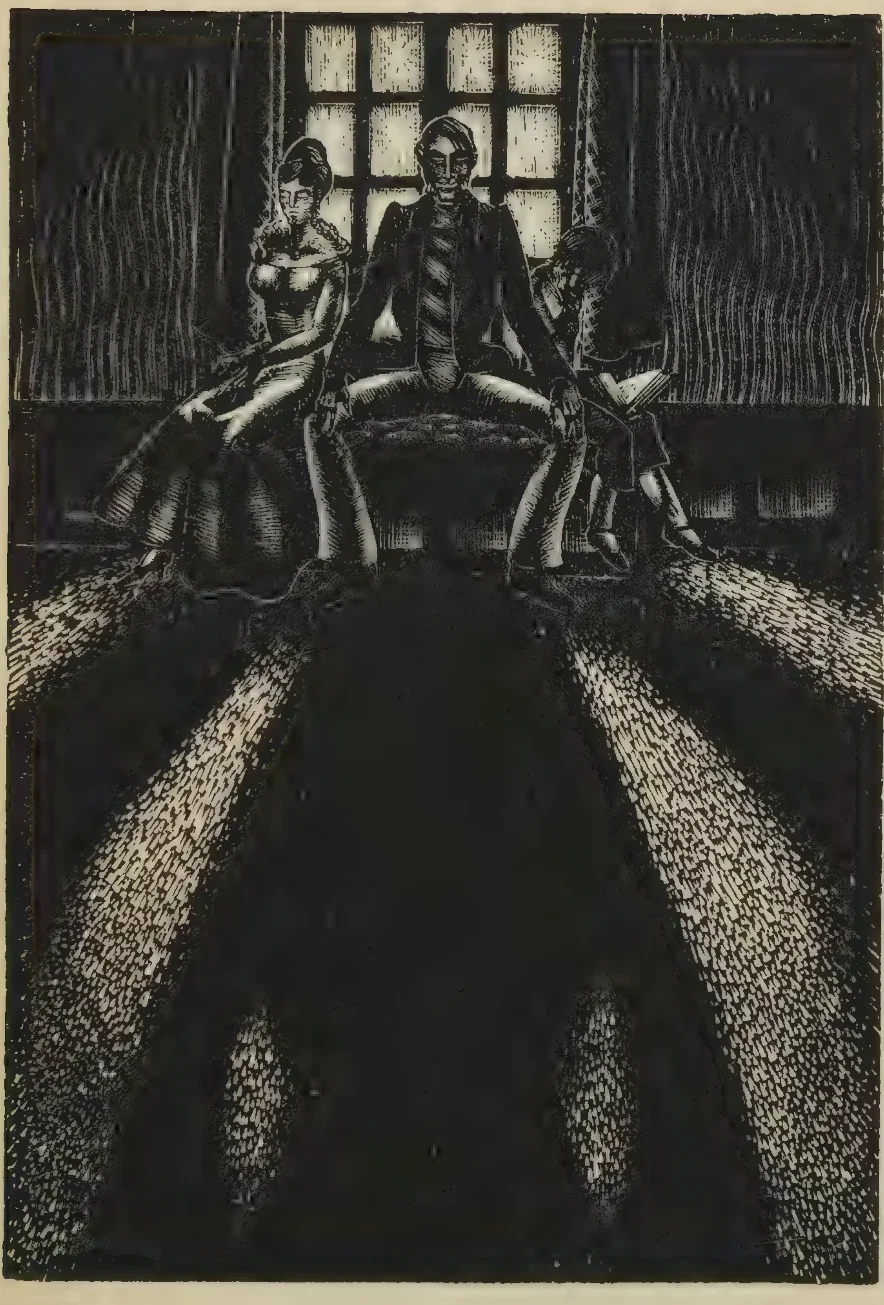
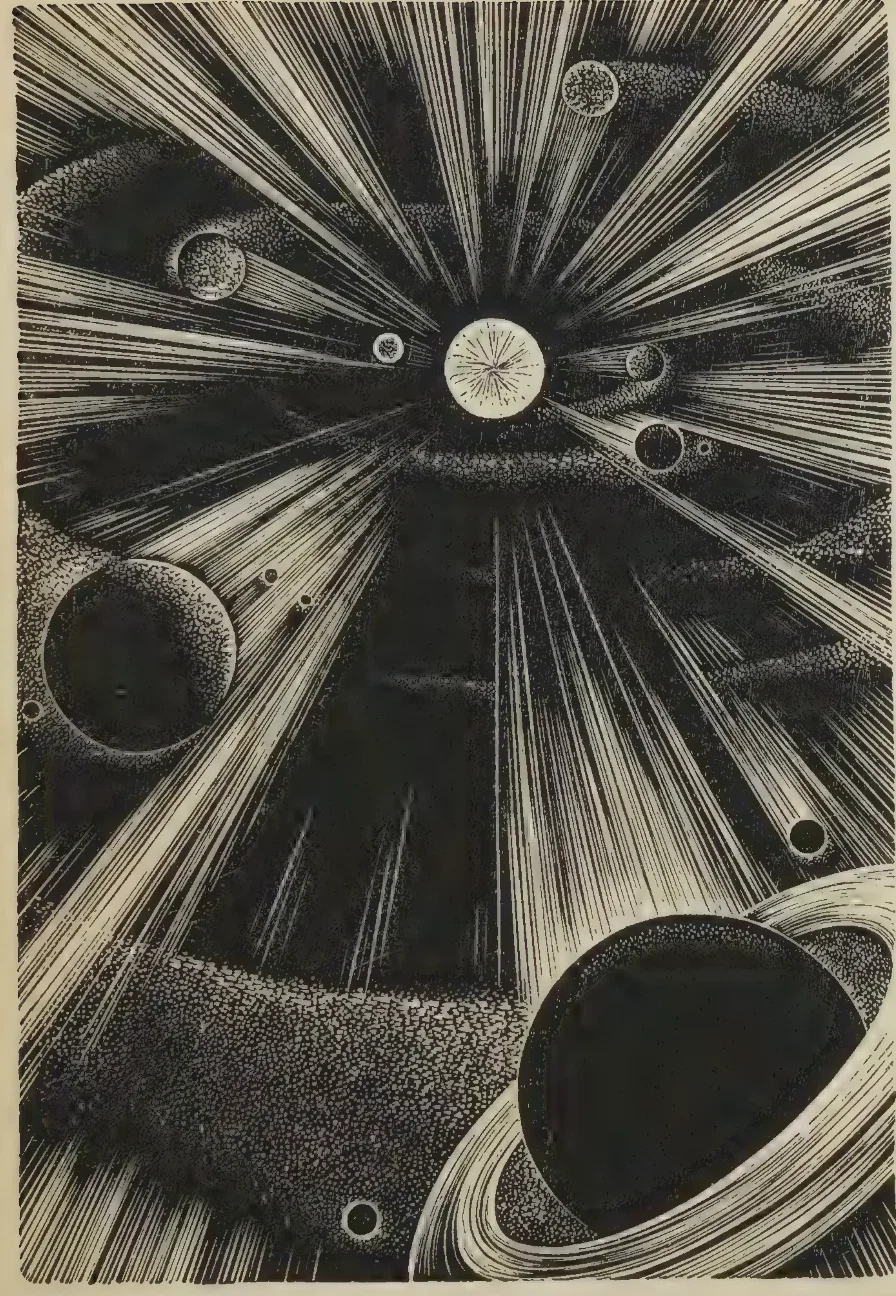
A ship pitches through curved waves and diagonal rigging, while a seated family appears confined within an interior whose shadows reach towards the viewer. Both motion and stillness produce unease. Elsewhere, a planetary image changes the apparent scale without a sentence identifying it as place, thought or vision. Later images revise the force of earlier ones. Ward makes the intervals between pictures part of the narrative, allowing recognition and consequences to accumulate through the reader’s movement across pages.