Journalism, poetry and Scottish public life
Born in Angus in 1874, Spence studied at Edinburgh University before entering journalism. He became a sub-editor on The Scotsman in 1899, edited The Edinburgh Magazine and moved to London to work for The British Weekly. Returning to Edinburgh, he established himself as a freelance writer on world mythologies.
His poetry formed another part of Scotland’s literary renewal in the 1920s. The Phoenix and Weirds and Vanities used a Scots recalling the earlier makars, alongside his English verse. He was a founding member of the National Party of Scotland in 1928 and stood as a parliamentary candidate. His papers preserve correspondence and writing on independence as well as literary activity. He died in Edinburgh in 1955.
An argument carried through Egyptian stories
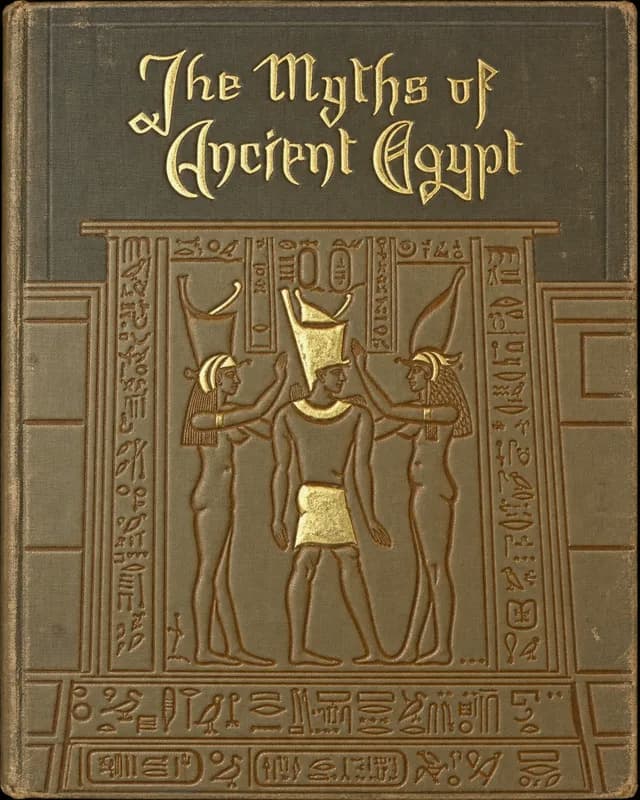
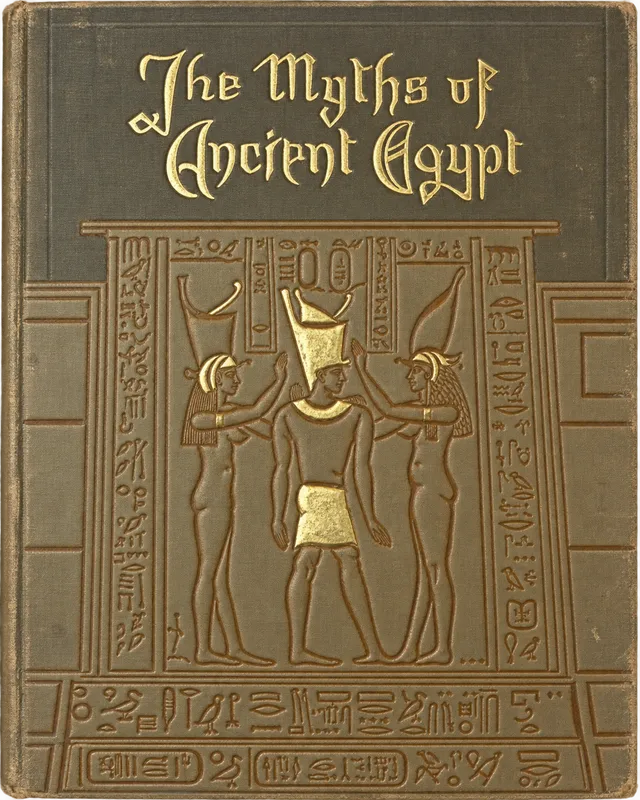
Myths and Legends of Ancient Egypt first appeared in 1913; the retained Harrap copy records a September 1923 reprint. The title distinguishes sixteen colour plates by Evelyn Paul from the other illustrations. Spence supplies the explanatory prose and retellings.
The preface declares a comparative approach, challenging interpretations that treat Egyptian religion in isolation. Accounts of divine relationships and the Osiris tradition therefore carry an argument about the development of belief as well as a sequence of stories. Death and restoration connect narrative with burial and the fate of human beings. Paul’s paintings belong to the modern interpretation of those subjects, while reproductions of ancient objects offer different evidence. The book preserves Spence’s explanatory ambitions alongside the assumptions of his period.