Journalism and a brief literary career
Leonard Lanson Cline was born in Bay City, Michigan, in 1893. Newspaper work on art, music and books preceded his novels. Poems appeared in 1914; God Head, drawing on Finnish legendary material, followed in 1925, and the lighter Listen, Moon in 1926. His interests as a critic and poet remained visible in his fiction’s sensory language.
In 1927 he shot and killed a friend during an argument at his Connecticut farm. He pleaded guilty to manslaughter and spent much of a year in prison. The Dark Chamber appeared that year and attracted favourable notices, including Lovecraft’s admiration. After his release he obtained work at Time, but died in New York in January 1929. A second poetry collection, Afterwalker, appeared posthumously.
Perception and the recovery of memory
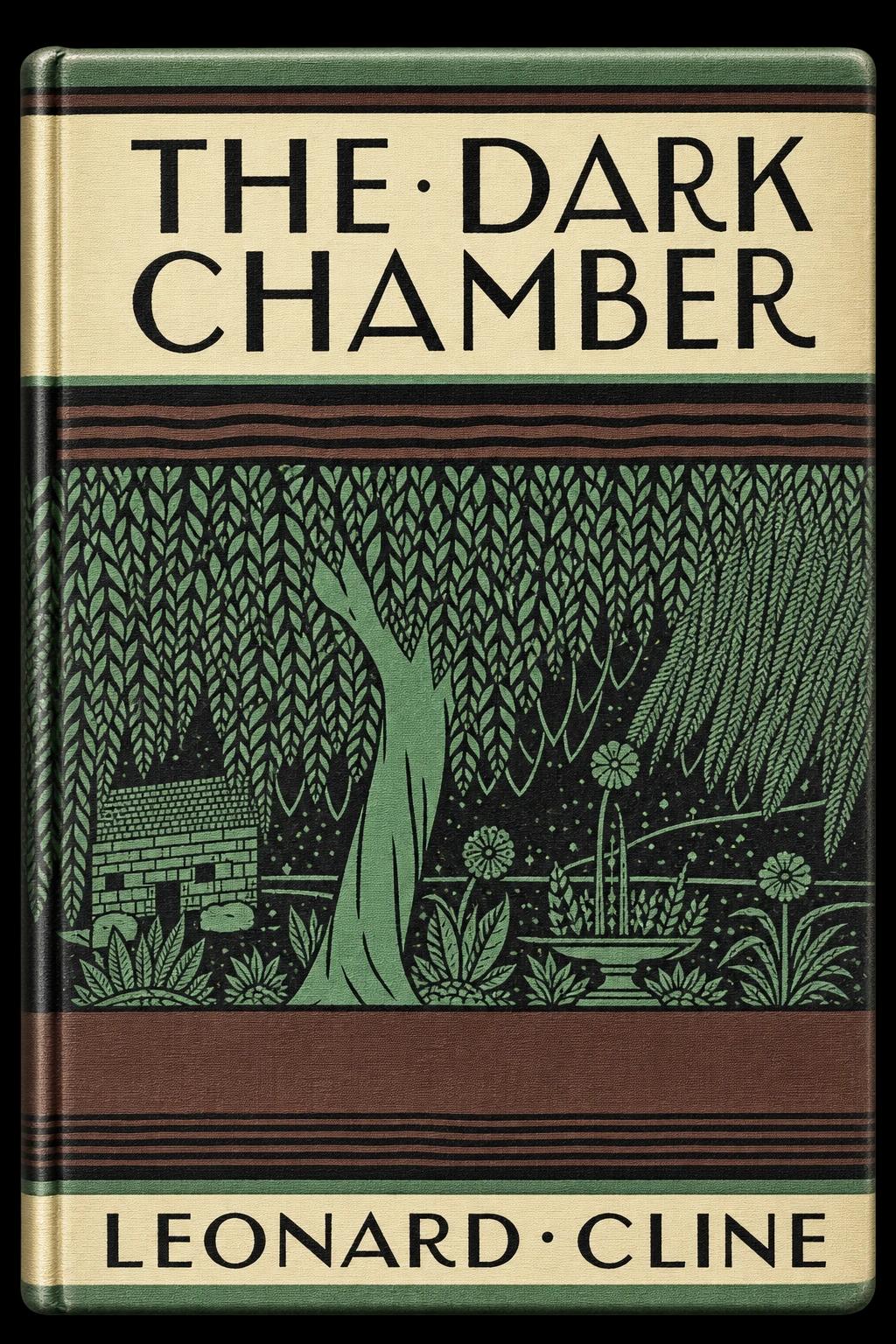
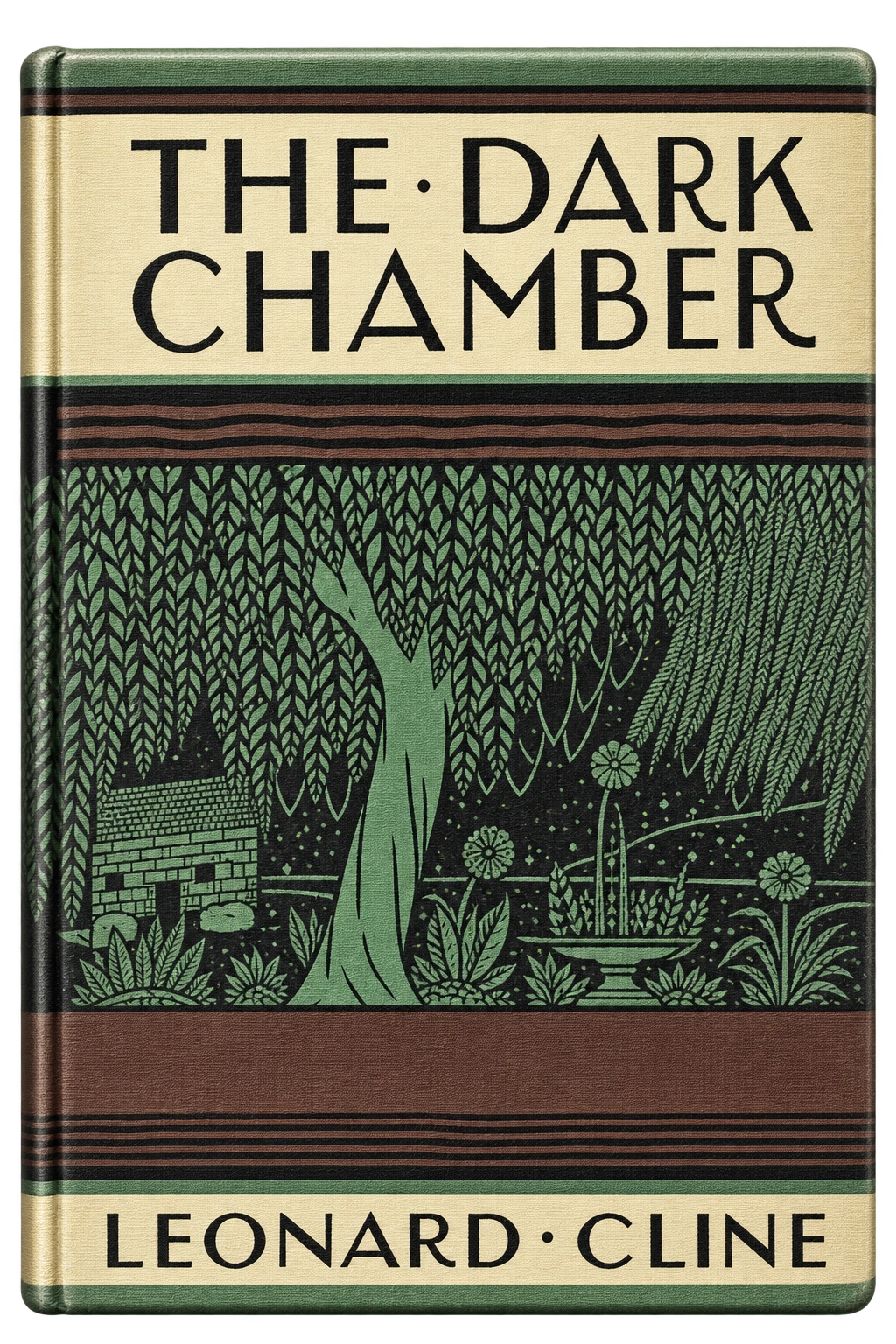
The retained Dark Chamber is a reflowed reading text of the novel, rather than a photographic reproduction of its 1927 printing. Oscar Fitzalan, a musician, encounters Richard Pride’s household through sound, bodily sensation and elaborate comparisons. Those descriptions reveal the observer’s sensibility alongside the people he watches.
A separate stone study gradually resembles an animal as Fitzalan looks at it: windows become eyes and the entrance a snout. No literal transformation is needed for the place to acquire menace. Pride’s effort to retrieve buried memories intensifies this unstable relation between perception and explanation. Reconstructing a personal past grows into the wish to reach beyond it. The Gothic setting holds a project of knowledge whose emotional and bodily consequences escape its promised control.