Actuarial work, fiction and exile
Perutz was born in Prague in 1882 and later lived in Vienna. Mathematical and economic studies preceded work as an insurance actuary from 1907. His first novel, The Third Bullet, appeared in 1915, already combining historical material with questions about identity and narrative authority. He served in the First World War and was seriously wounded.
Novels including The Marquis of Bolibar and The Master of the Day of Judgment brought a readership large enough for him to leave insurance work. Vienna’s literary cafés formed part of his social world. After the Nazi annexation of Austria in 1938 he emigrated to Palestine, living in Haifa and Tel Aviv. After the war he divided his time between Tel Aviv and Austria. He died in Bad Ischl in 1957.
A social evening becomes a problem of evidence
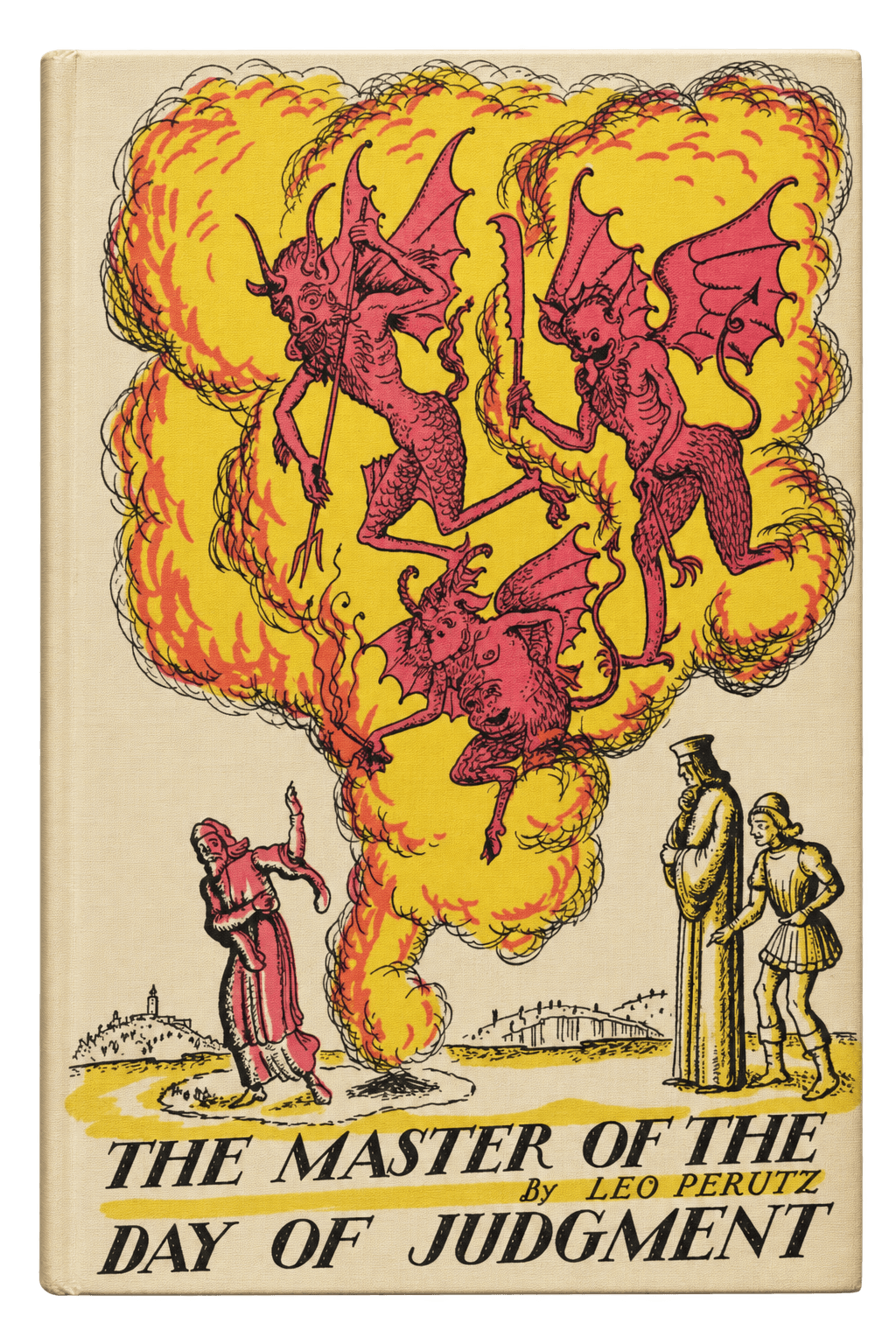
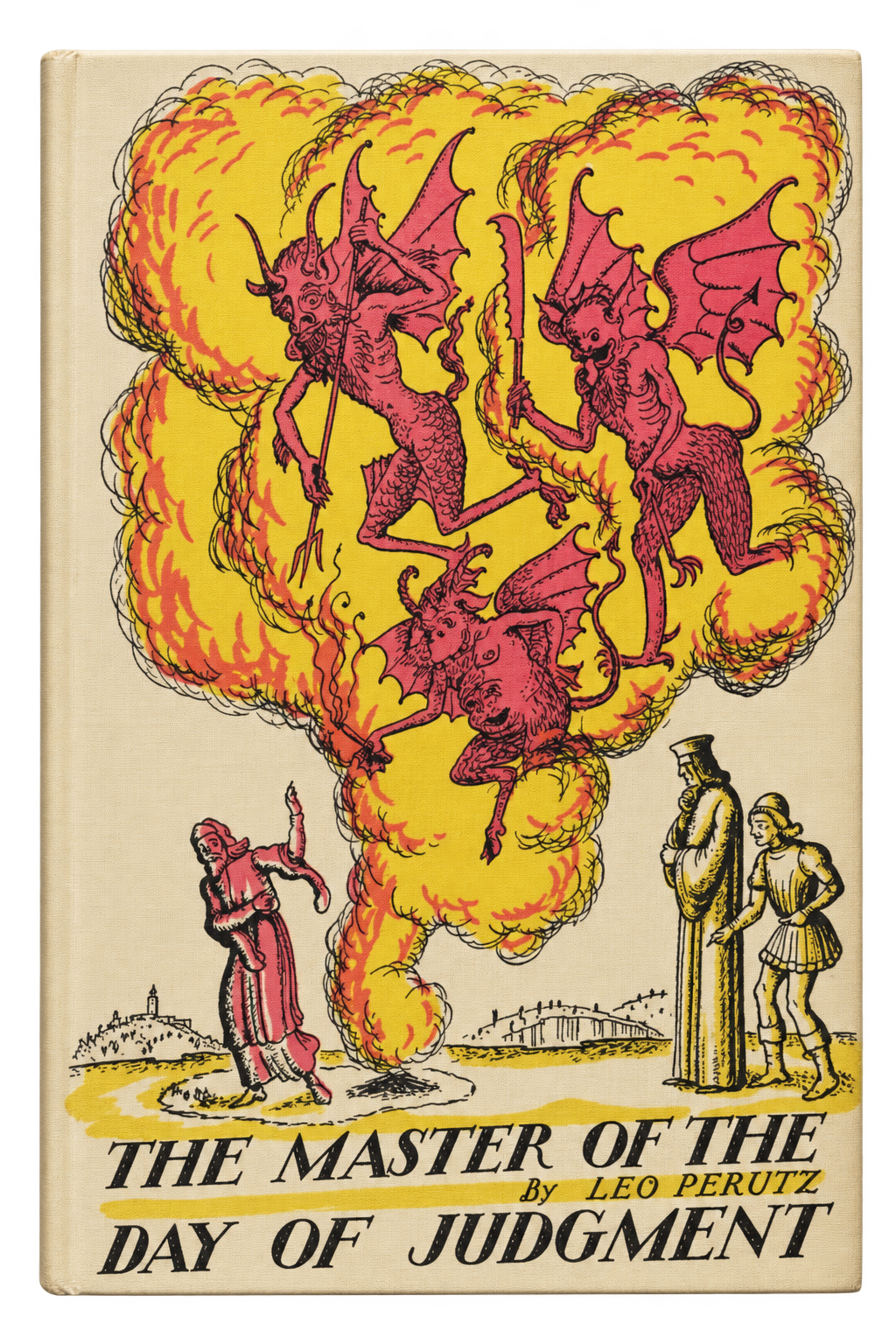
The Master of the Day of Judgment appeared in German in 1923. The held Charles Boni edition is dated 1930 and credits Hedwig Singer’s English translation. Baron Yosch’s recollection of chamber music immediately exposes private strain: an earlier relationship and a brother’s suspicions complicate his version of the evening.
An actor’s account of an unexplained death changes the atmosphere before an inquiry begins. Later, uncertain recognition of a telephone voice makes memory both indispensable and questionable. The narrative eventually presents a Florentine organist’s testimony from 1532, changing period and documentary form. Perutz lets these accounts offer explanations while retaining the circumstances and interests of their tellers. The problem is also how a version of events acquires the appearance of proof.