Life and career
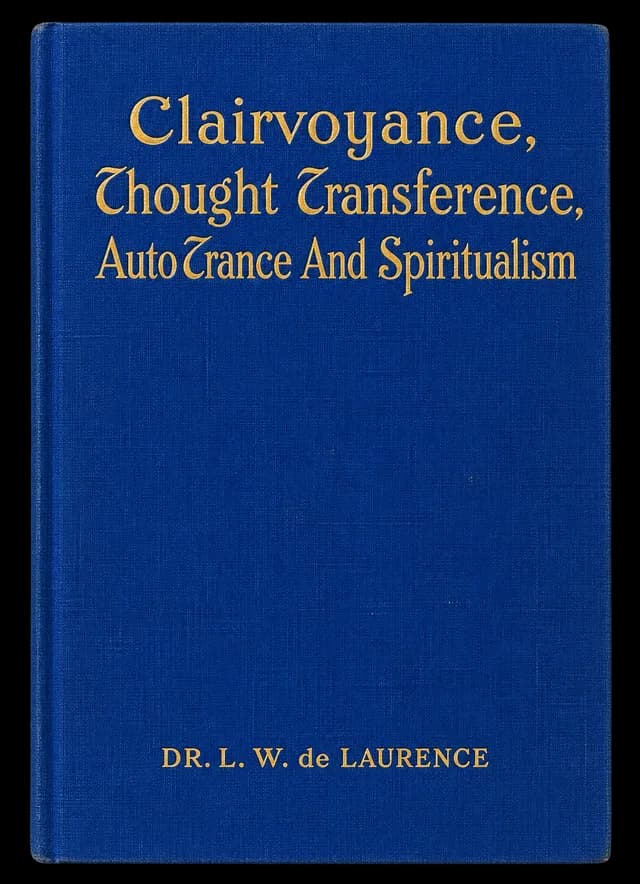
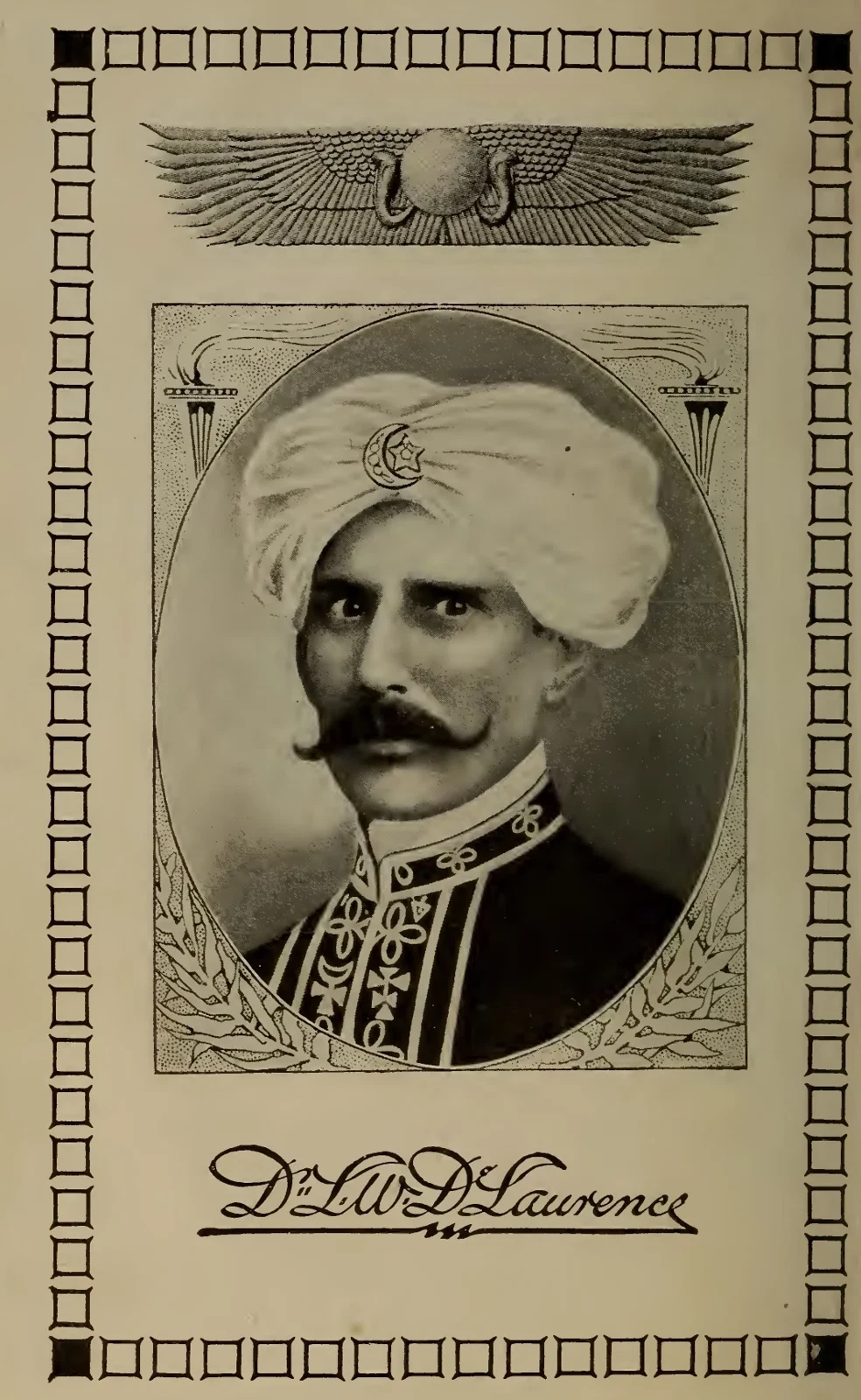
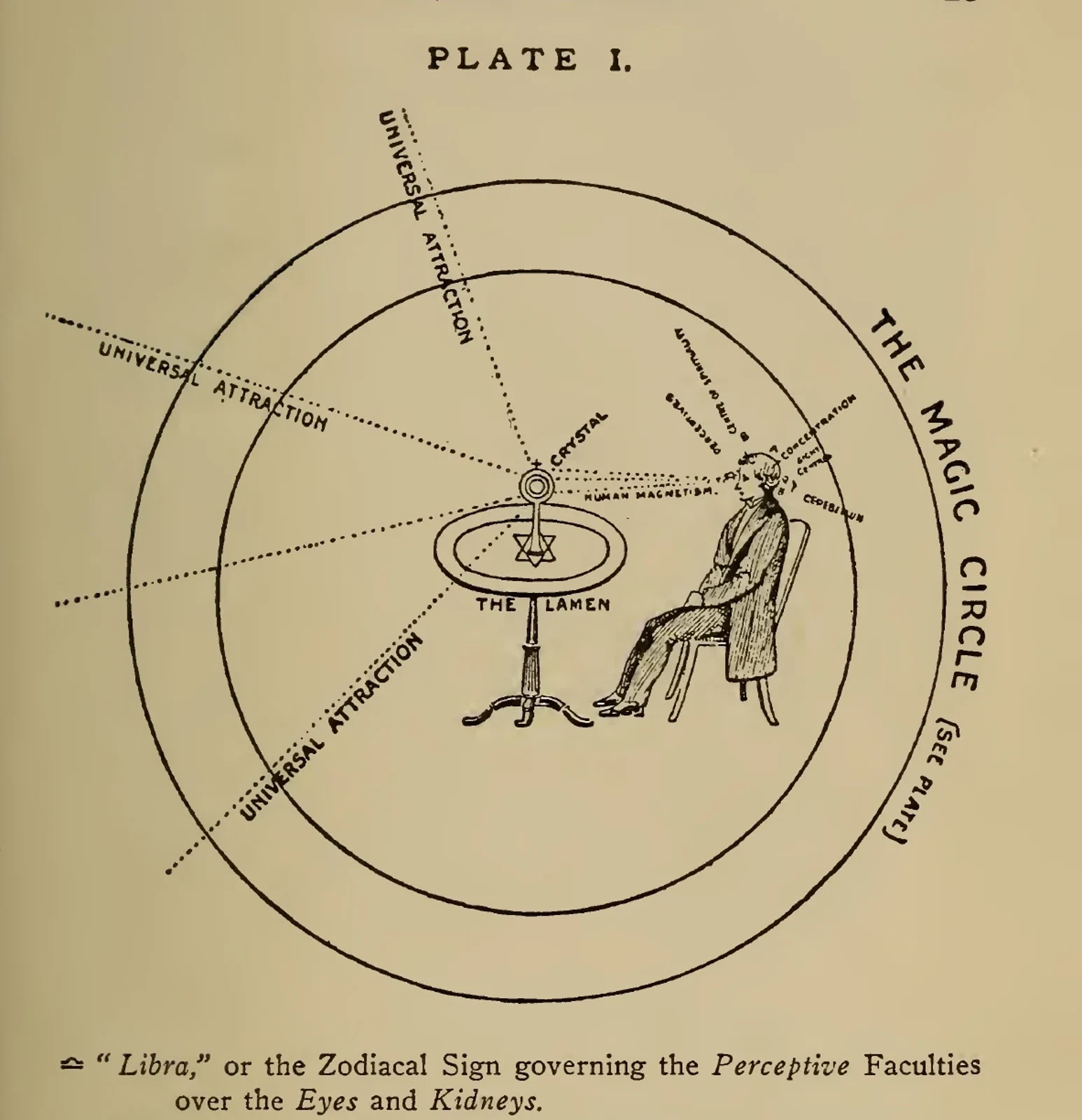
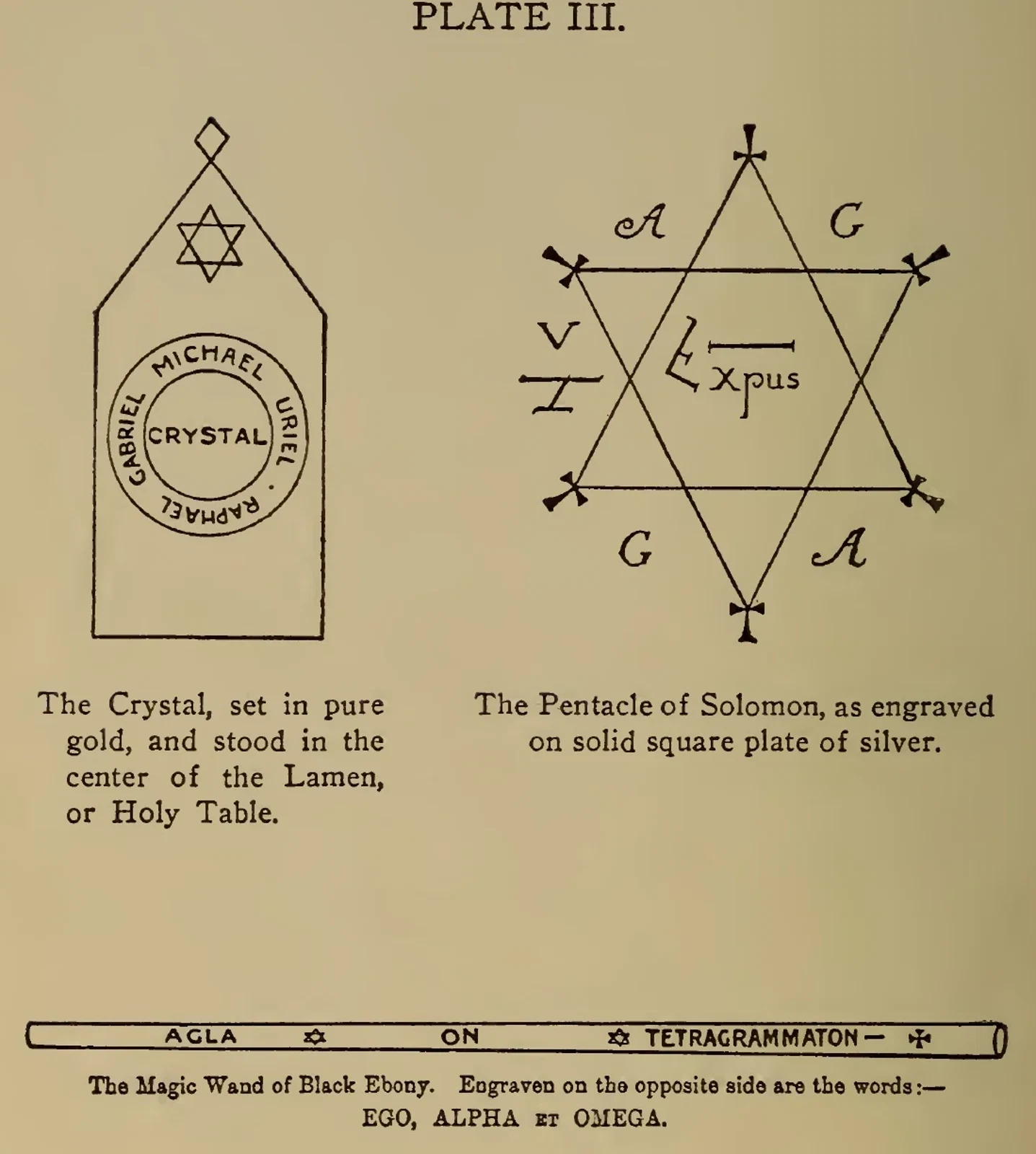
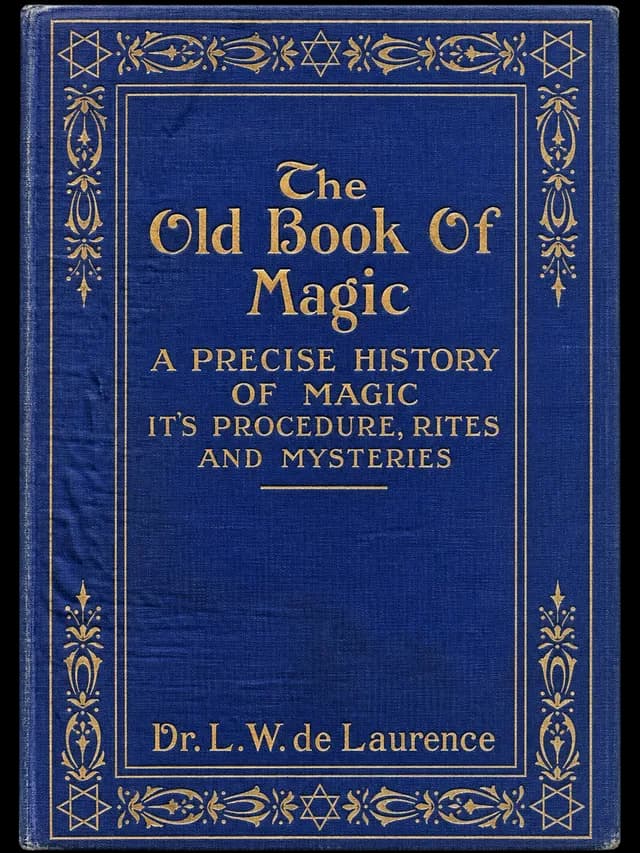
Lauron William de Laurence began his publishing career around the turn of the twentieth century in Chicago. His early interest in hypnotism became part of a business that promised instruction in the exercise of mental and spiritual powers. Through catalogues and the post, a reader far from a specialist bookseller could obtain a manual, a deck of cards or the equipment described in a lesson from the same address.
These catalogues travelled much further than their publisher. In Jamaica some practitioners of obeah acquired books and objects from the Chicago firm and put them to local uses. African American customers also encountered older European books of charms and psalm magic through the mail-order trade. Those readers belonged to traditions with histories of their own, and selected what they found useful from the material on offer.
Work and ideas
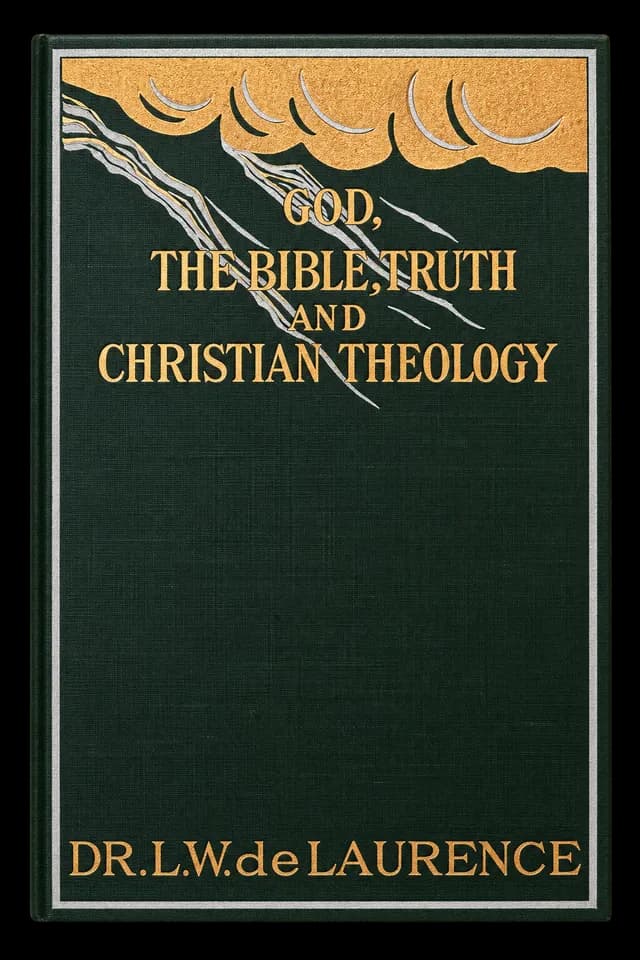
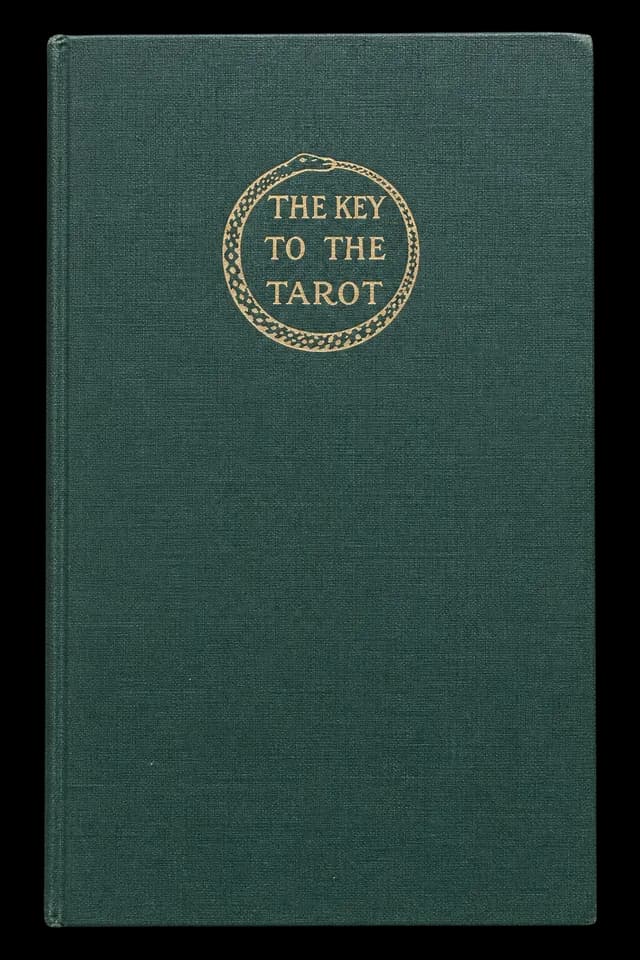
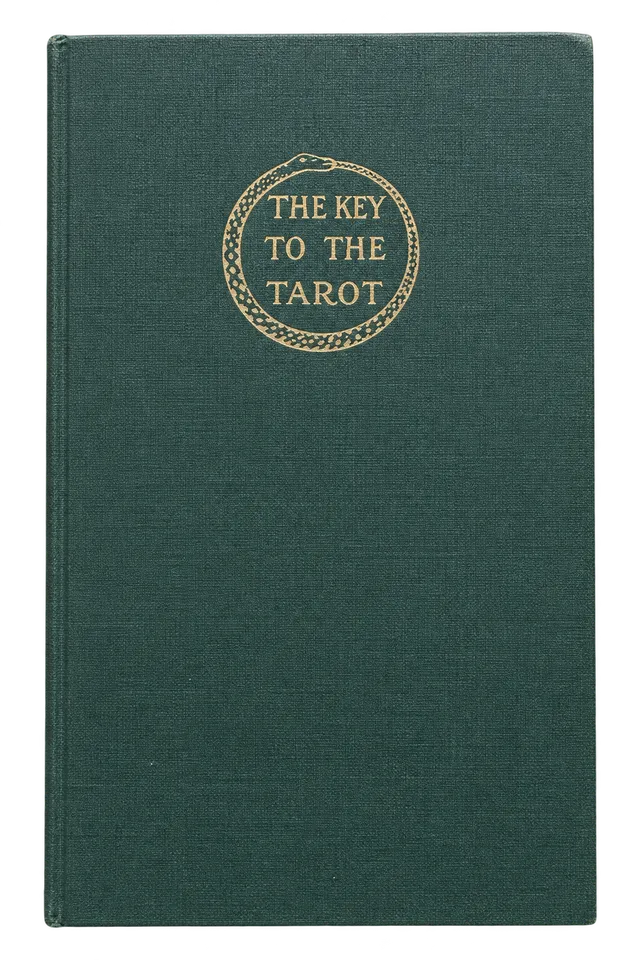
The goods sold under his name included original writing, compilations and reprints with altered titles or credits. The Illustrated Key to the Tarot, issued in Chicago in 1916, drew heavily on Arthur Edward Waite’s book and the cards designed by Pamela Colman Smith. De Laurence’s name on a title page can therefore identify the person marketing a particular edition while obscuring the contributions of earlier writers and artists.
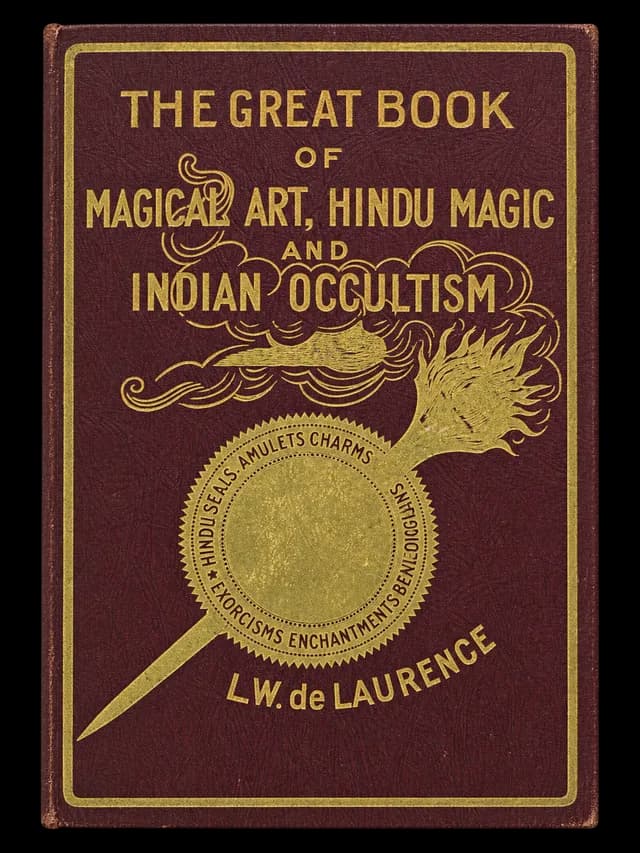
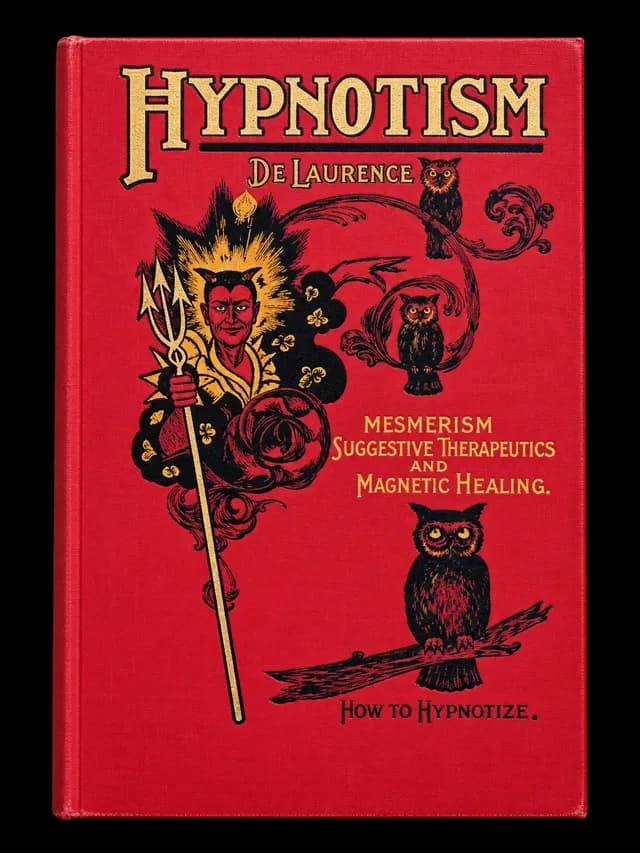
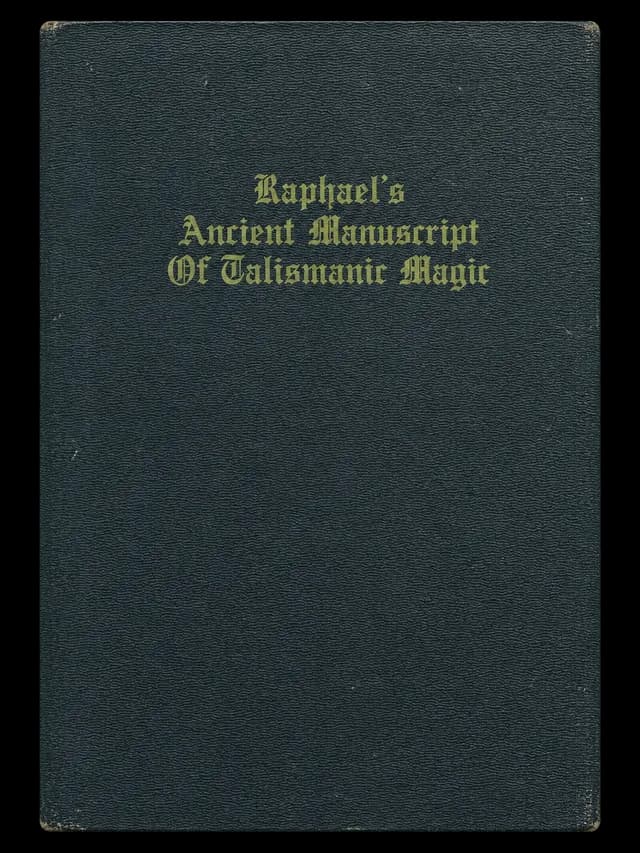
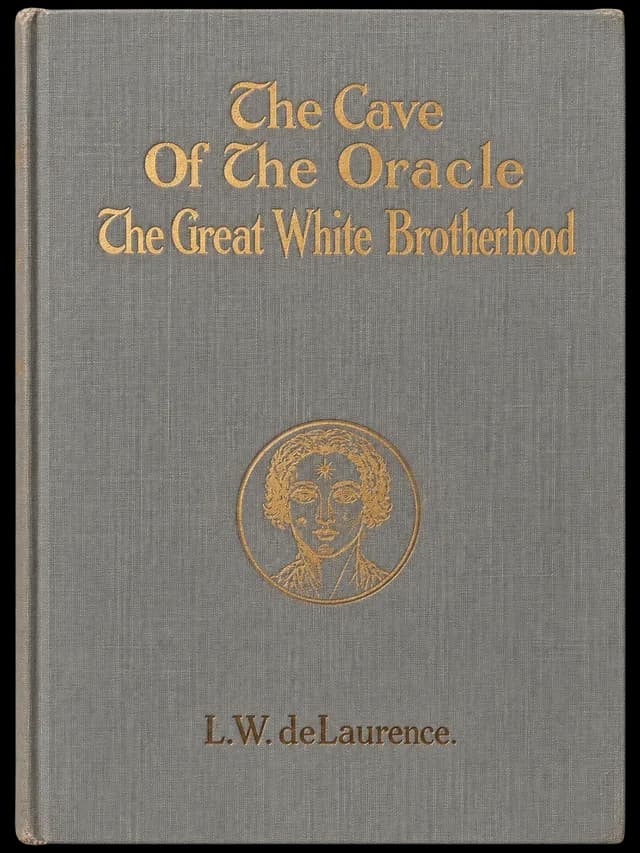
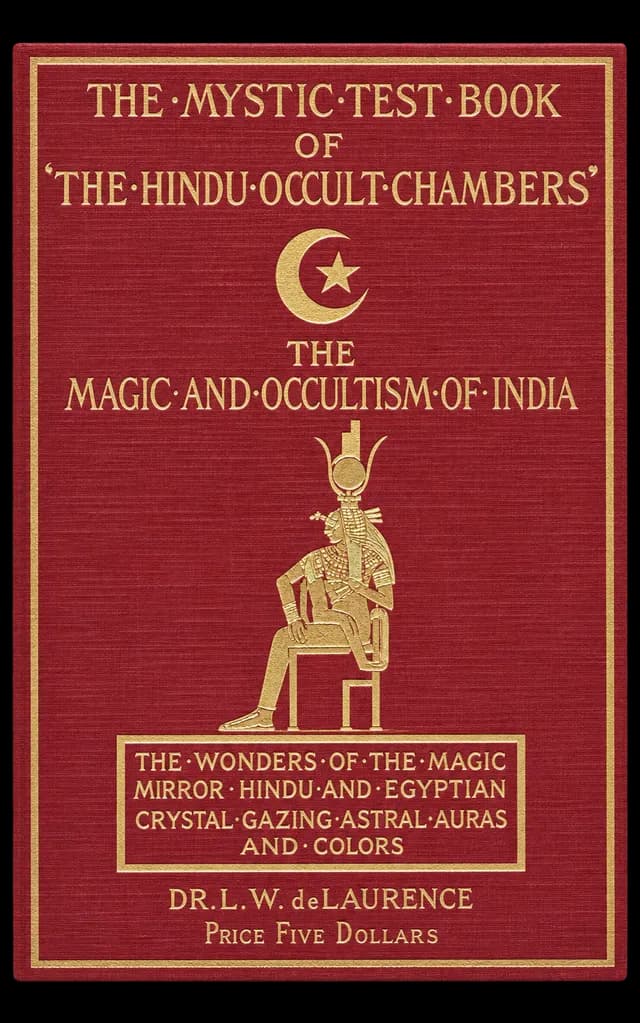
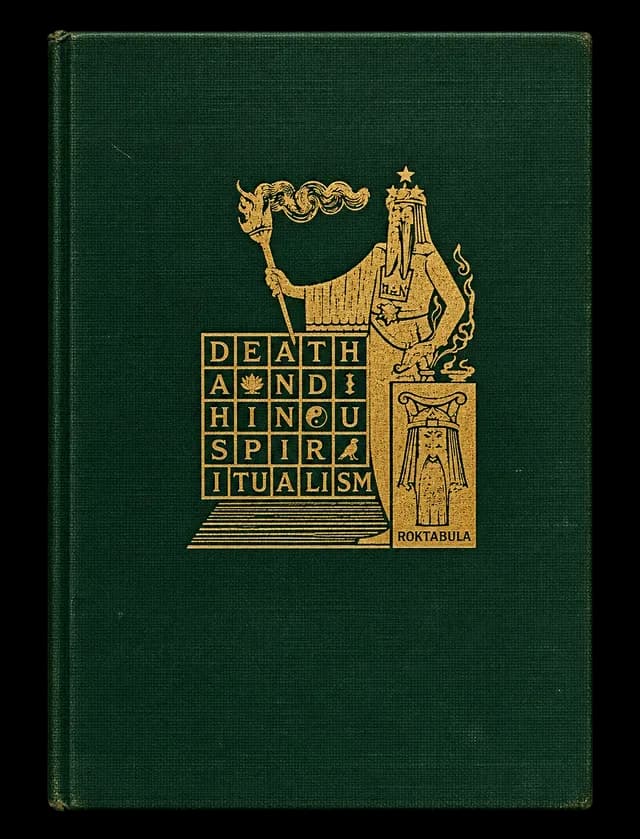
Other books reveal the scope of the business. The Sacred Book of Death addressed spirit communication and reincarnation, while manuals of hypnotism promised practical instruction. The Great Book of Magical Art brought previously distinct works into one binding. For the historian these volumes preserve the stock and editorial practices of a publishing house as well as the beliefs of an individual writer.