An education between China and the United States
Luther Newton Hayes was born in Soochow, now Suzhou, in 1883, the son of American missionaries Mercie and John Newton Hayes. He studied at Wooster College and Princeton, then returned to China, where his work included tutoring members of Li Hongzhang’s family. From 1908 he worked with the YMCA, holding educational and organisational posts in Tianjin, Nanjing and Chengdu.
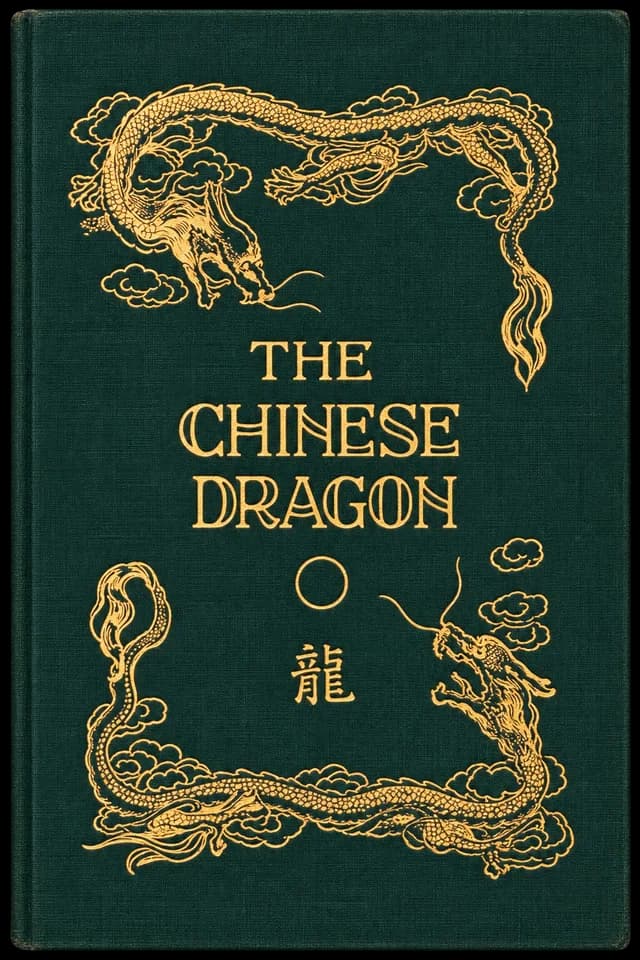
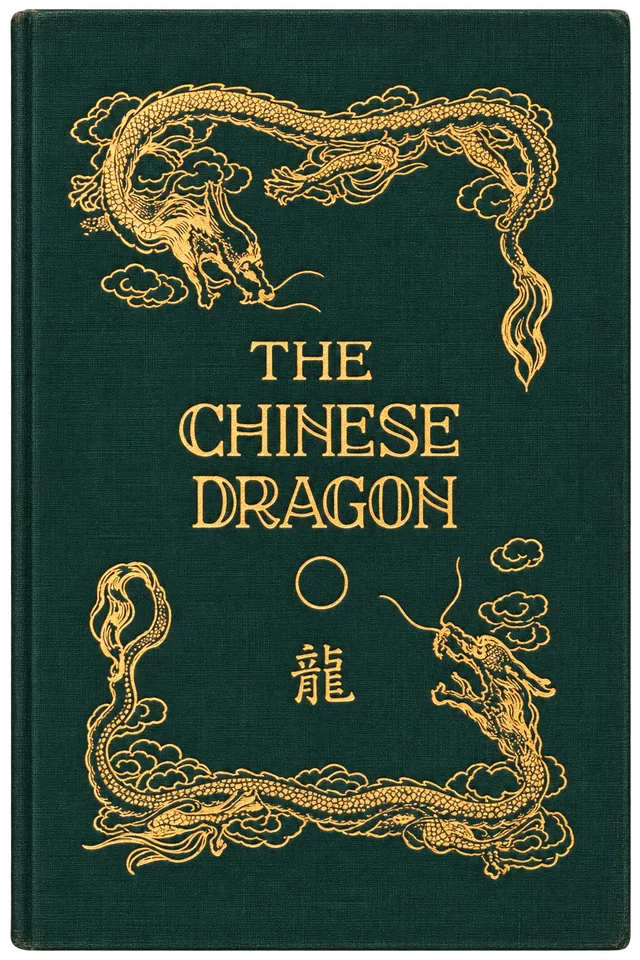
After a period of YMCA work in France, he returned to China in 1921. His books included The Chinese Dragon, first published in 1922, and The Great Wall of China in 1929. He married Frances Gray in 1923; after her death, he married Rhea Pumphrey in 1927. Returning to the United States in 1932, he worked in university administration and museum curation. Yale preserves his Great Wall lantern slides, lecture material and papers. Its biographical account records his death in 1978.
Fourteen years of questions about the dragon
In his preface, Hayes recalls visiting the missionary and educator W. A. P. Martin near Beijing in 1909. Questions about dragons interrupted Martin’s testing of his guest’s classical learning, but neither Martin nor other long-term foreign residents could answer them satisfactorily. Hayes says this prompted a study pursued across ten provinces over fourteen years. Fong F. Sec’s introduction stresses his command of Chinese and direct acquaintance with the country.
The held copy is the third edition, published by the Commercial Press in Shanghai in 1923. Hayes explains that he wrote for the general reader, omitting Chinese characters and extensive scholarly quotation. Chapters discuss the creature’s origins, varieties and appearance, reports of sightings, Western comparisons and beliefs about its influence on human fortune. Photographs and illustrations place dragons on columns, robes, tiles and other objects. This combination makes the book an account of a cultural symbol and the beliefs surrounding it; descriptions of living dragons record what was reported or believed, rather than independently verified zoological discoveries.