Medicine, travel and collecting
Laurence Austine Waddell trained in medicine at Glasgow before joining the Indian Medical Service. During his years in India he studied local languages and travelled through the Himalayan region, researching Buddhist practices. His books on Tibet helped establish his reputation among European readers.
He accompanied the British military expedition to Tibet in 1903–04 and collected manuscripts and objects. His account of the expedition appeared as Lhasa and its Mysteries. In later life he concentrated increasingly on ancient languages and proposed links between Sumer, India and Britain. His surviving papers and books entered institutional collections, including those of the Royal Asiatic Society and the University of Glasgow.
The histories he built from inscriptions
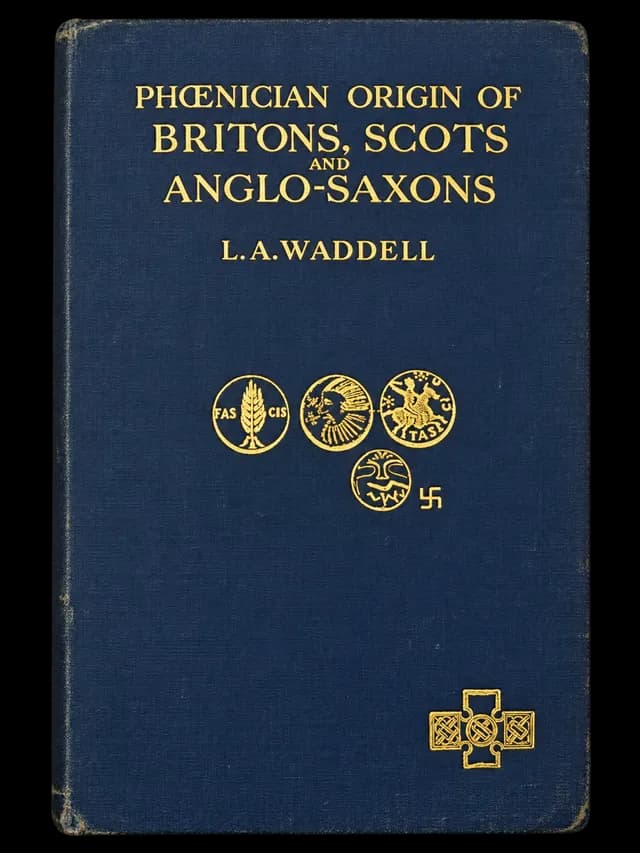
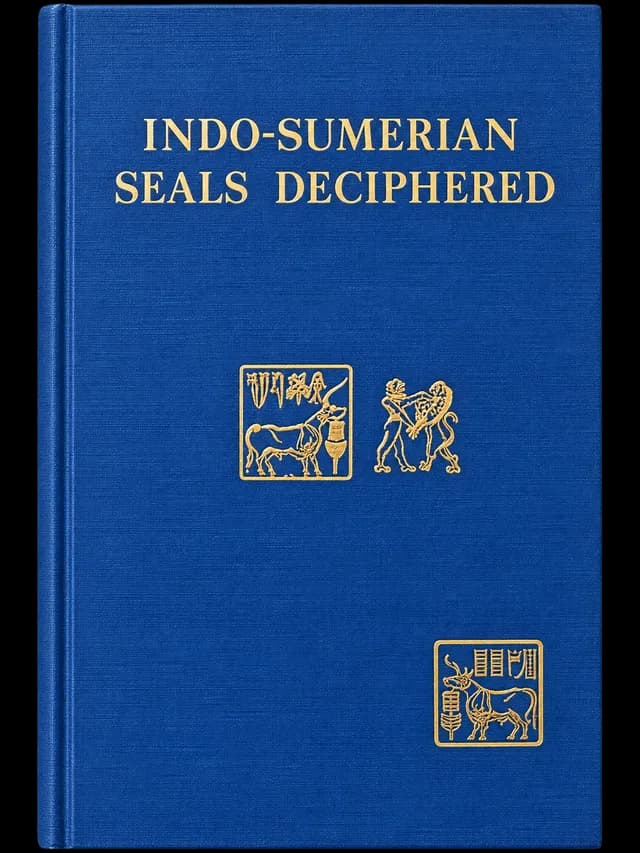
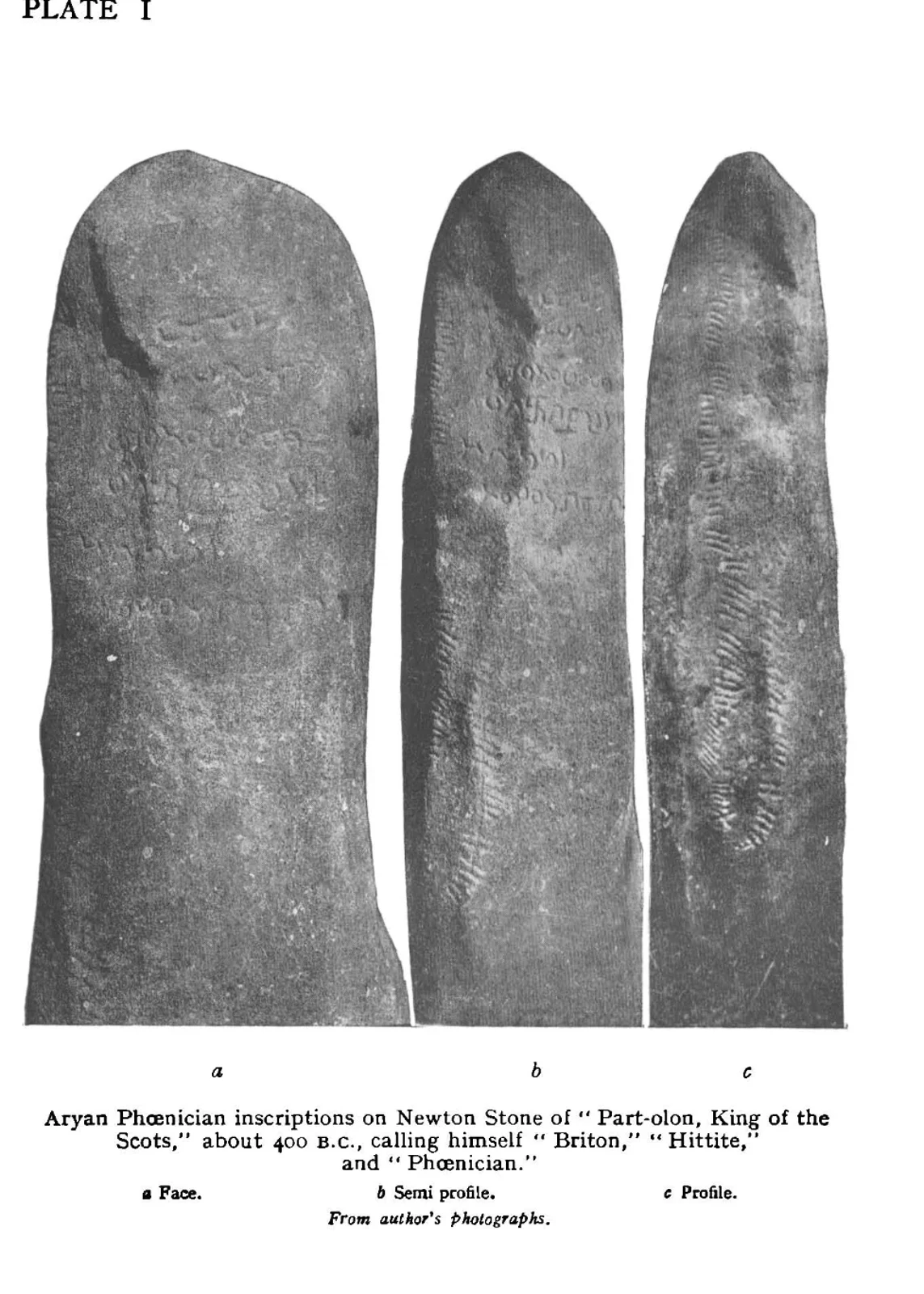
The Phoenician Origin of Britons, Scots & Anglo-Saxons uses the Newton Stone as a starting point for a sweeping account of migration. Waddell assigns readings to its marks and connects them with peoples across considerable distances. The Indo-Sumerian Seals Deciphered extends related arguments to the Indus script. His proposed decipherments and racial hierarchies belong to the speculative scholarship of his period. Their conclusions have gained little academic acceptance. The photographs and drawings let readers examine the objects alongside the steps through which he turns an asserted reading into a history.