Between languages and art
Gibran was born in Bsharri in 1883 and grew up partly in Boston after his mother brought the children to America. He later returned to Beirut for schooling. Back in Boston, his drawings attracted the photographer Fred Holland Day and the educator Mary Haskell. Haskell became a lasting patron and helped support his art studies in Paris.
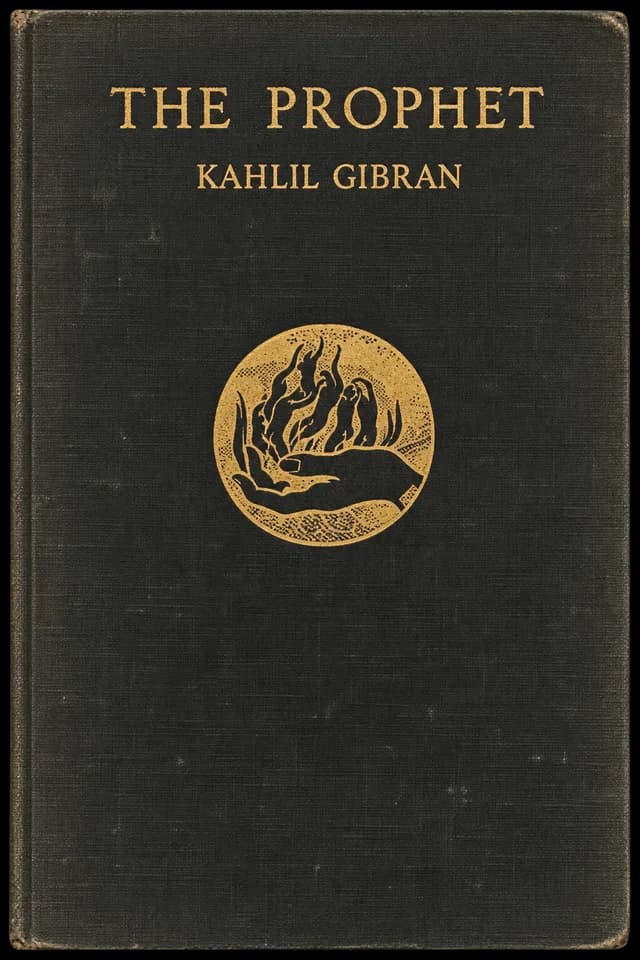
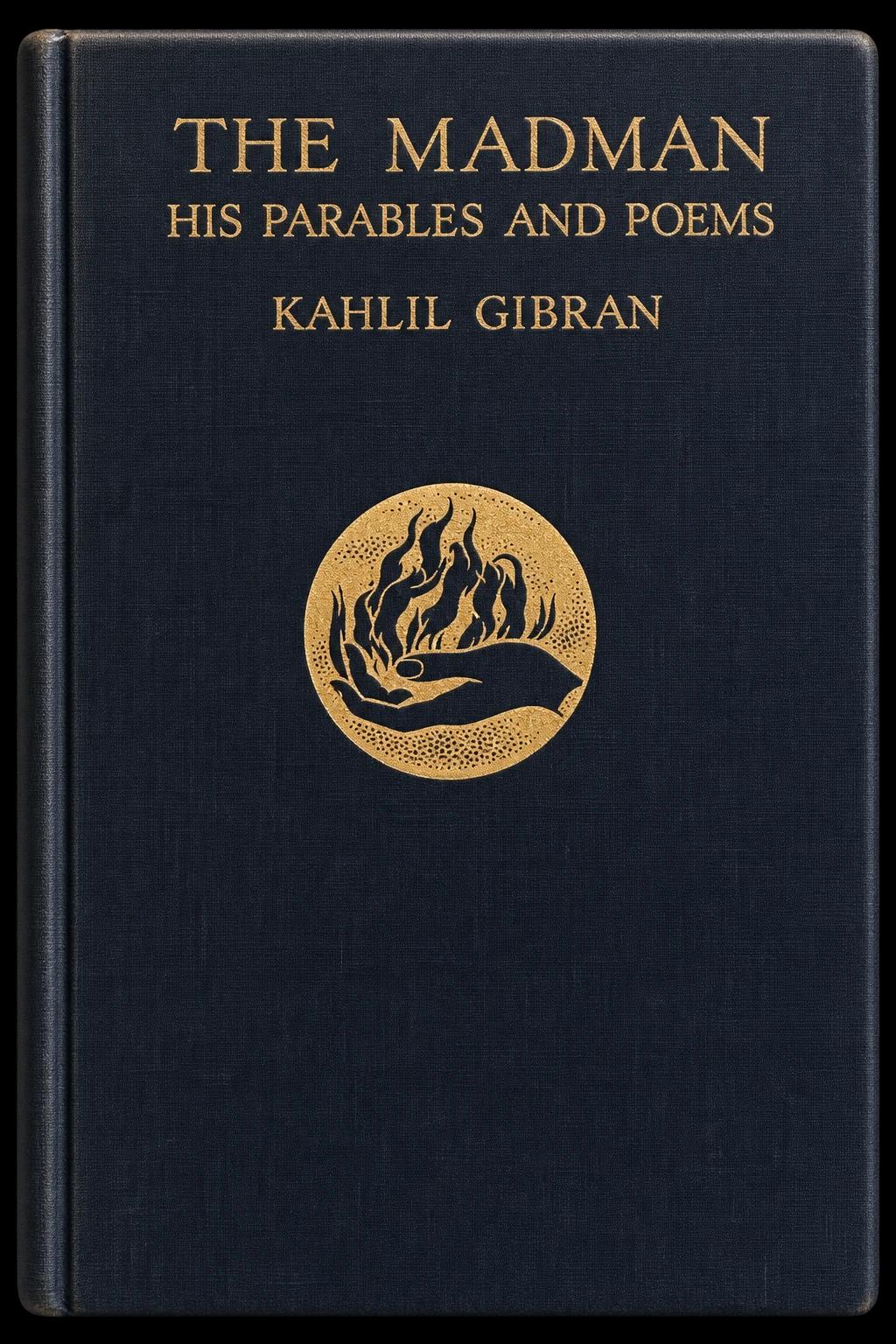
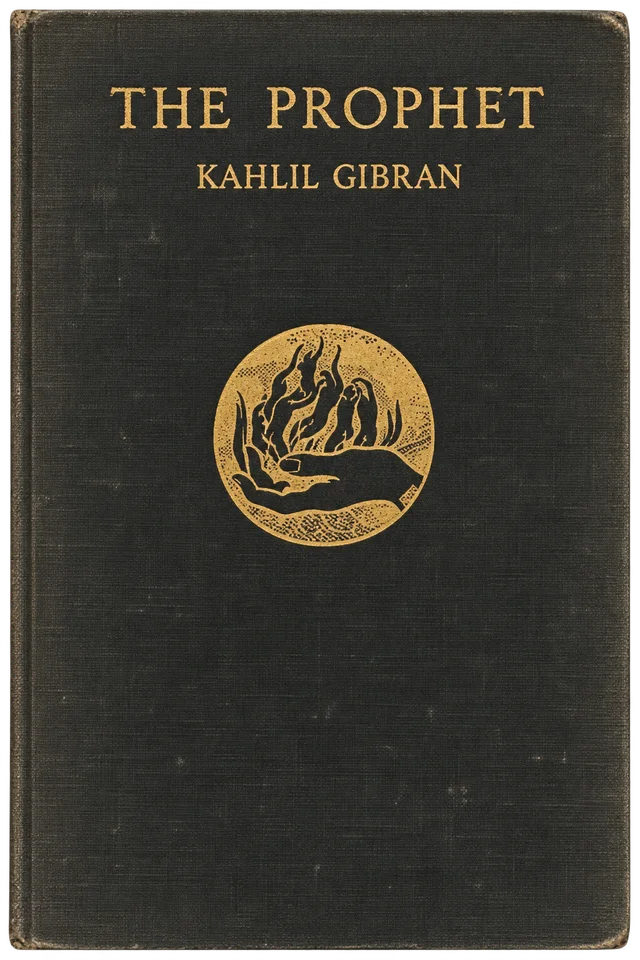
He settled in New York in 1911, continuing to draw and paint while publishing in both languages. He participated in the Arab American literary circle known as the Pen League. The Madman appeared in English in 1918, followed by The Prophet in 1923. Princeton’s collection of manuscripts preserves revisions to both books, showing the work that shaped their apparently direct voices.
A departure and a collection of parables
Almustafa, the speaker in The Prophet, has spent twelve years in Orphalese when a ship arrives to take him home. Before he leaves, the people ask him questions, and his answers arise from that gathering. Gibran supplied the book’s illustrations as well as its prose. The Madman uses shorter parables and poems, with speakers who can be ironic, guarded or uncertain. In My Friend, a speaker addresses another person intimately while insisting that his inward life remains concealed. The address makes closeness and distance part of the same encounter. Lumitheca’s illustrated Prophet is a 1948 printing.