A clergyman in political and literary life
Swift was born in Dublin in 1667 and educated at Kilkenny School and Trinity College. Work as secretary to Sir William Temple at Moor Park introduced him to a substantial library and literary editing. Ordained in the Church of Ireland in 1695, he combined clerical employment with increasingly influential satire, including A Tale of a Tub.
London political work made him a leading Tory pamphleteer before his appointment as Dean of St Patrick’s in 1713. Back in Ireland, the Drapier’s Letters challenged a proposed copper coinage, while A Modest Proposal attacked the treatment of poverty through savage irony. Gulliver’s Travels appeared in 1726. Swift died in 1745, leaving money to establish St Patrick’s Hospital. His public writing and ecclesiastical duties remained intertwined.
A traveller measured by two societies
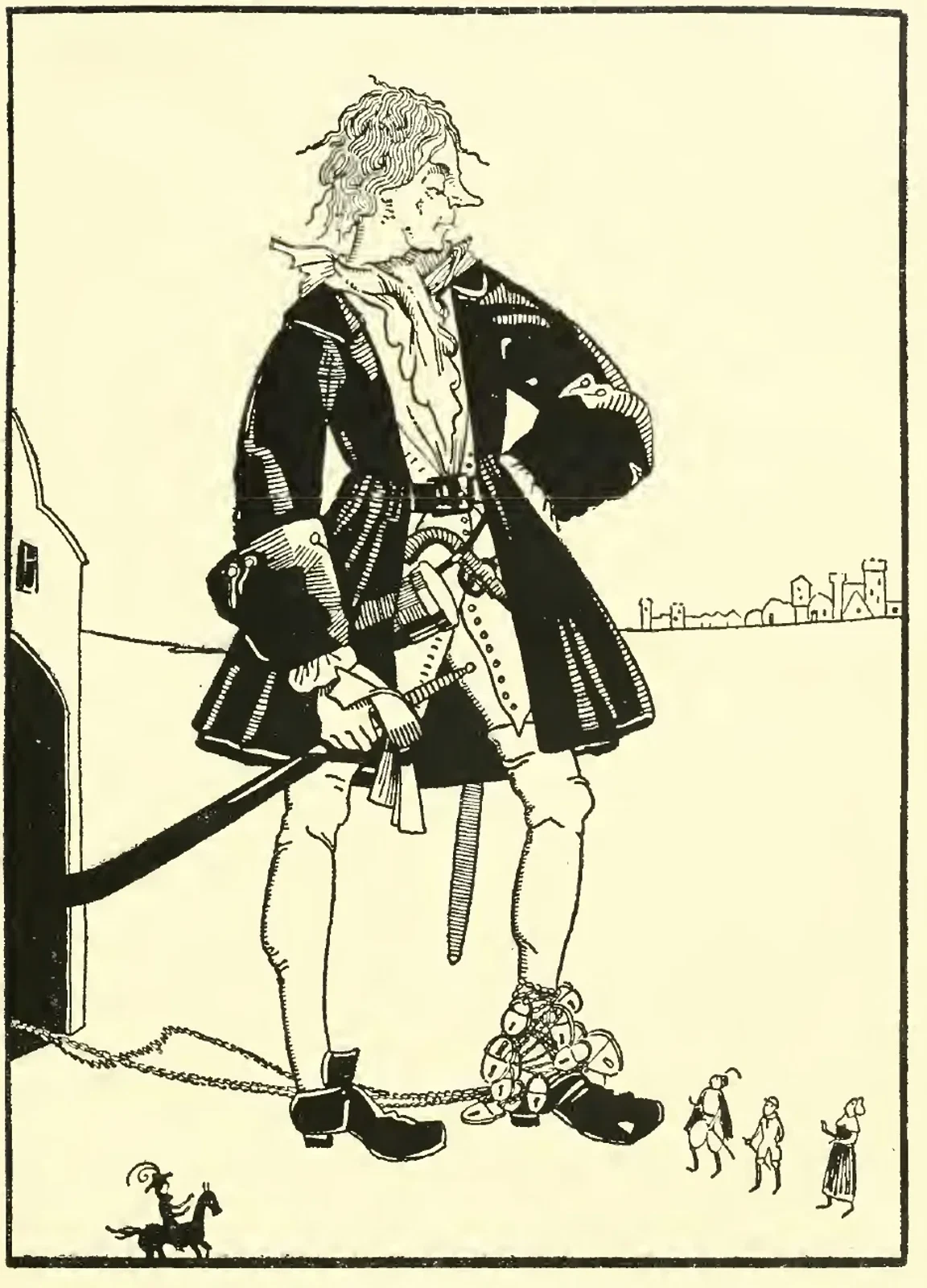
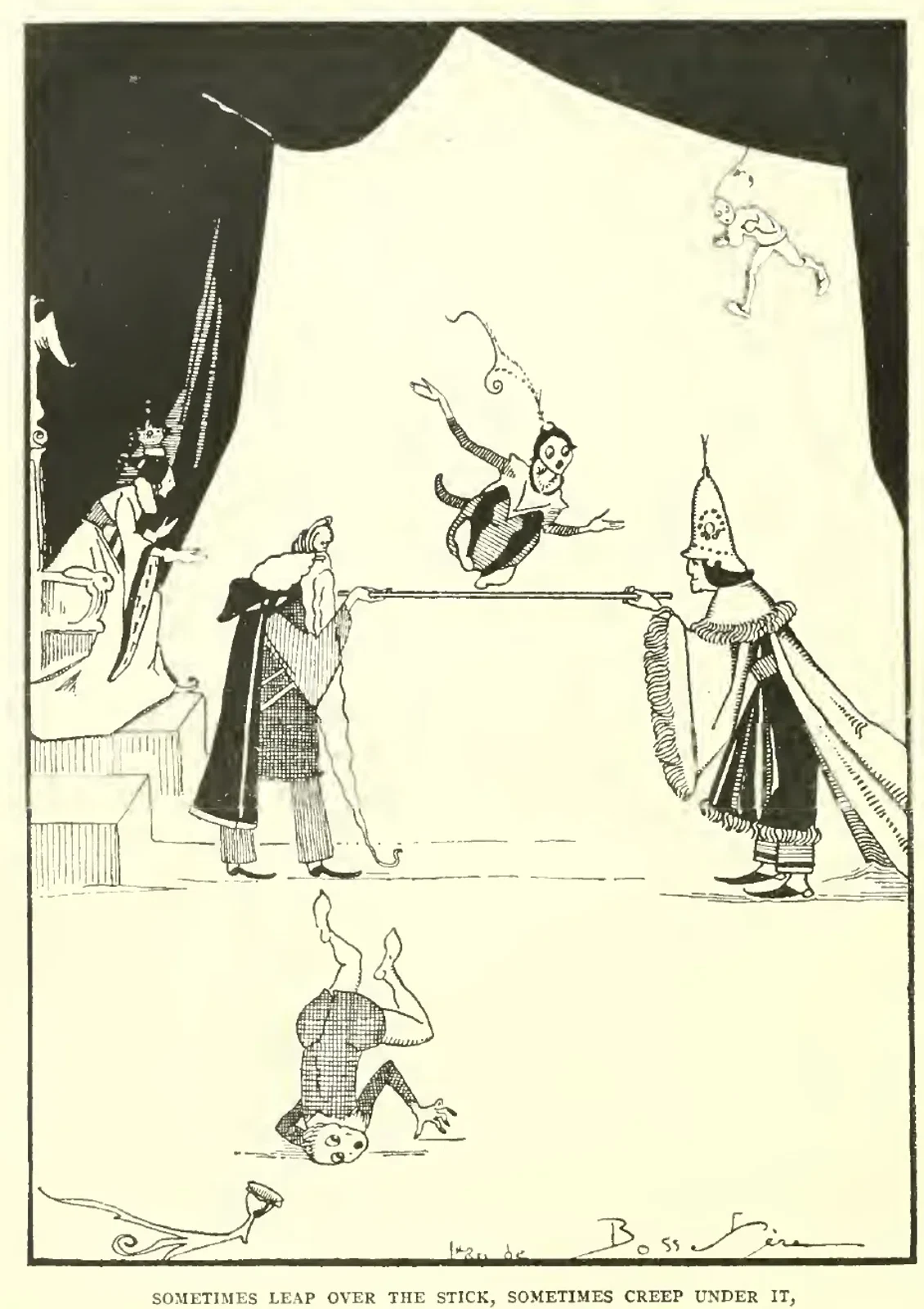
The held Gulliver’s Travels into Lilliput and Brobdingnag contains the first two voyages of the four-part work. The undated Dodd, Mead and Heinemann title credits Jean de Bosschère with its illustrations. This selection pairs two opposite changes in the traveller’s bodily scale.
In Lilliput, an official inventory of Gulliver’s belongings describes details accurately while misunderstanding their purpose. A snuffbox becomes an unexplained chamber and its dust a cause of sneezing. The report’s orderly form lends authority to a mistaken account. Brobdingnag reverses Gulliver’s physical position: he must endure a world in which he is unusually small. Swift makes those changes disturb claims to mastery and importance, including the assumptions Gulliver brings from home.