From stone carving to sculpture and teaching
Hartley was born in Albany, New York, in 1845. As a teenager he carved tombstones before the sculptor Erastus Dow Palmer took him as an apprentice. Two years in Palmer’s studio developed his knowledge of carving and anatomy. He later studied at the Royal Academy in London, supporting himself by cutting marble.
Travel to Berlin, Paris and Rome preceded his establishment of a New York studio. He founded a sketch group that became the Salmagundi Club and helped establish the Art Students League, where he taught anatomy. His work in marble and bronze included monuments, reliefs and portrait busts. This combination of practical sculpture, shared studio culture and teaching gives the setting for his book. He died in New York City in 1912.
Anatomy returning to the visible surface
Anatomy in Art appeared in 1891. Its preface relates the volume to Hartley’s early lectures at the Art Students League, while its title places anatomy alongside modelling and proportion. The course is organised around the artist’s practical needs.
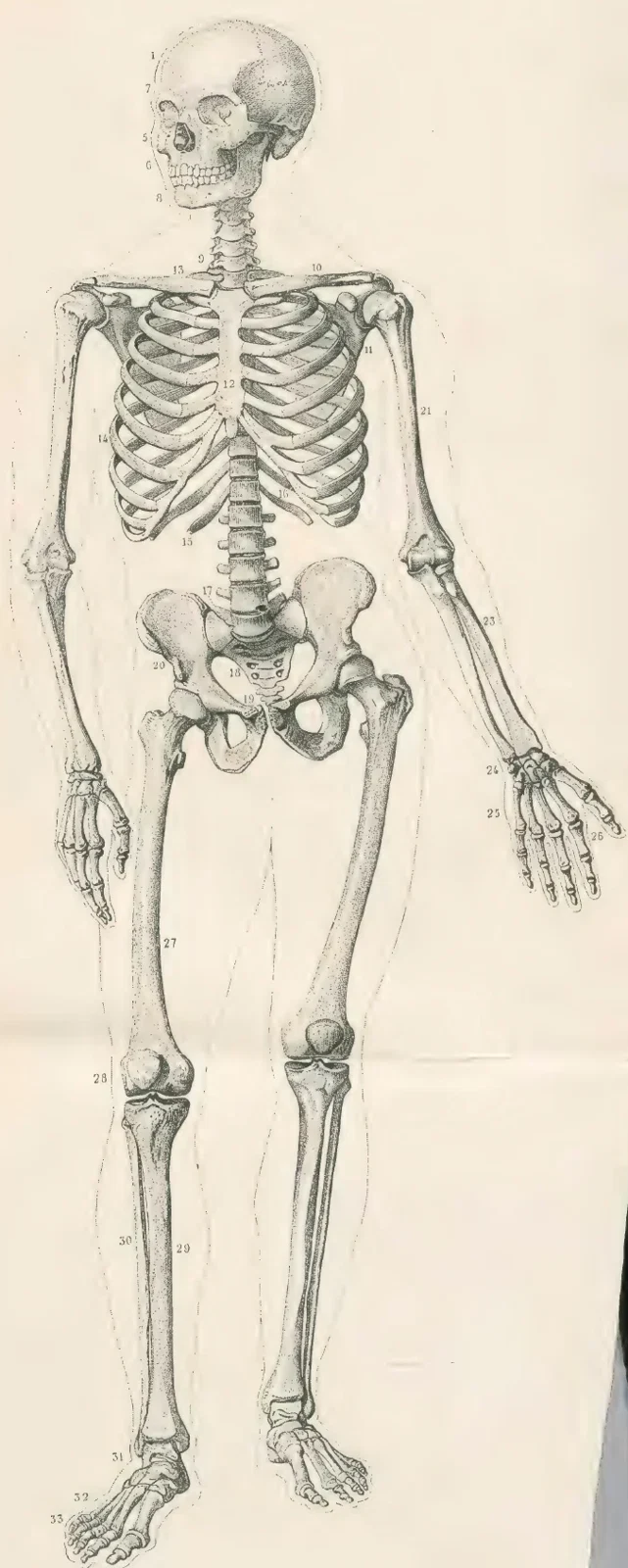
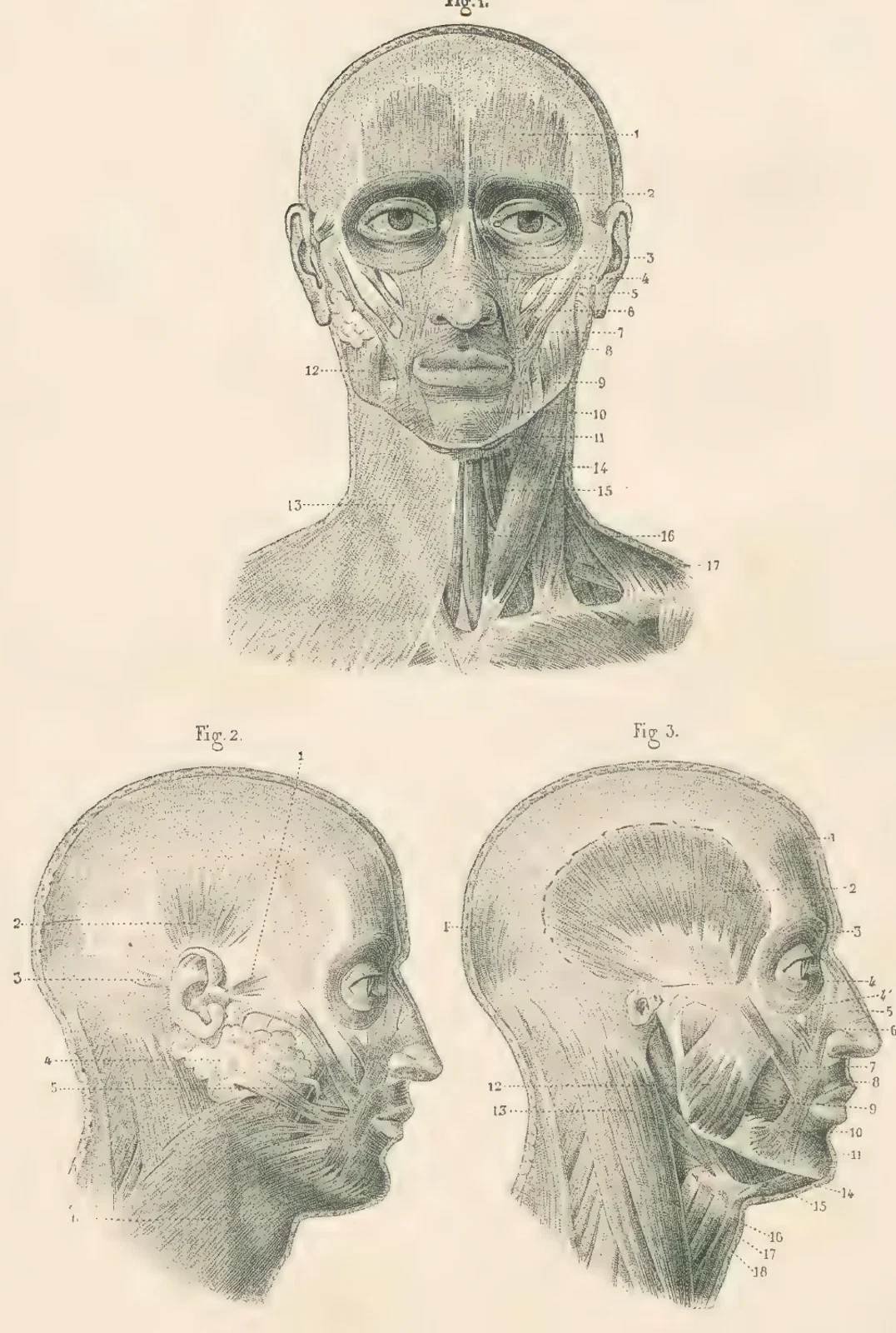
Hartley argues that studying hidden structures without reference to the living surface has limited artistic value. Drawing or modelling the figure first gives a reason for examining the construction beneath it. The account then moves through skeleton, muscles, bodily regions and proportion. Illustrations borrowed from Fau’s anatomy and Schadow’s work on proportion accompany photographic reproductions, as the preface acknowledges. Hartley’s contribution lies in this teaching and organisation as well as the text; the earlier pictures retain their own makers.