Poetry, editing and literary friendships
Bishop was born in Charles Town, West Virginia, in 1892. Illness delayed his entry to Princeton until 1913. There his poetry and work on the Nassau Literary Magazine brought him into contact with Edmund Wilson and F. Scott Fitzgerald. Green Fruit appeared in 1917, the year he graduated.
Army service in Europe was followed by work at Vanity Fair, where he became managing editor. After his marriage in 1922 he spent long periods in France, forming friendships with Allen Tate and Archibald MacLeish. He returned to the United States in 1933. Many Thousands Gone drew fiction from a transformed version of his native town, while essays and reviews made criticism a substantial part of his career. He died in Massachusetts in 1944.
Individual voices within a funeral garland
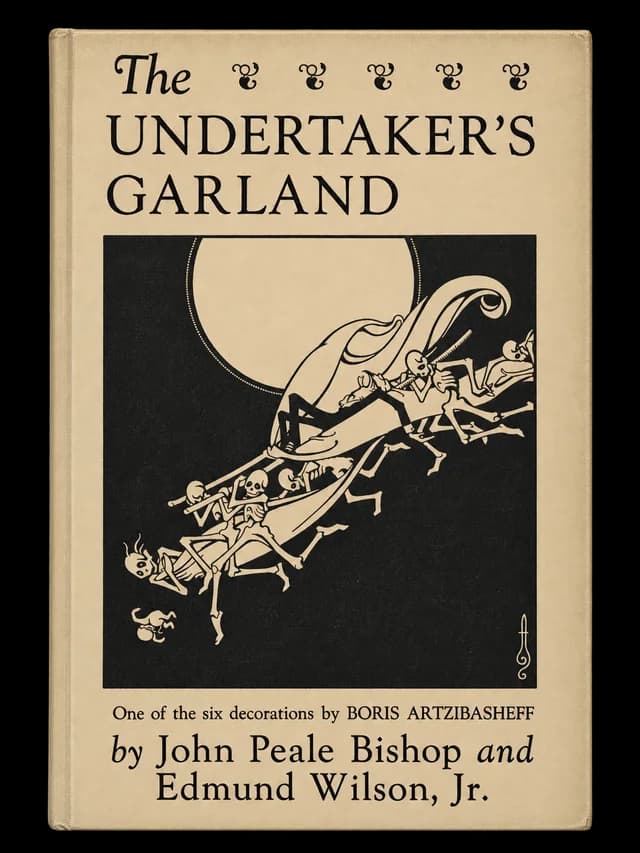
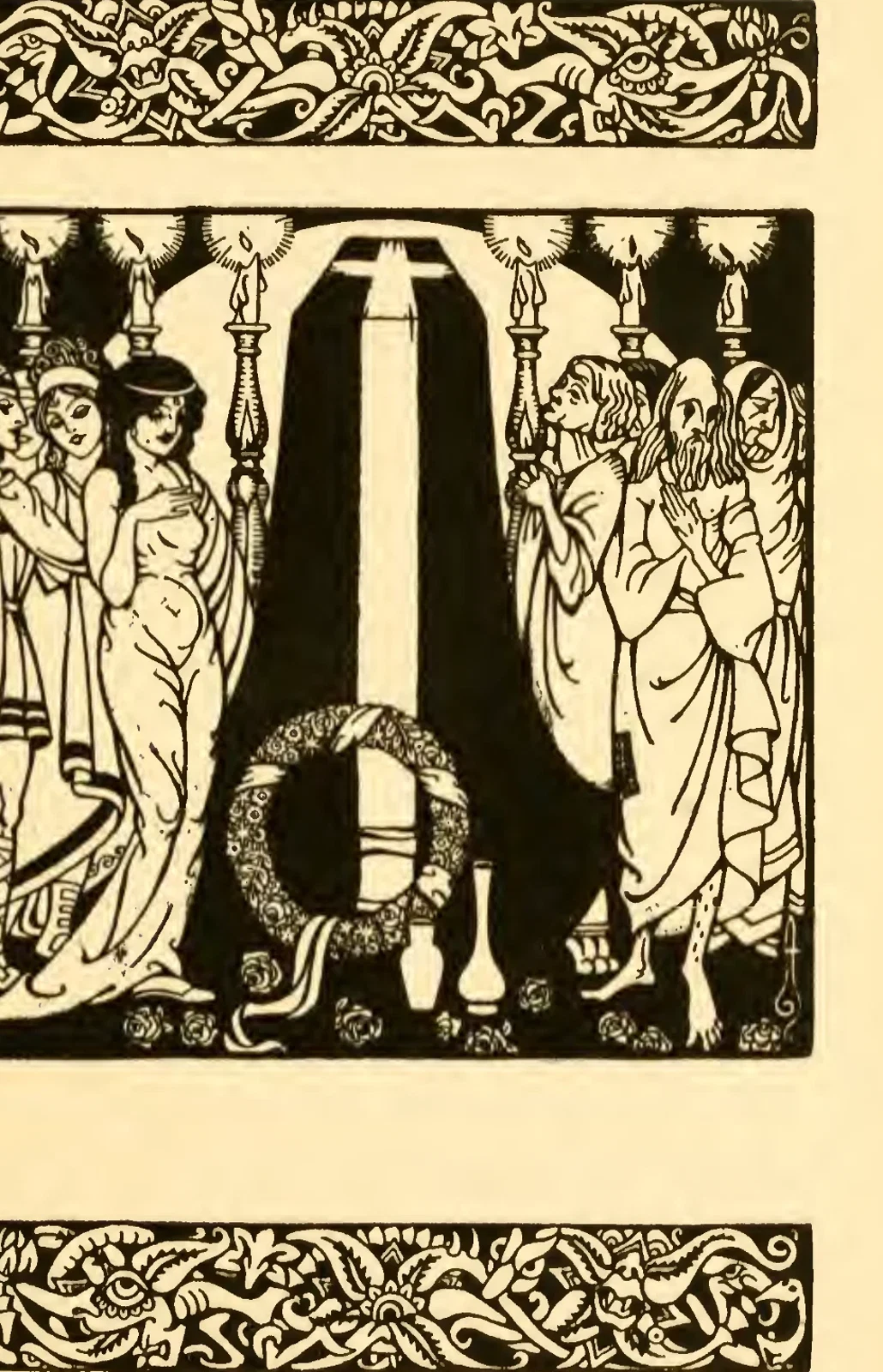
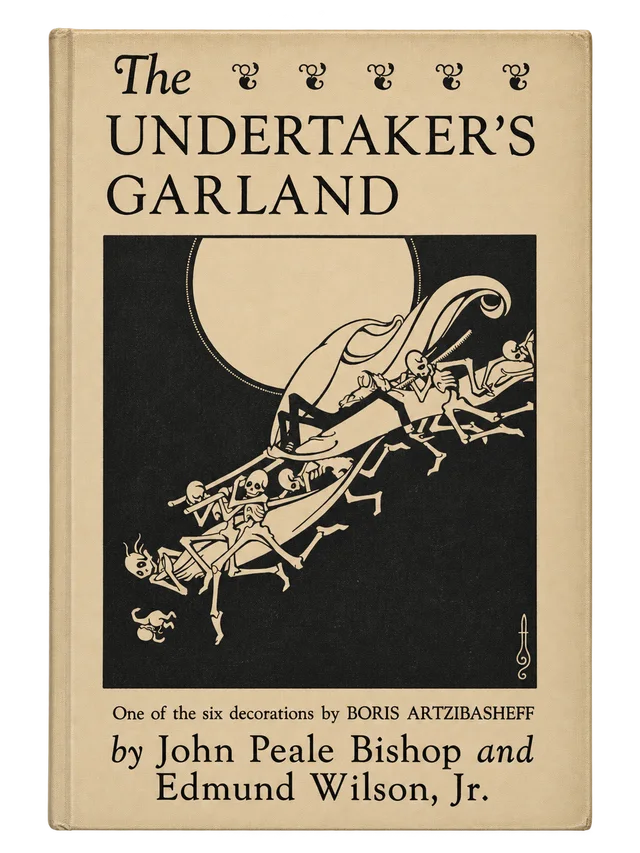
The retained Undertaker’s Garland was published by Knopf in 1922. Its contribution list distinguishes Bishop’s work from Wilson’s, and the decorations are separately credited to Boris Artzybasheff. Bishop’s titles include Lucifer, The Death of a Dandy, The Death of God and Resurrection.
The opening Lucifer prologue changes the meaning of a radiant appearance through the identity it reveals. Elsewhere, funeral forms encompass sacred figures and social types without making them equivalent. Resurrection places a soldier’s confinement among graves against an intense desire for ordinary movement and life. Such bodily appetite complicates the book’s sombre ceremonies. The collection’s coherence comes from recurring preoccupations and visual design, while its printed credits retain the differences between its writers.