Life and career
Before John Ballou Newbrough became the founder of a religious community, he followed gold rushes to California and Australia and made his living as a dentist. In New York he became a trustee of the New York Spiritualist Association. He believed that the dead could communicate through living people and devoted years to what he regarded as preparation for receiving such communications himself.
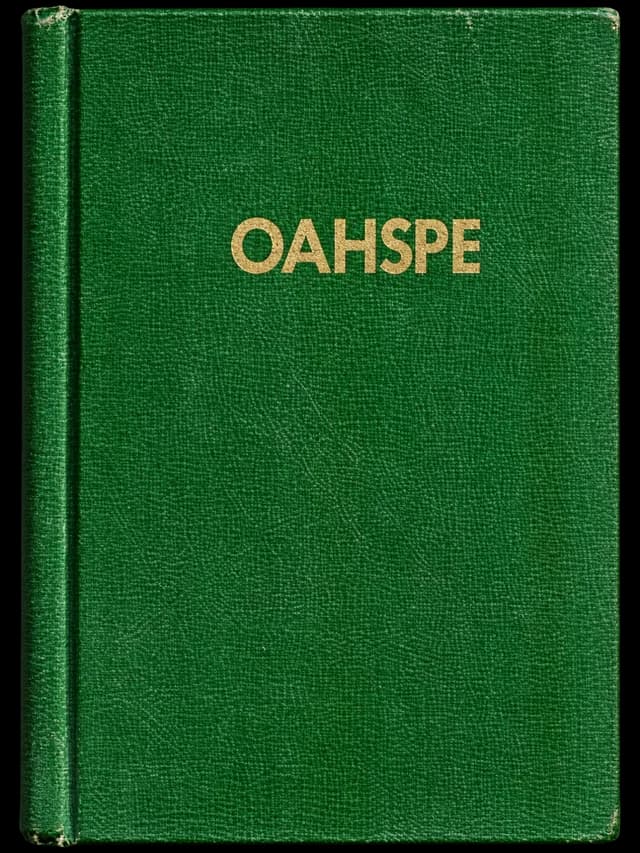
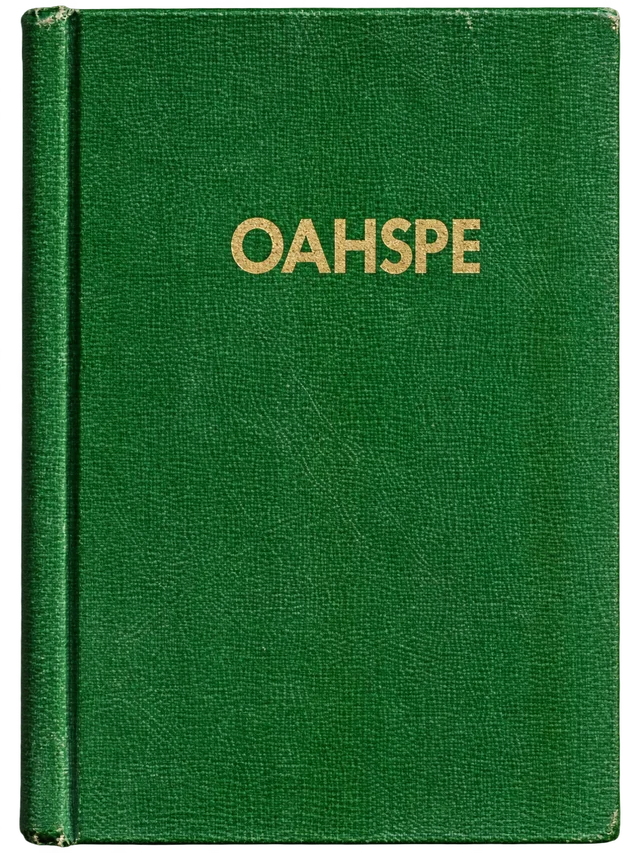
A typewriter became central to his account of that preparation. Newbrough said that he had risen before daylight and allowed unseen intelligences to direct his hands over the keys. In 1882 he published the result as Oahspe. The following year he organised the Faithists of the Seed of Abraham, giving readers a way to act together on the obligations set out in the book.
Work and ideas
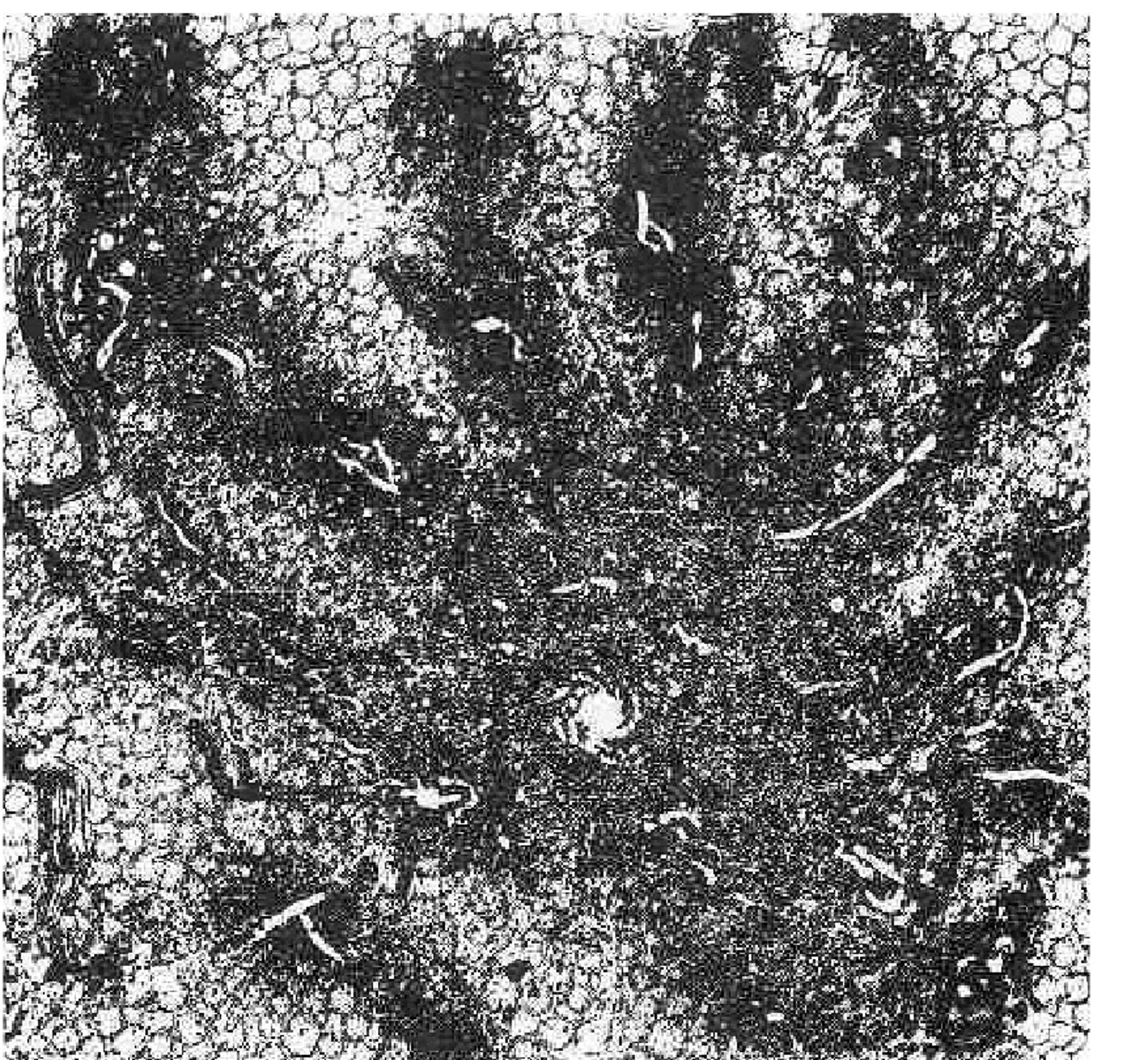
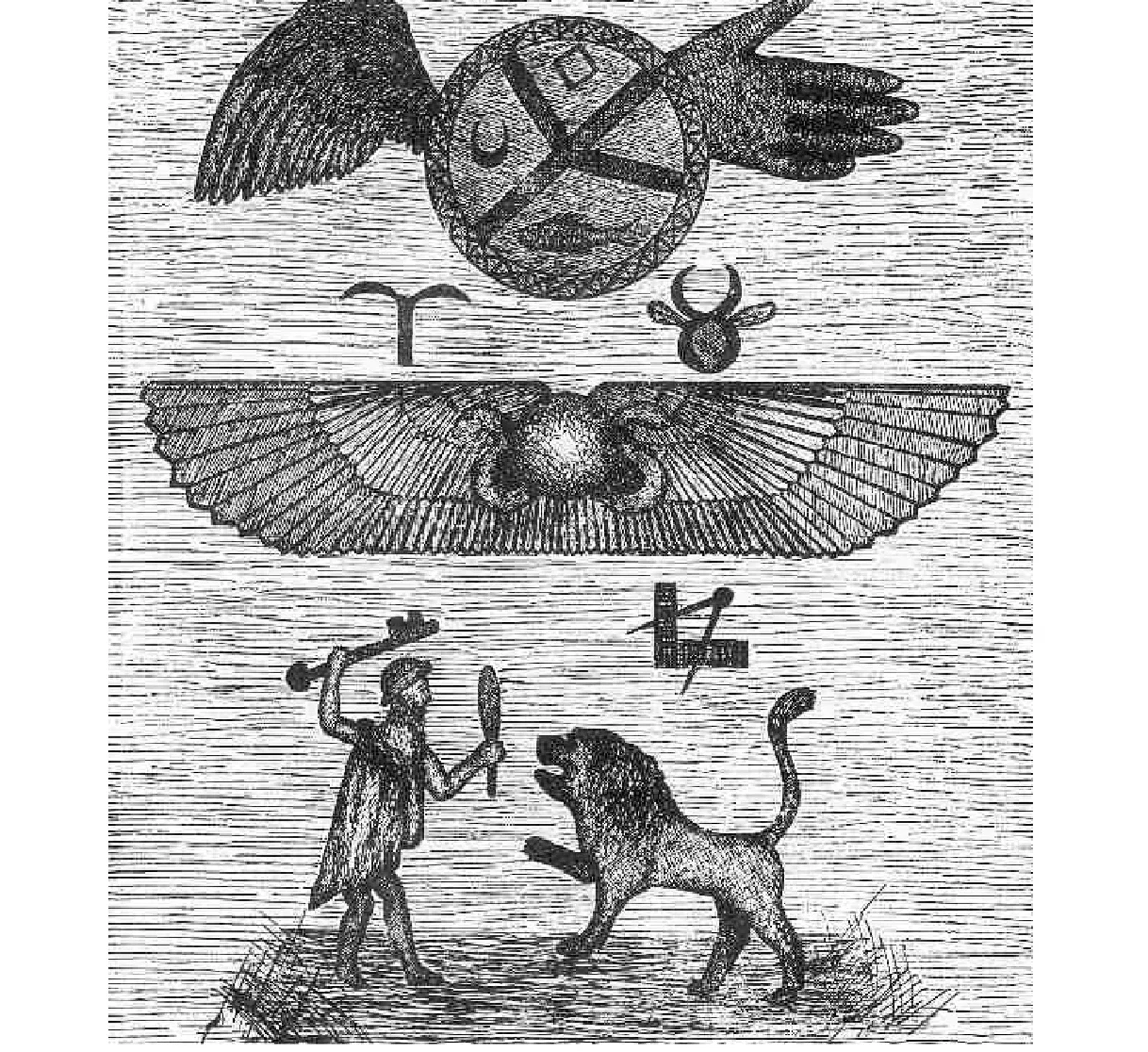
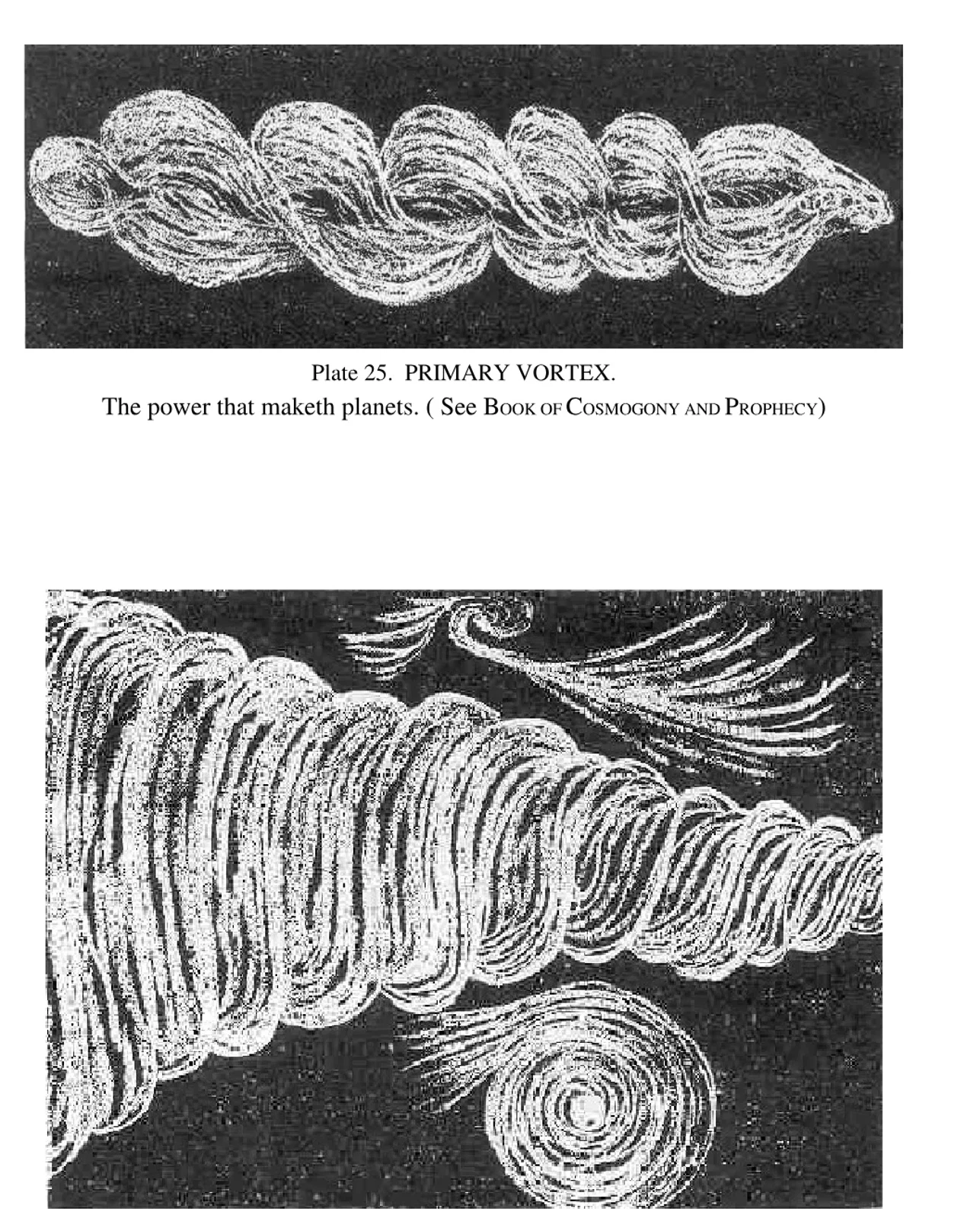
Oahspe offered its readers a sacred history extending far beyond the biblical chronology they knew. Earthly civilisations and generations of angelic beings appear within the same account of divine government. Its diagrams and distinctive vocabulary gave the volume the appearance of an entire religious literature gathered within one binding. Newbrough presented himself as the means by which this history reached print.
Shalam, established in the Mesilla Valley of New Mexico, was the most demanding practical consequence of the book. Members tried to provide a communal home for children and sustain it by their own labour. The experiment depended on financial backing from Andrew Howland and on the people who cared for the children through illness and material hardship. Newbrough died in 1891 during an influenza outbreak. The settlement continued after his death.