Life and career
Coates’s career took shape on a public platform. In his account of performances at Rothesay in 1881, members of the audience sent up requests for descriptions of distant homes. A clairvoyant supplied the descriptions, and the people who knew the houses judged the answers. Years later Coates was still citing these evenings in his writing about what he called thought-reading.
There was also a much more private side to his Spiritualism. In a 1919 account, Coates said that he and his wife had investigated together with a small circle of friends for about thirty years. After her death, the question became a personal one: could he recognise a communication from the person with whom he had investigated such claims? He later addressed the London Spiritualist Alliance about his experiences.
Work and ideas
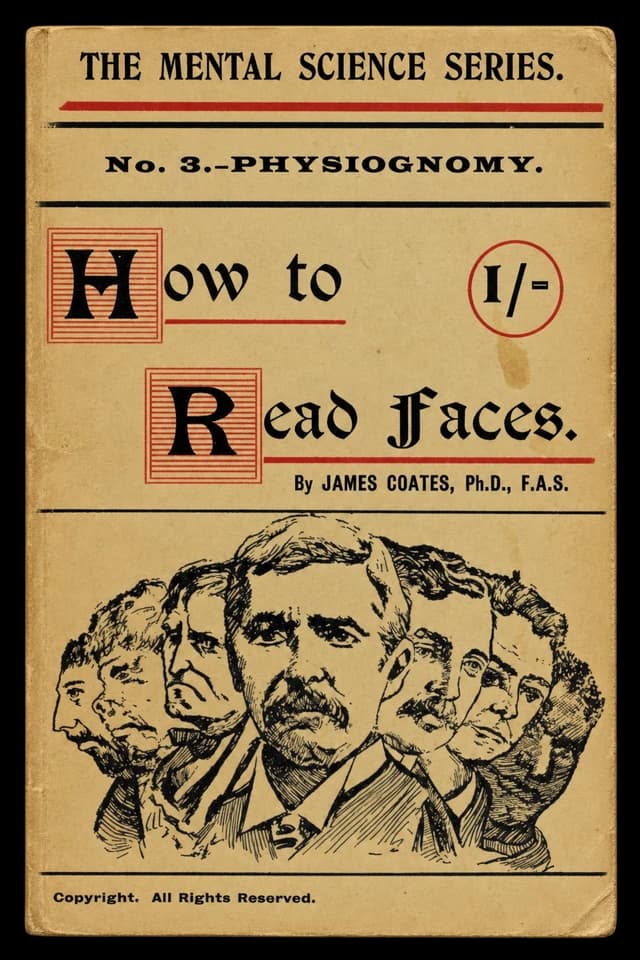
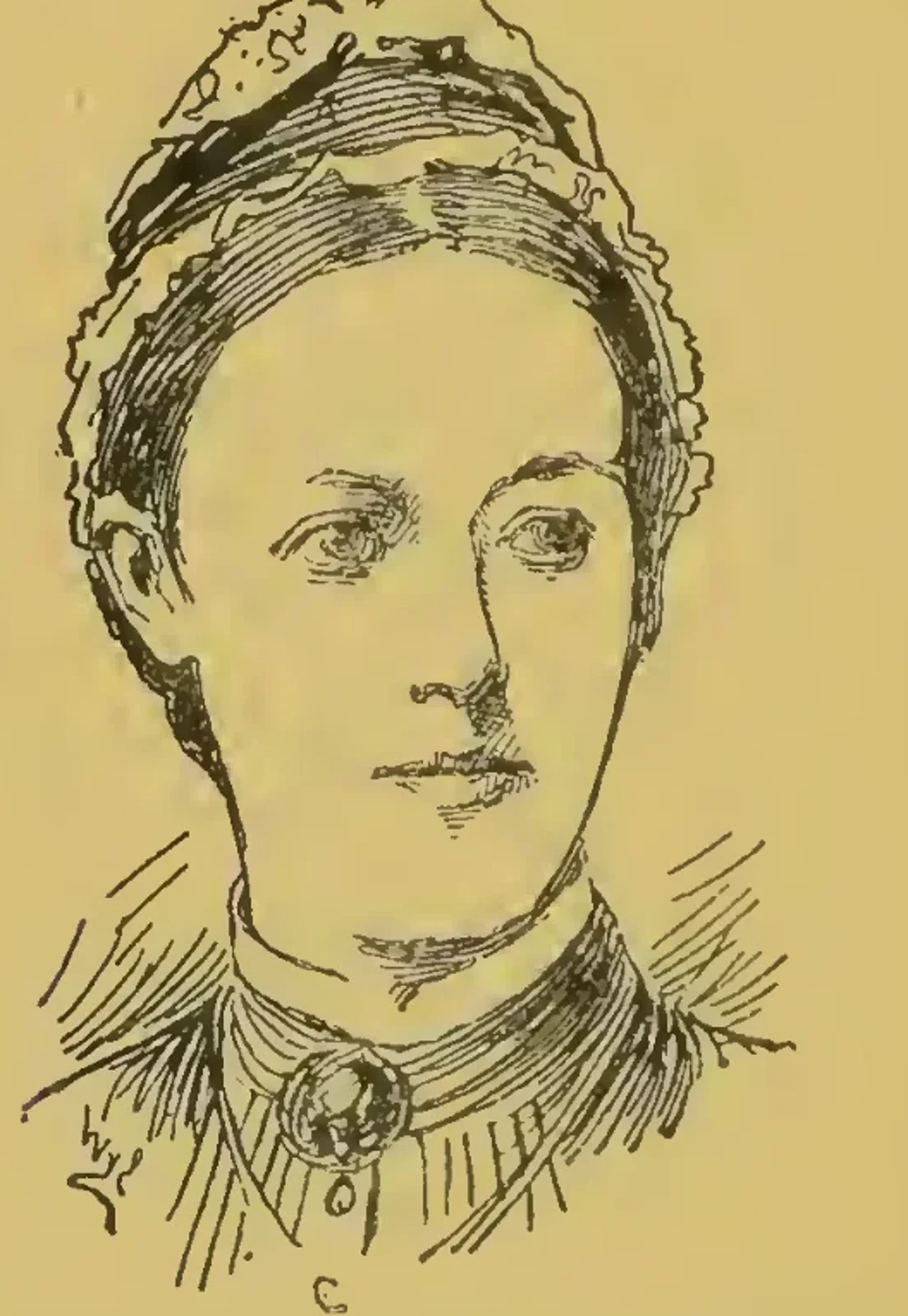
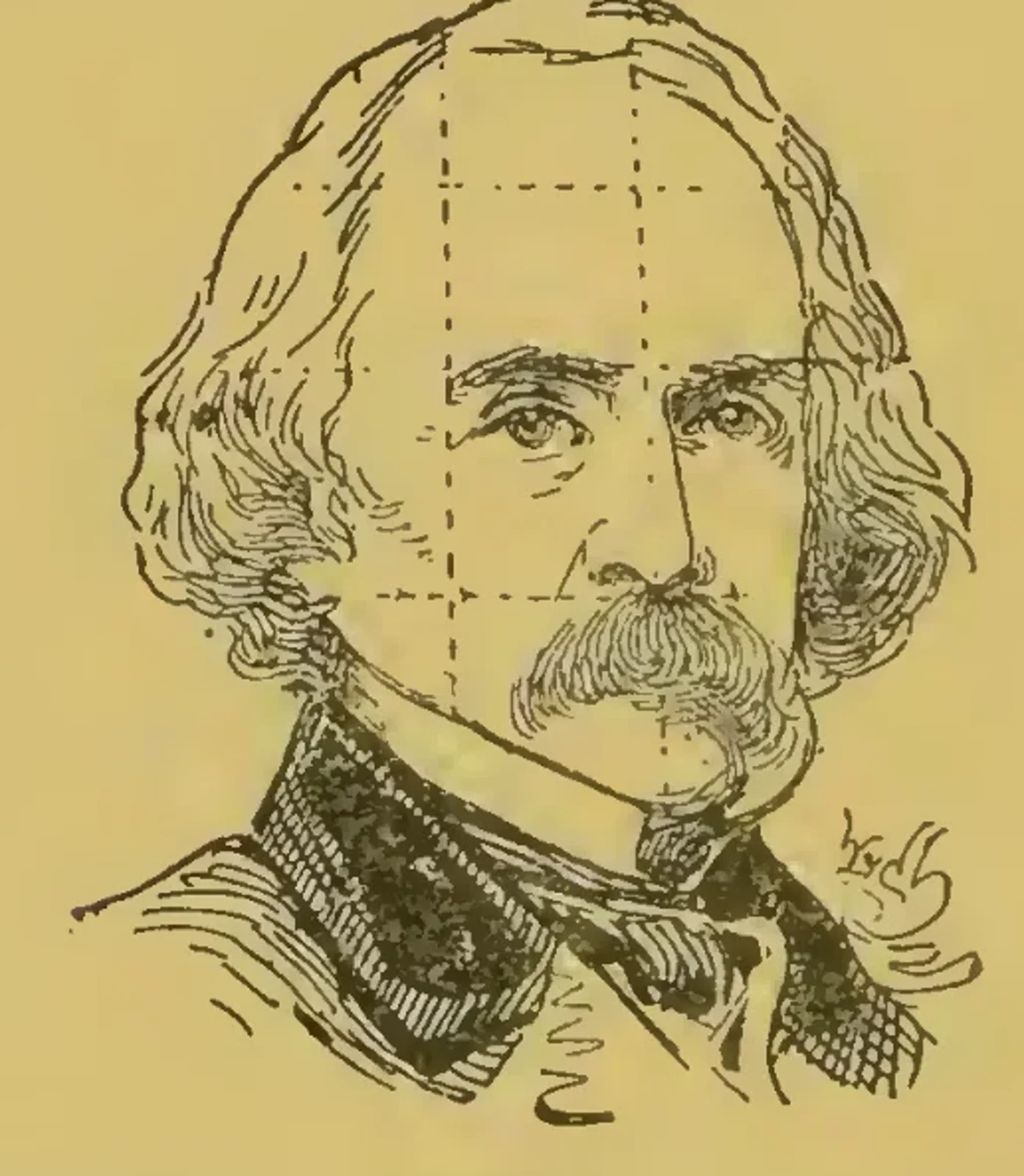
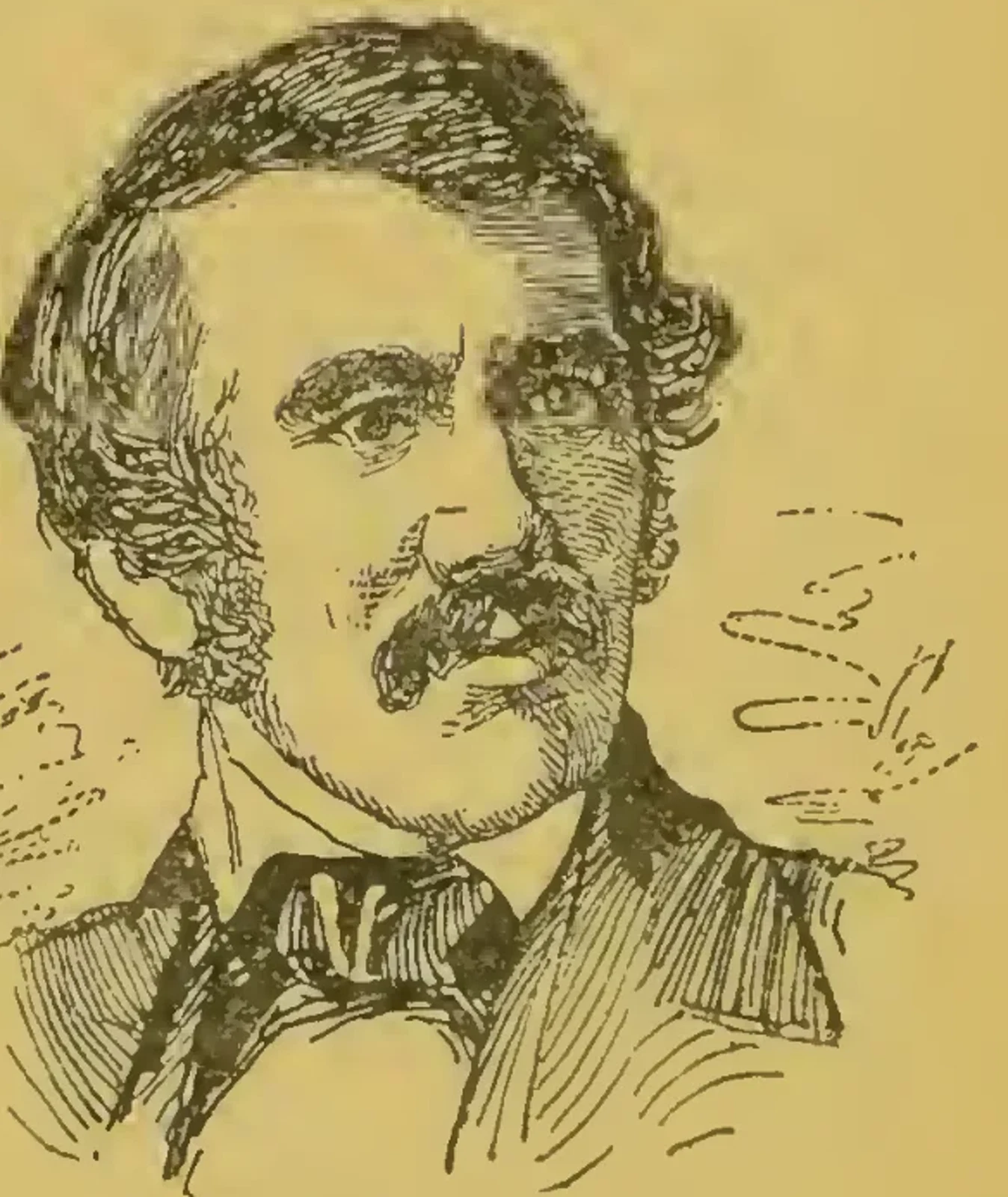
Two of his books show how widely he interpreted the idea of evidence. How to Read Faces printed named portraits, among them the physician Mary Scharlieb and the writer Nathaniel Hawthorne. Coates invited readers to infer character from appearance. Physiognomy had no reliable basis for those judgments, but the portraits show how he presented it as a skill that could be taught.
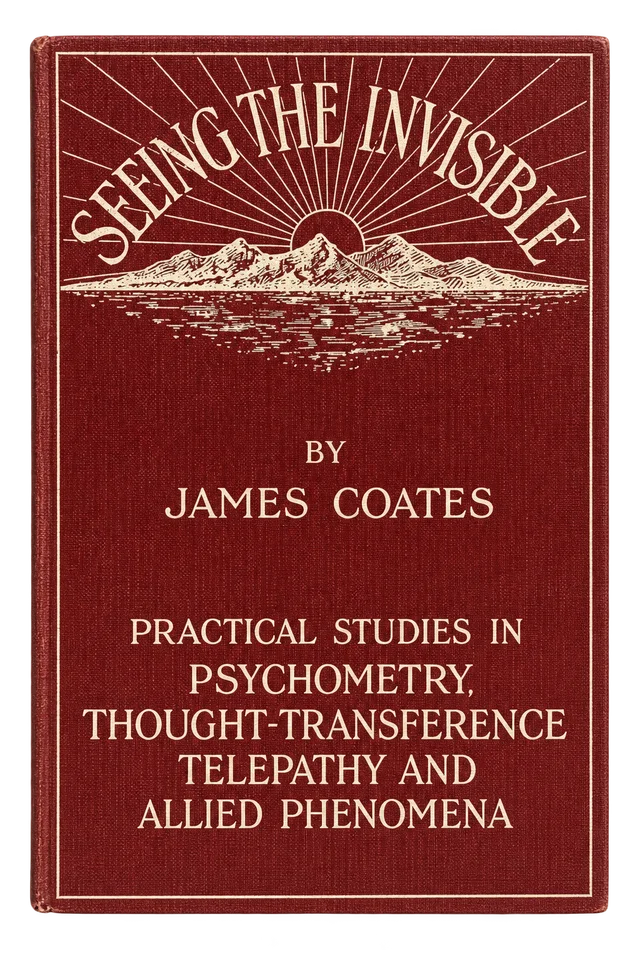
Seeing the Invisible turned to the claims of psychometry, in which a person handled an object and described its supposed history. Coates also collected accounts of psychic photography. He signed the preface of Photographing the Invisible in Rothesay in 1911, three decades after the public demonstrations he remembered there.