Life and career
James Churchward grew up in Devon and later settled in the United States. Biographical accounts give 1851 as his birth year, while the Smithsonian’s catalogue gives 1852. His activities in New York are better documented. Before he wrote about a lost continent, he wrote about fishing in the Thousand Islands, drawing on his familiarity with the waters of the St Lawrence and the practical problems facing an angler there.
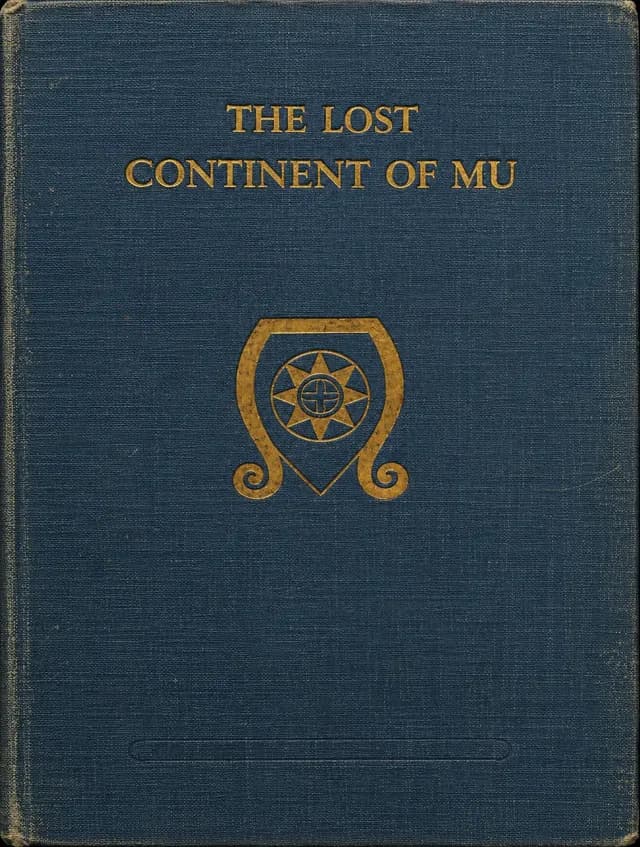
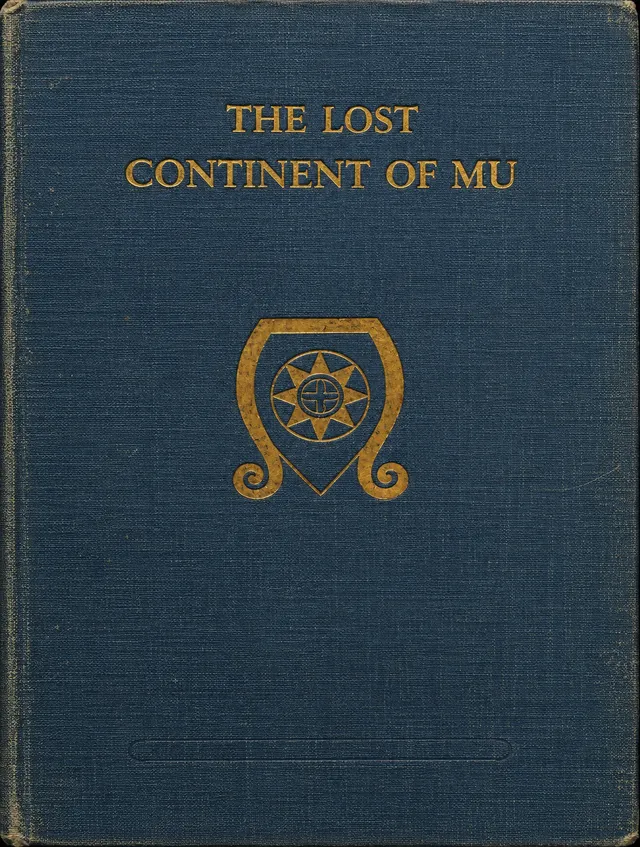
He also worked on alloys. Early twentieth-century issues of the Engineering and Mining Journal list steel patents in his name. By the time The Lost Continent of Mu appeared in 1926, he was an older man making a public claim about a quite different subject. He continued to publish books elaborating the history, beliefs and supposed descendants of Mu until shortly before his death in 1936.
Work and ideas
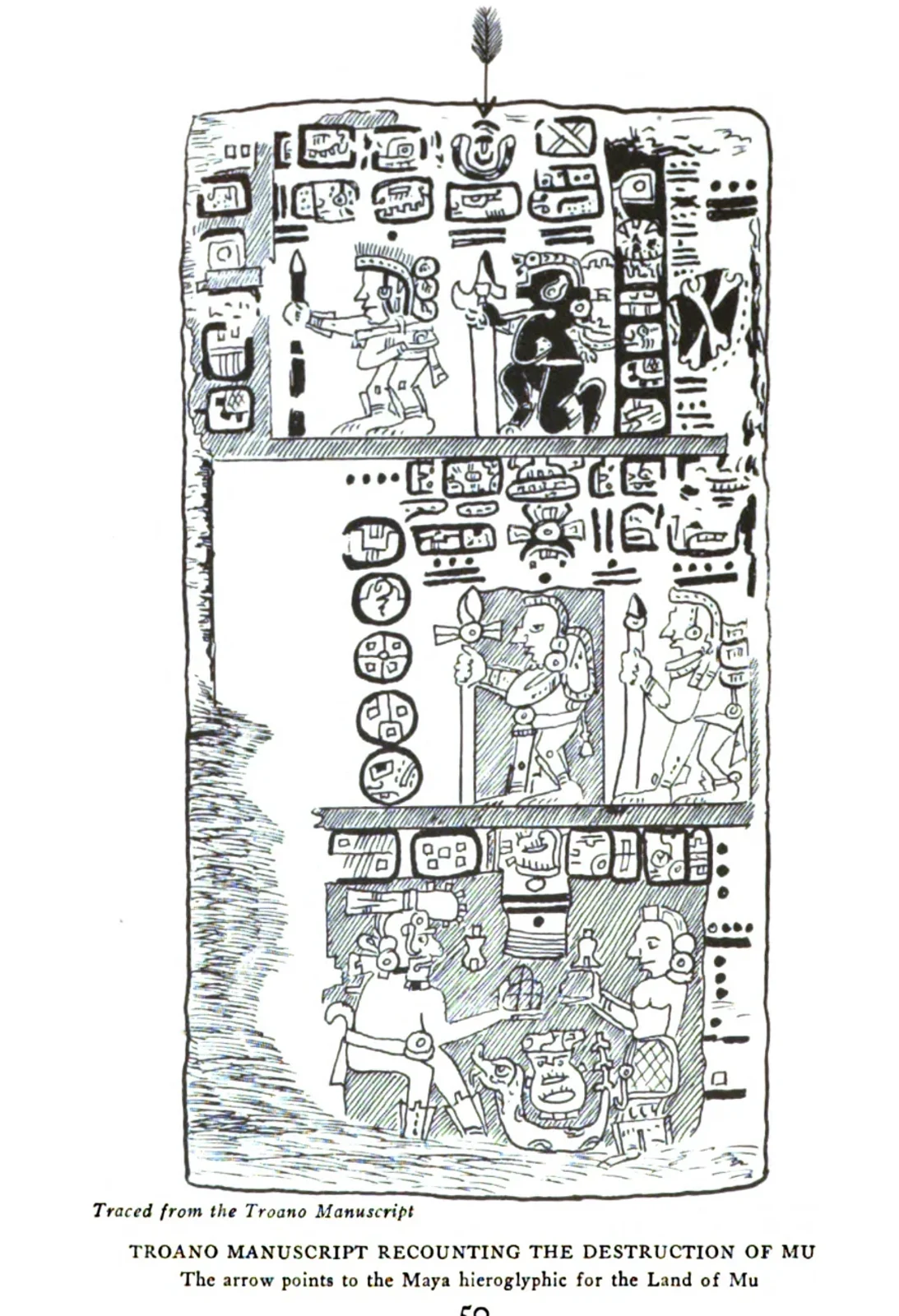
Churchward said that a priest in India had helped him read ancient tablets recording the destruction of a Pacific civilisation. He subsequently interpreted objects and drawings from Mexico as traces of the same people. The Indian tablets are known through his account, and modern geology and archaeology do not support the existence of the continent he described.
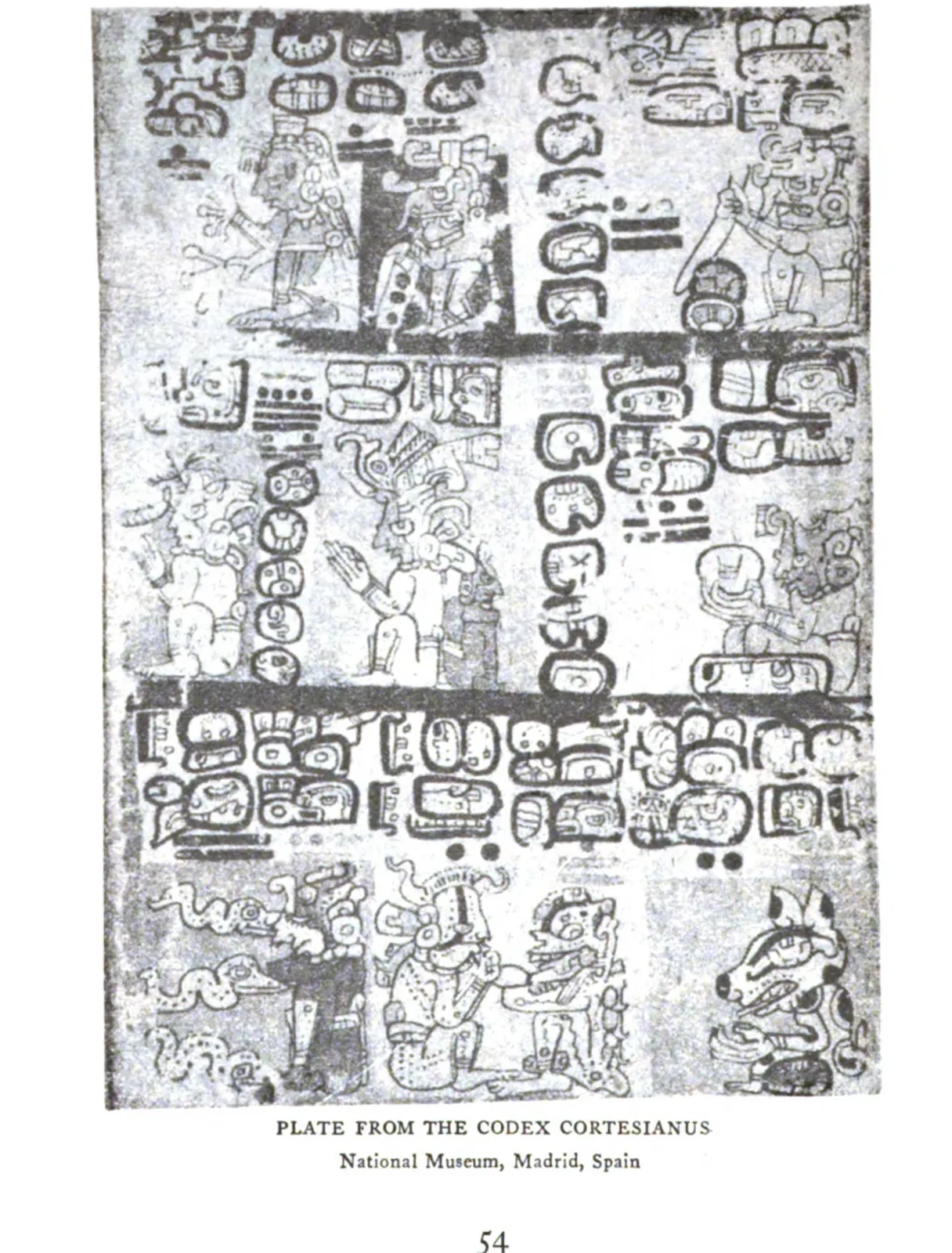
Maps and line drawings were essential to his presentation. By placing signs from different regions side by side he invited readers to see resemblance as evidence of a common origin. Later volumes expanded this method into a history of religious symbolism and migration. These books found an audience in a long tradition of speculation about Atlantis and other lost lands.