Collection, poetry and a clerical vocation
Moe grew up on the family farm in Hole, Ringerike, where local memories and traditions later entered his writing. He met Peter Christen Asbjørnsen while preparing for university. Theology offered a livelihood, but poetry and folk traditions remained strong interests. He completed his theological qualification in 1839.
Their Norwegian folk tales began appearing in 1841. Separate collecting journeys expanded the material, and Moe supplied the substantial introduction to the 1851 edition. His Digte and the childhood-based I Brønden og i Kjærnet also established him as an independent literary writer. Clerical work took a larger place after 1853: parish appointments preceded his becoming bishop of Kristiansand in 1875. Collection, literary shaping and religious poetry occupied different phases of the same life.
Shared traditions in a later illustrated selection
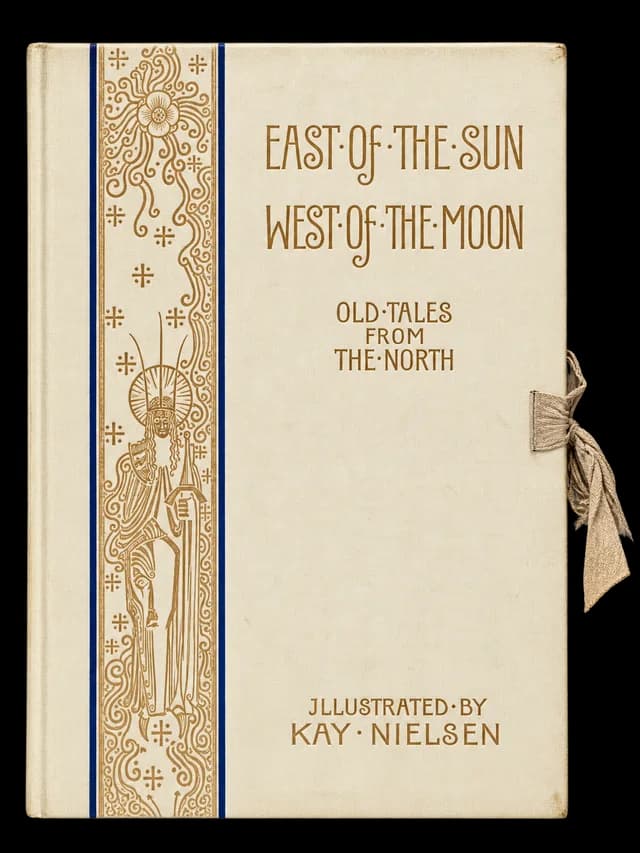
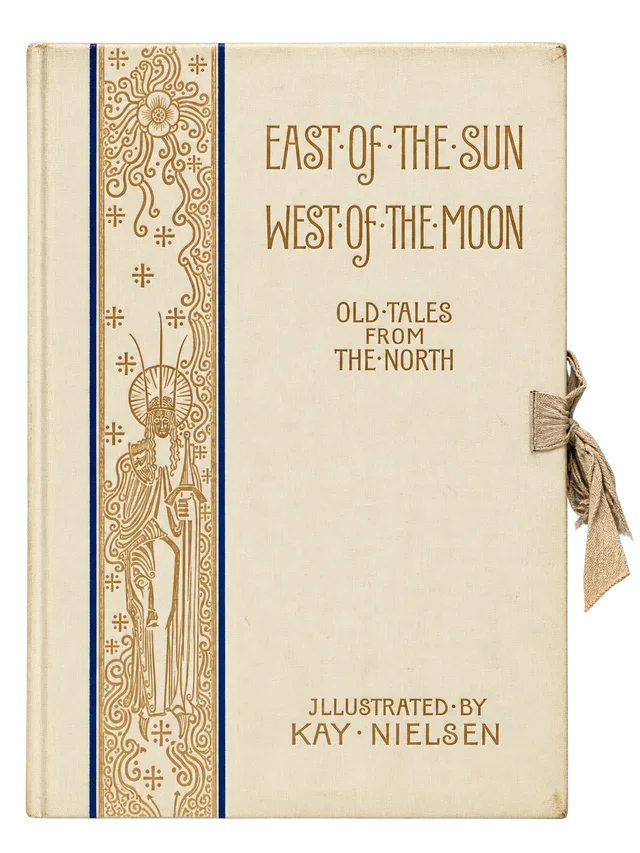
East of the Sun and West of the Moon draws on the joint Norwegian collection, with English tales from Sir George Webbe Dasent and illustrations by Kay Nielsen. The printed credits preserve the shared collecting work of Asbjørnsen and Moe alongside the later translation and pictures.
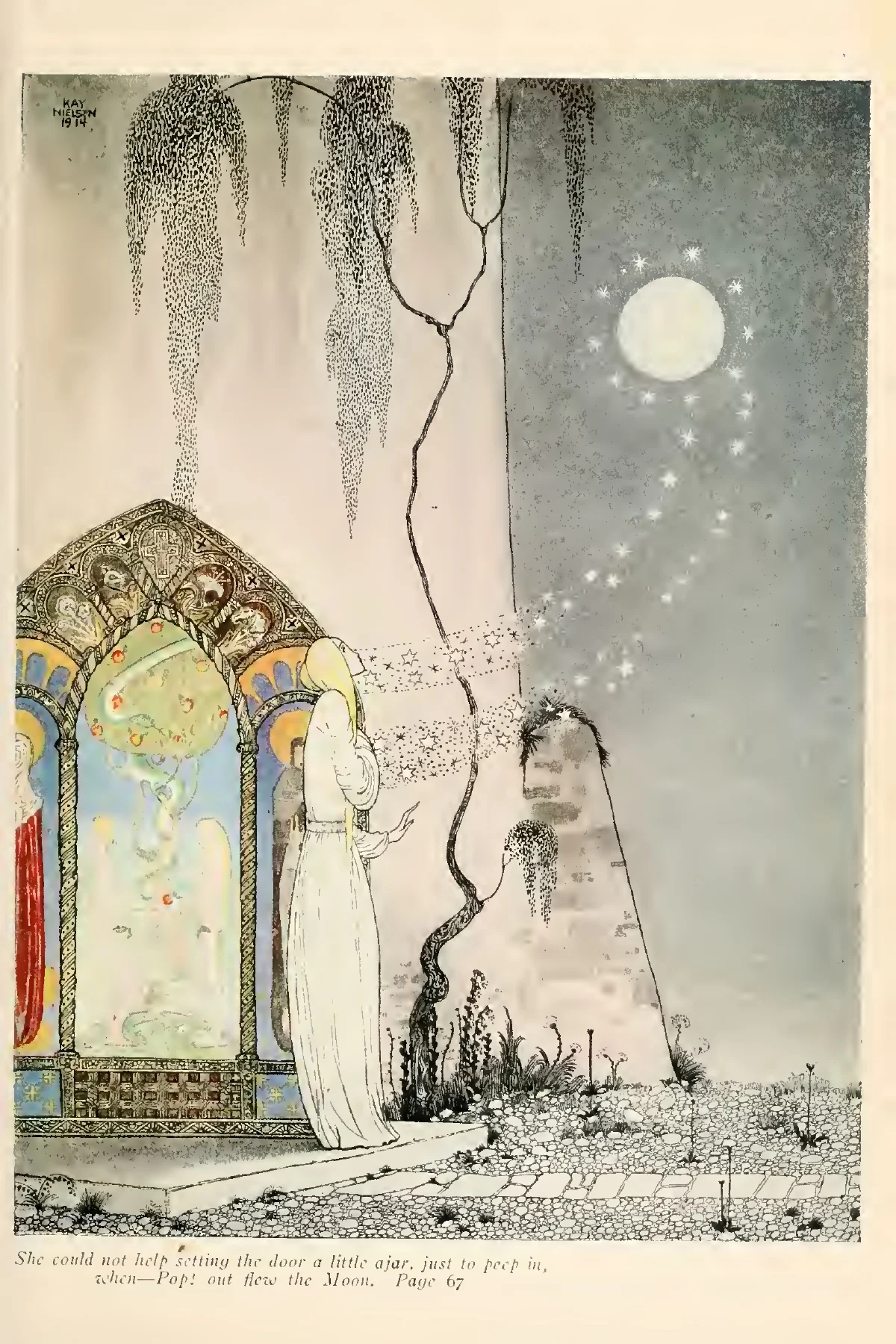
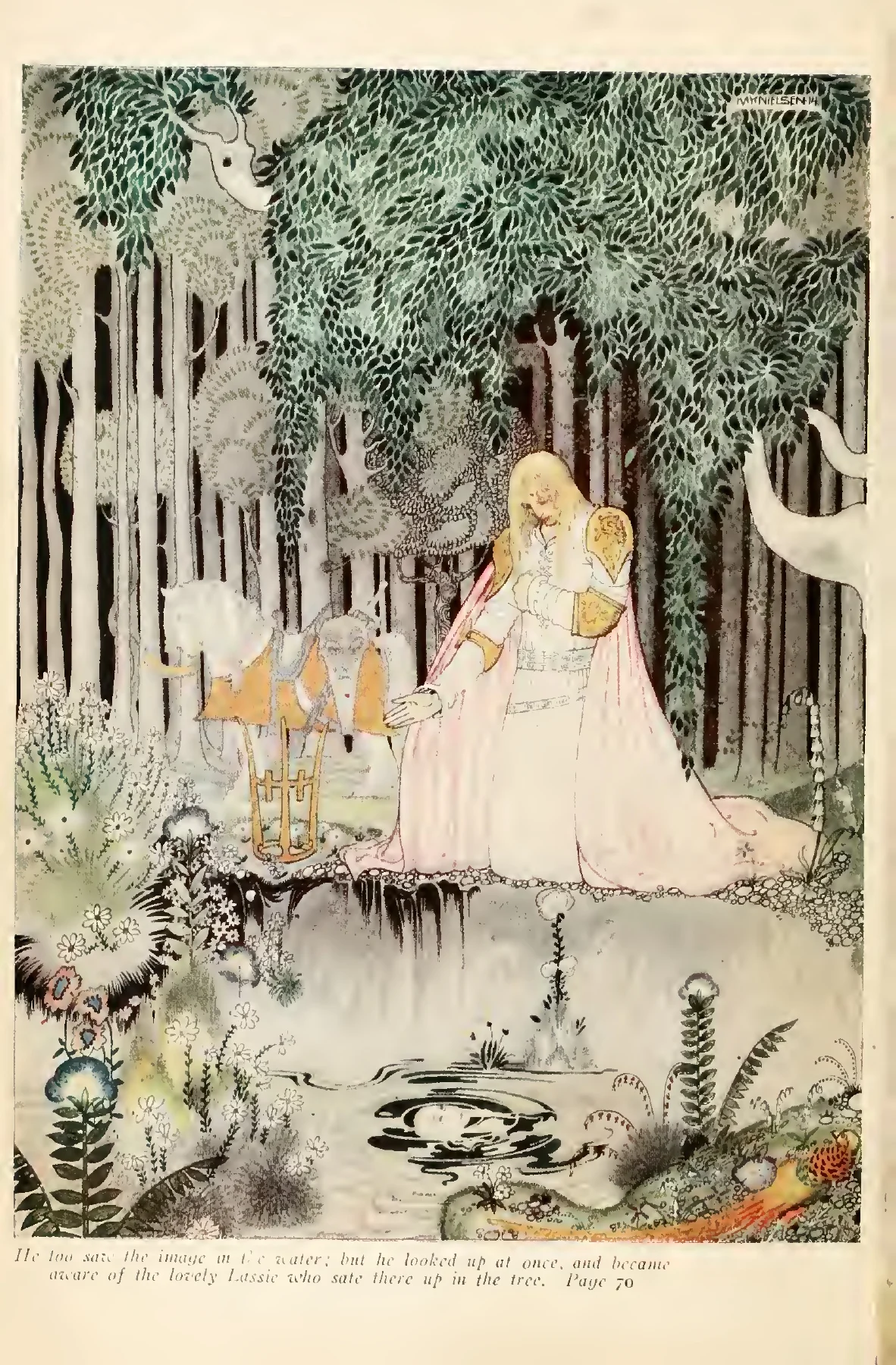
The Lassie and Her Godmother repeats the opening of forbidden doors, releasing a star, the moon and the sun. A small wish to look grows into an upheaval of the heavens. Later, the girl’s reflection in a spring first deceives servants and then leads to recognition. Repetition supplies an anticipated shape while changing the stakes of each action. Nielsen’s images select their own moments from this sequence, extending the tale’s visual possibilities beyond its collected and translated words.