Life and literary career
Born James John at Laugharne, Carmarthenshire, in 1795, St. John was the son of a shoemaker. He attended the local charity school and received instruction in classics and modern languages from the vicar, John Williams. Further reading extended this early education.
He entered radical journalism under the name Julian Augustus St. John. In 1819 he contributed to Richard Carlile’s Republican and briefly edited it during Carlile’s imprisonment. He subsequently edited The Patriot in Plymouth and Exeter. In December 1819 he married Eliza Caroline Agar Hansard; several of their children also became writers.
St. John became assistant editor of James Silk Buckingham’s Oriental Herald in 1824 and founded the London Weekly Review with David Lester Richardson in 1827. After living in France and Switzerland, he travelled in Egypt and Nubia in the early 1830s. Egypt and Mohammed Ali appeared in 1834; his History of the Manners and Customs of Ancient Greece followed in 1842.
Later work included political leaders for the Daily Telegraph, contributions to the Sunday Times as Greville Brooke, and editions of Locke and Milton. His Life of Sir Walter Raleigh (1868) drew on research in Spanish archives. He became blind in his later years and died in London in September 1875.
Editing imaginary commonwealths
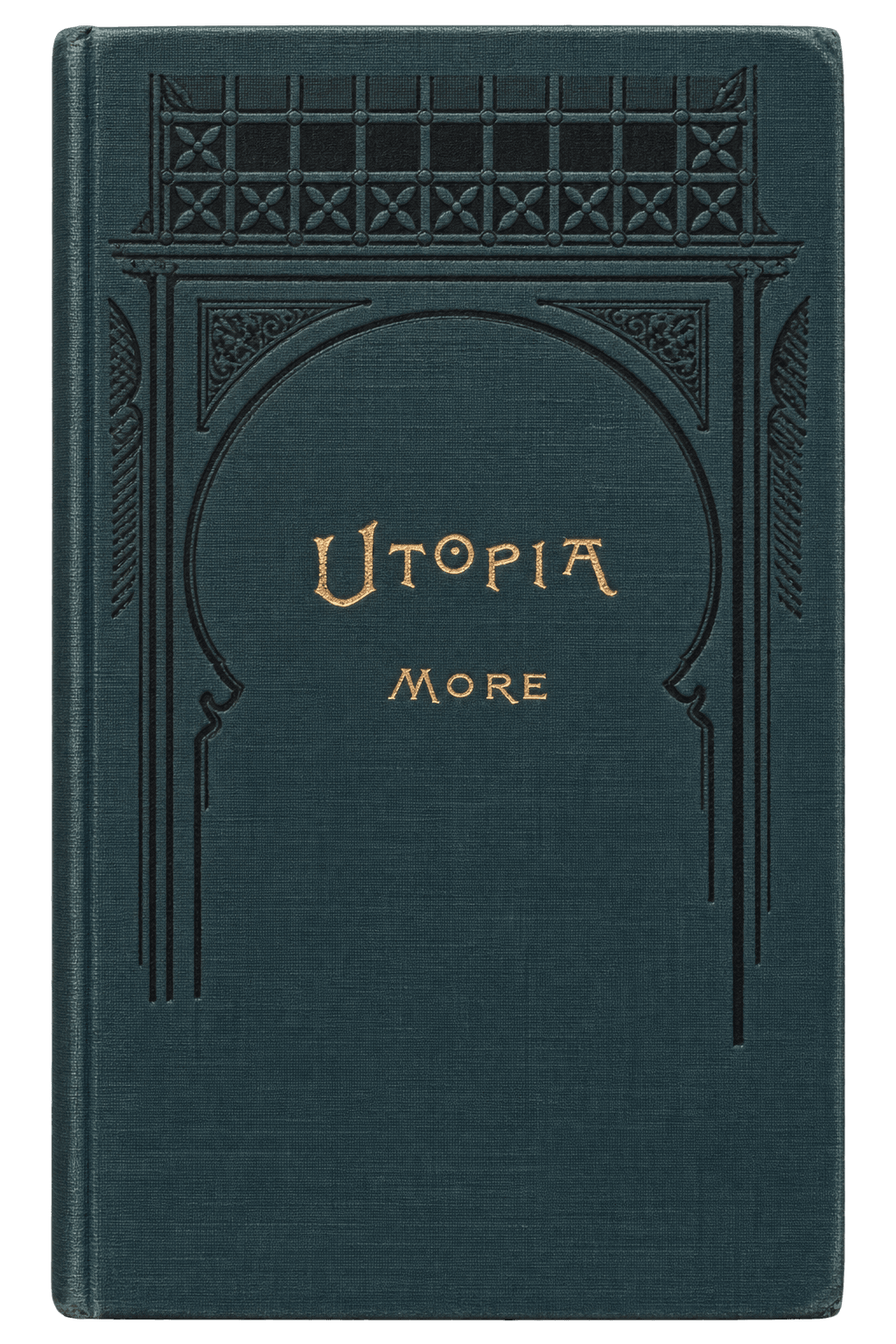
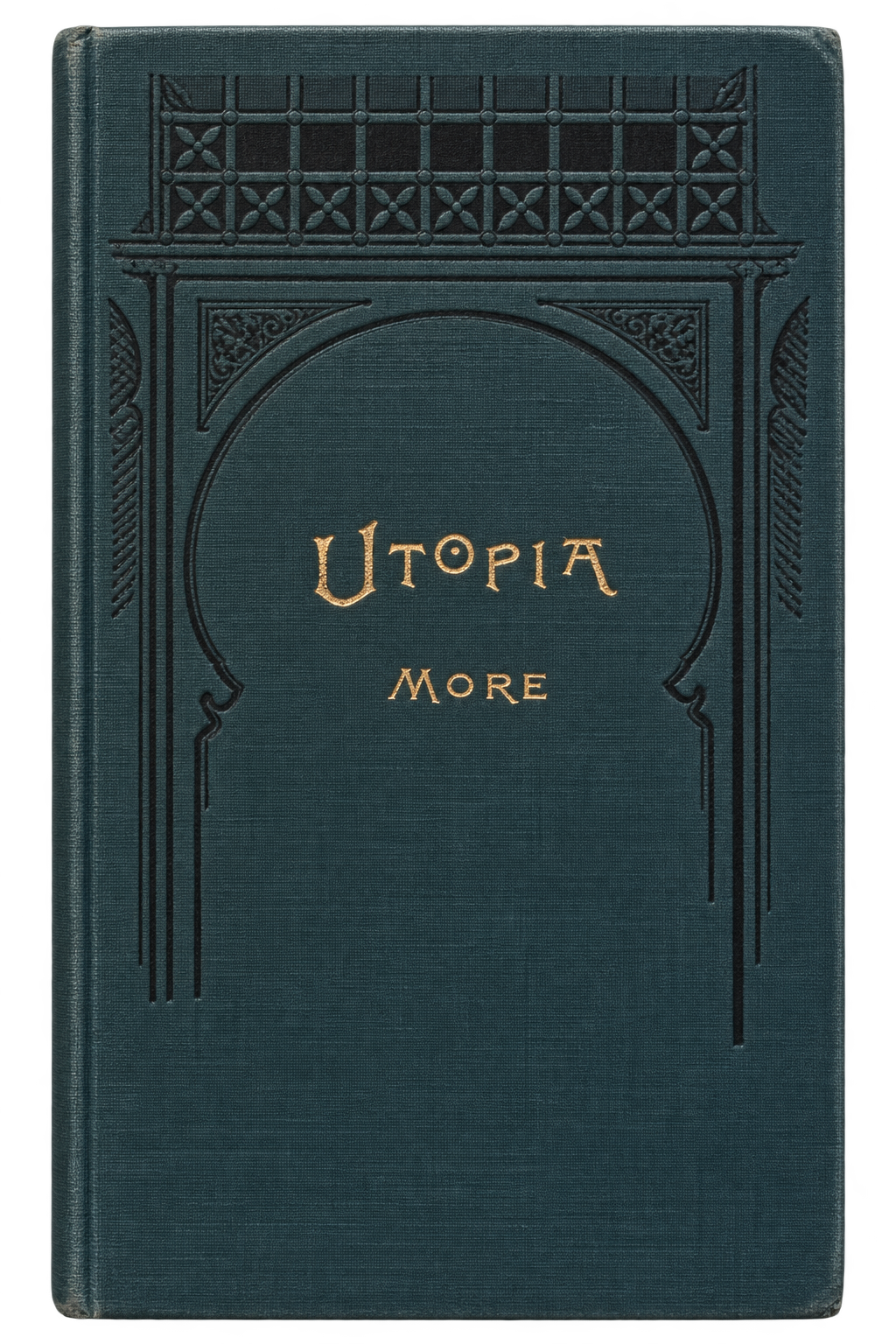
St. John’s Utopia collection was already in print in 1838. The held London printing is dated 1852 and names M. S. Rickerby as printer. St. John supplied the preliminary discourse, an analysis of Plato’s Republic and notes. More wrote Utopia, Bacon wrote New Atlantis, and the volume reproduces Bishop Gilbert Burnet’s English translation of More with Burnet’s own preface.