The printer becomes a novelist
Born in Tours in 1799, Balzac studied law in Paris before trying his hand at fiction. Early novels appeared under assumed names. Ventures in printing and typefounding left him with debts that outlasted the businesses. His experience of presses and publishers later supplied material for Lost Illusions.
As his novels accumulated, characters began reappearing across books. Balzac grouped them into La Comédie humaine, an account of French society broad enough to include provincial households, the Paris press and the lives of artists. He placed Séraphîta among its Philosophical Studies. He worked on the manuscript in Geneva in 1834 during his long relationship with Ewelina Hańska, whom he married shortly before his death in 1850.
A figure with two names
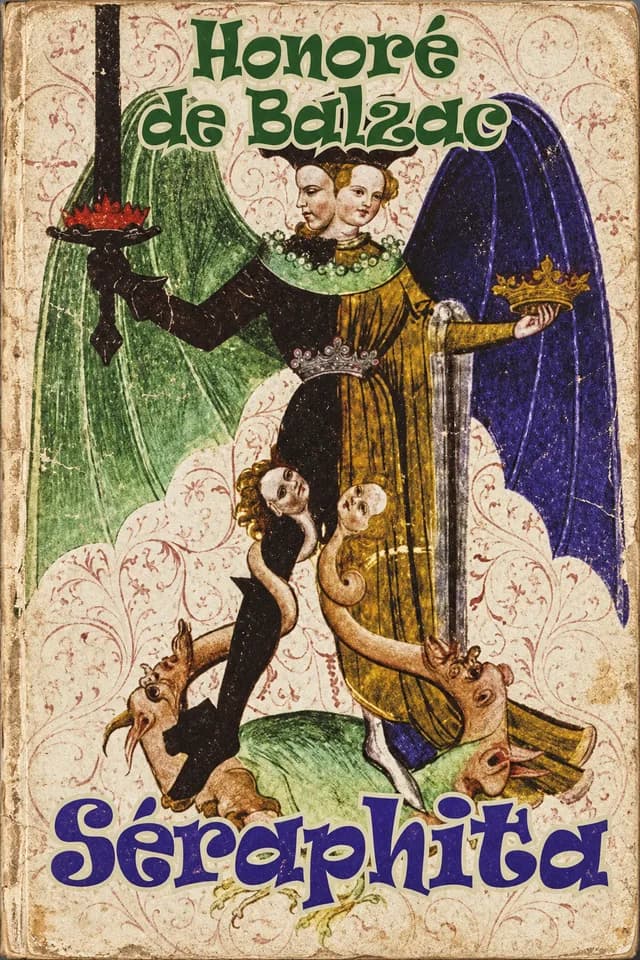
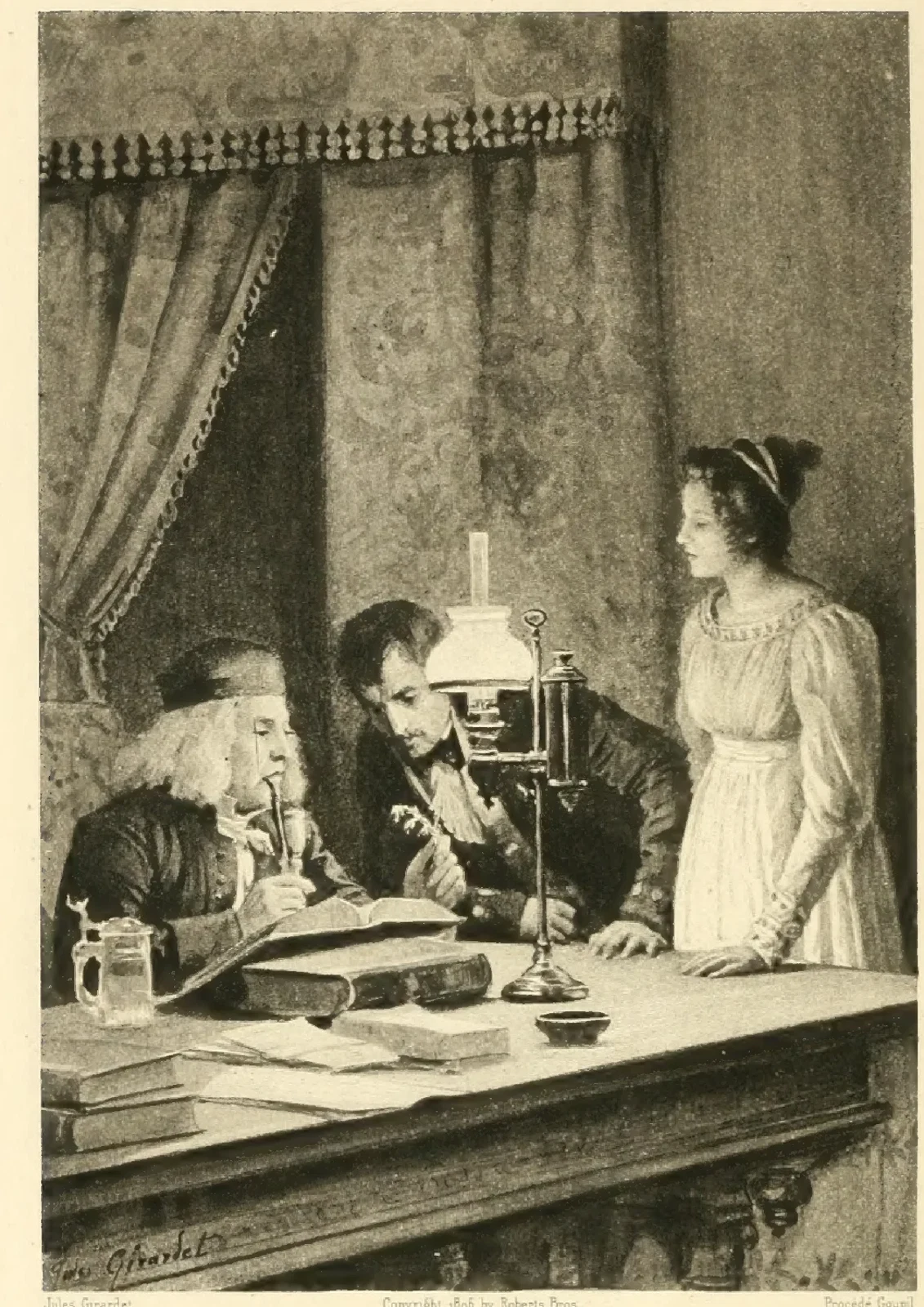
Minna and Wilfrid encounter the same being in Séraphîta and understand its sex differently. Balzac draws on Swedenborg’s religious thought to ask what either lover can perceive of a spiritual existence. Katharine Prescott Wormeley translated the English text here. Jules Girardet’s illustrations belong to a Centenary Edition volume pairing Séraphîta with The Alkahest; the library reader contains Séraphîta.