An engraver known through a named commission
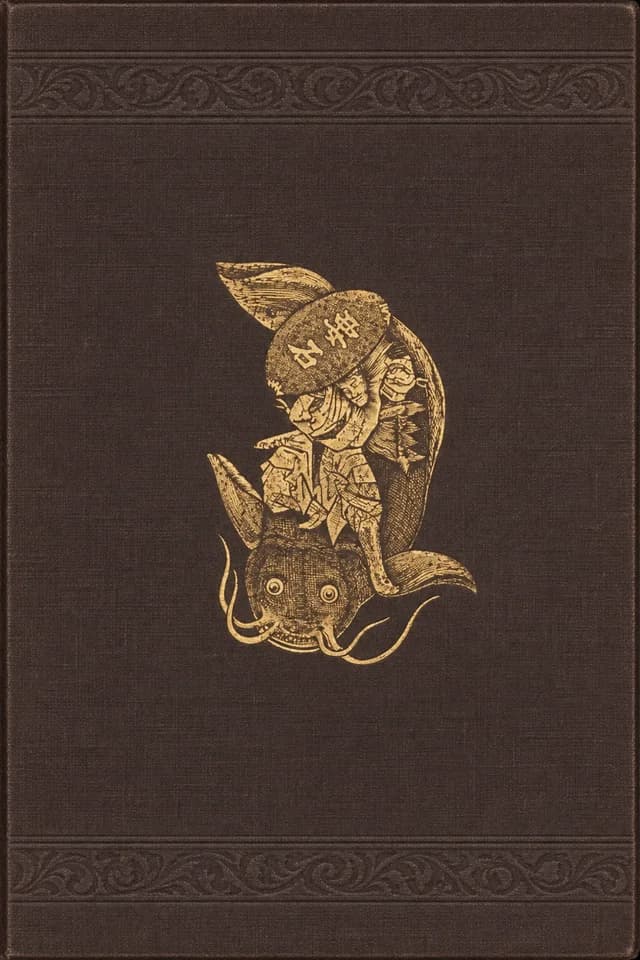
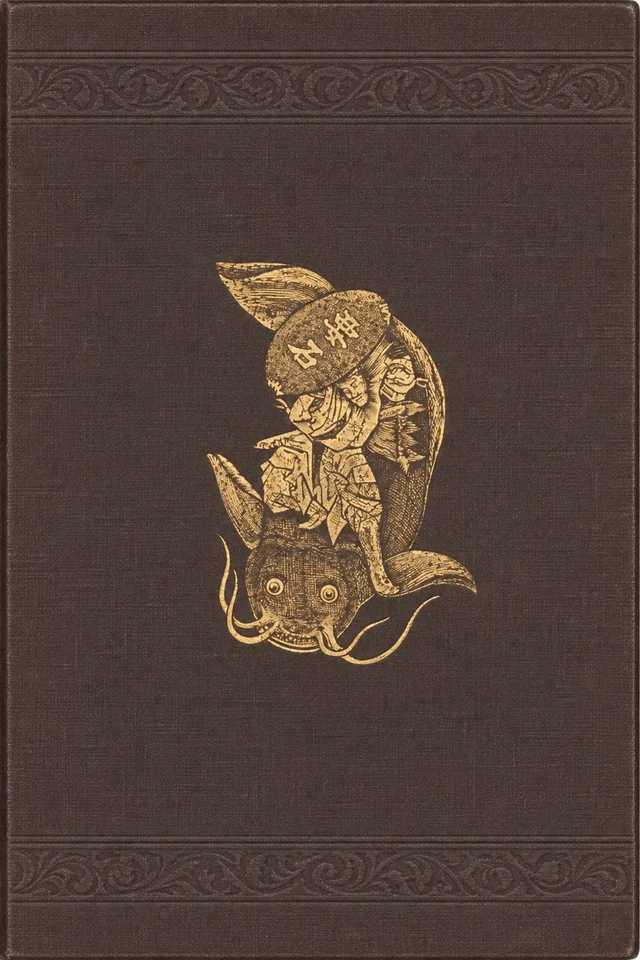
Little is securely documented about Troy’s family, education or life dates. The preface to Japanese Fairy World, published at Schenectady, New York, in 1880, identifies a particular commission: Griffis names Troy as the engraver who worked in New York on both the illustrations and the cover stamp.
That commission placed Troy between the maker of the drawings and the publisher of the printed book. Griffis says Ozawa Nankoku, his artist friend in Tokyo, drew the images specially for the work, apart from one picture supplied by a student. Troy’s engraving formed a separate part of this collaboration across two countries.
Pictures and a design for the cover
Griffis selected thirty-four stories with Japanese visual art particularly in mind. His preface connects their subjects with the figures and episodes he had encountered on decorative objects and in everyday life. Troy’s engraving helped carry those selected images into a volume made for English-language readers. The resulting book combines oral and written stories with a separately credited visual collaboration.
The cover stamp was included in Griffis’s acknowledgement alongside the illustrations. That credit shows attention to the book’s exterior as well as its pages, but it does not describe the process of making each image or divide every design decision between artist and engraver. Beyond this named work, Troy’s wider career remains uncertain.