Engineering and scholarship in London
Joly was born in Chartres in 1876 and received a scientific education before working as an electrical engineer and chemist. He continued that profession while living in London and researching Japanese art. His knowledge of metals and craftsmanship was especially useful in the study of sword furniture.
He collaborated with Hogitaro Inada on The Sword Book and the Book of Same, and with K. Tomita on Japanese Art and Handicraft. Catalogues of major collections and editorial work for the Japan Society formed further parts of his scholarship. During the First World War, illness prevented military service, but he volunteered to teach science at the Lycée franco-belge in London. He died in Chelsea in 1920, leaving an unfinished larger study of sword fittings.
Recognising a subject through its attributes
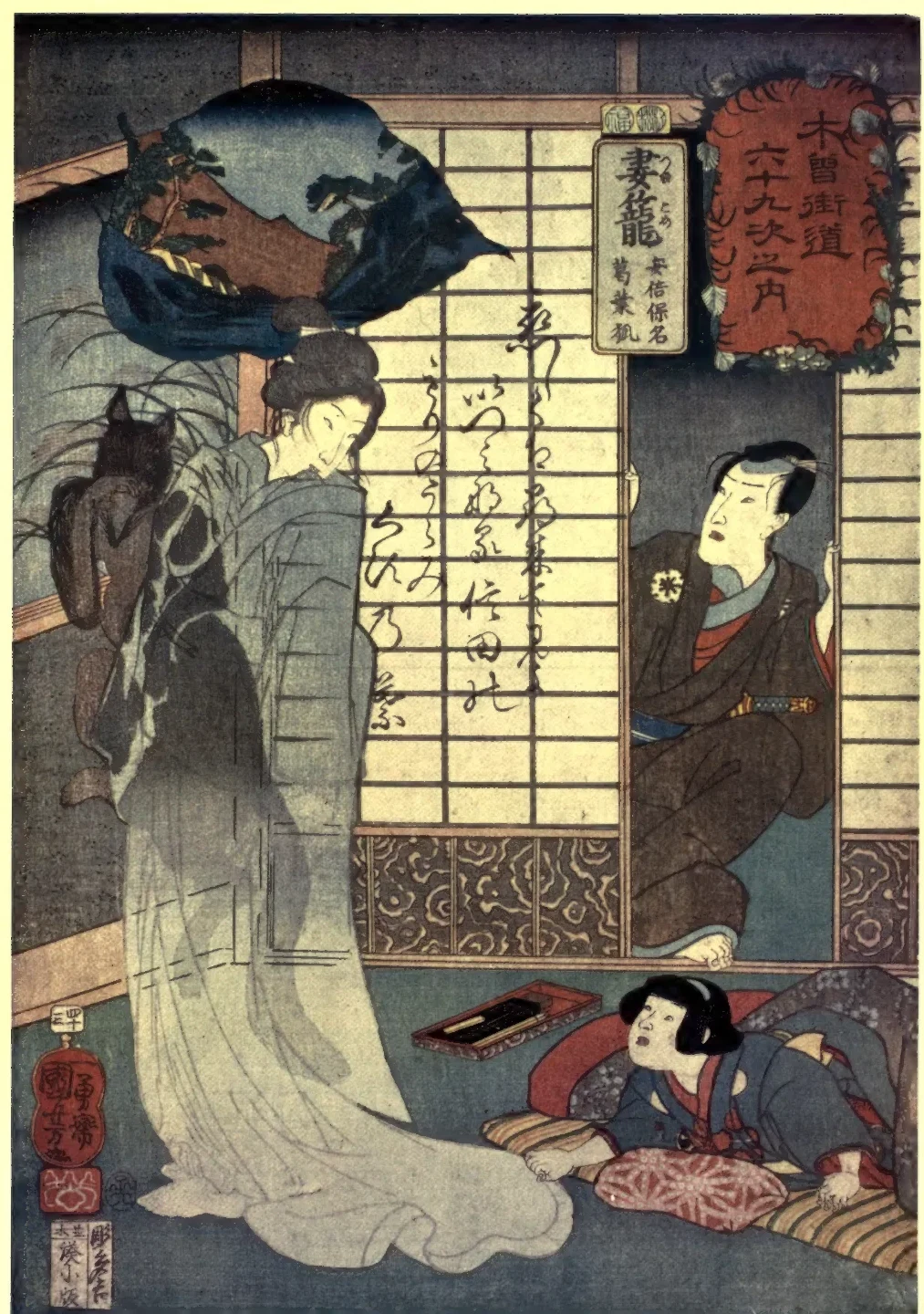
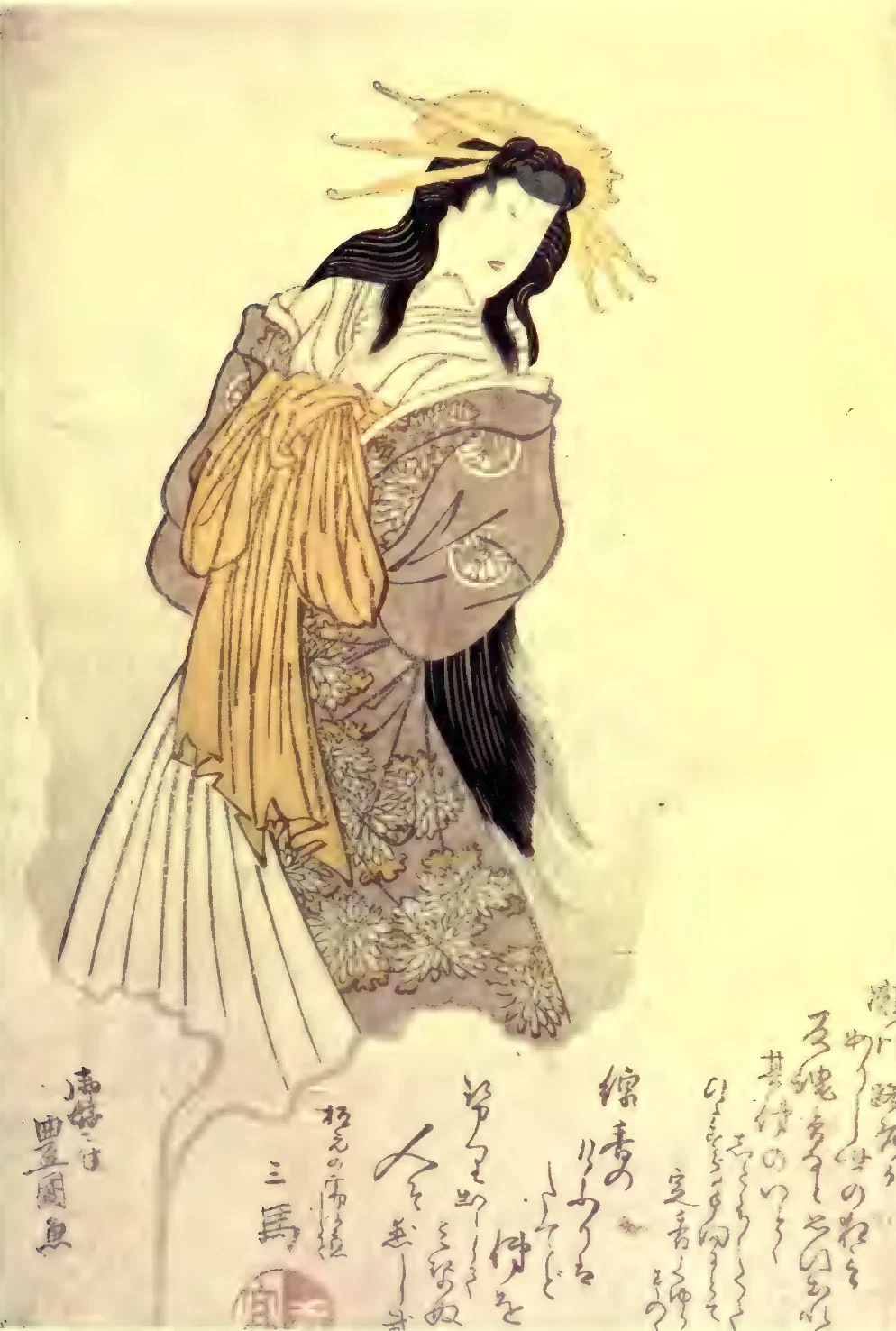
Legend in Japanese Art was published by John Lane in 1908. Joly addresses a practical difficulty: a collector may see a figure or object in a netsuke, inro, sword fitting or print without knowing the story it represents. The same narrative can pass between media with only a few identifying features retained.
Indexes of prominent attributes and Japanese characters provide routes from an unfamiliar image to an entry. The reproductions preserve further details, including inscriptions that a general retelling might omit. Joly assembles an interpretive reference rather than creating every pictured object. Its identifications connect visible features with literary and religious knowledge, while the original maker, medium and collection context remain part of the evidence for any particular work.