Languages, travel and colonial service
Henri Jean François Borel was born in Dordrecht in 1869, the son of a professional soldier who rose to the rank of general. His own career took a different direction. In 1888 he began studying Chinese at Leiden, preparing to work as an interpreter. He continued his training in Xiamen, then commonly called Amoy, after travelling to China in 1892 with his first wife.
In 1894 he entered service as an interpreter in the Dutch East Indies, now Indonesia. The position belonged to the machinery of colonial administration: interpreting involved written translation, work for judicial authorities and advice about Chinese communities. His knowledge of language developed through this practical setting as well as through books and study.
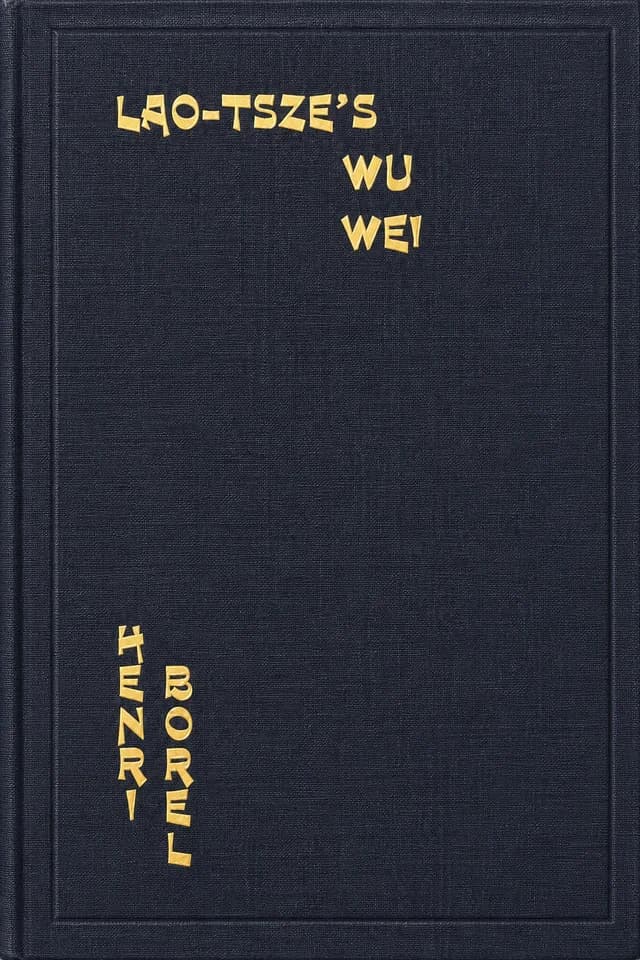
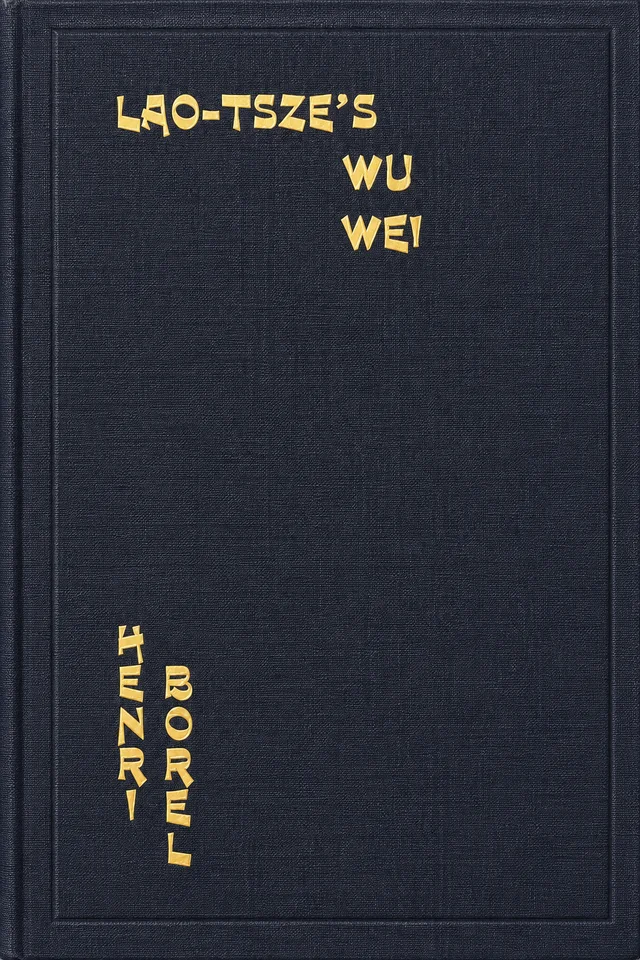
Borel published a series introducing Chinese philosophy to nonspecialist Dutch readers, including Confucian texts, the Daodejing and later Mencius. He combined language study with a wish to explain Chinese thought to a public that often encountered it through colonial reports.
Novels, criticism and literary friendships
His writing was not confined to China. Het jongetje, published in 1898, and Het zusje, published in 1900, helped establish him as a novelist. He also wrote about the society and arts of the Dutch East Indies, including music and theatre. A talented pianist himself, he responded with particular enthusiasm to Javanese gamelan. His literary and cultural interests accompanied his administrative career rather than simply replacing it.