Writing and the work of a teacher
Born Harriette Augusta Brown in Philadelphia around 1856, Curtiss considered a stage career before turning to writing and mystical teaching. A contemporary directory records her newspaper contributions under the name The Bachelor Girl. In 1907 she married F. Homer Curtiss. The following year they established a study group in Philadelphia that developed into the Order of the 15, also known as the Order of Christian Mystics.
Harriette took the role of teacher and the name Rahmea; Homer served as secretary and editor. Correspondence with students became Letters from the Teacher, while regular lessons contributed to The Voice of Isis and other publications. Their teaching joined Christian scripture to reincarnation and other Theosophical ideas, acknowledging a debt to Helena Blavatsky. The work took them from Philadelphia to California and later Washington, D.C. Harriette died there in 1932, after a partnership that had produced books, lessons and lecture tours.
A conscious source of the teaching
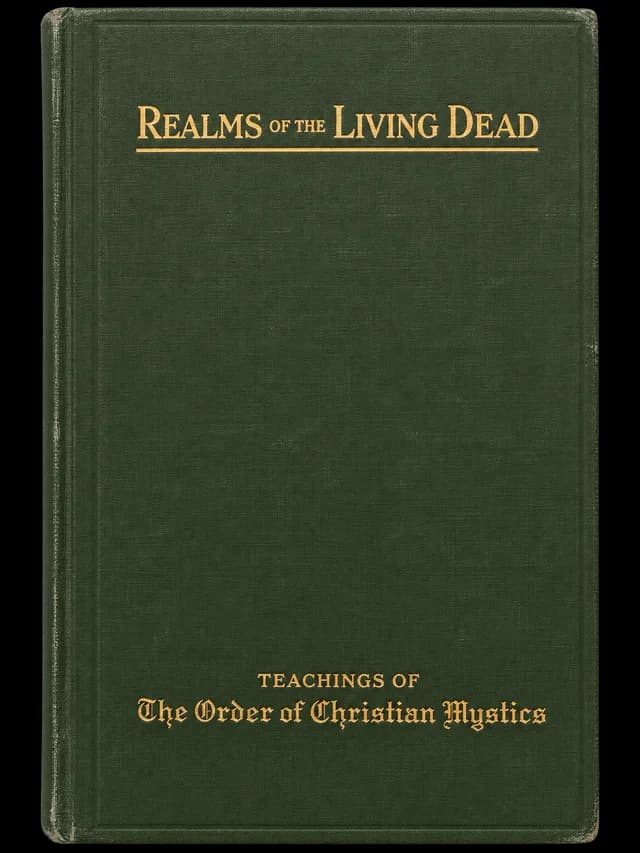
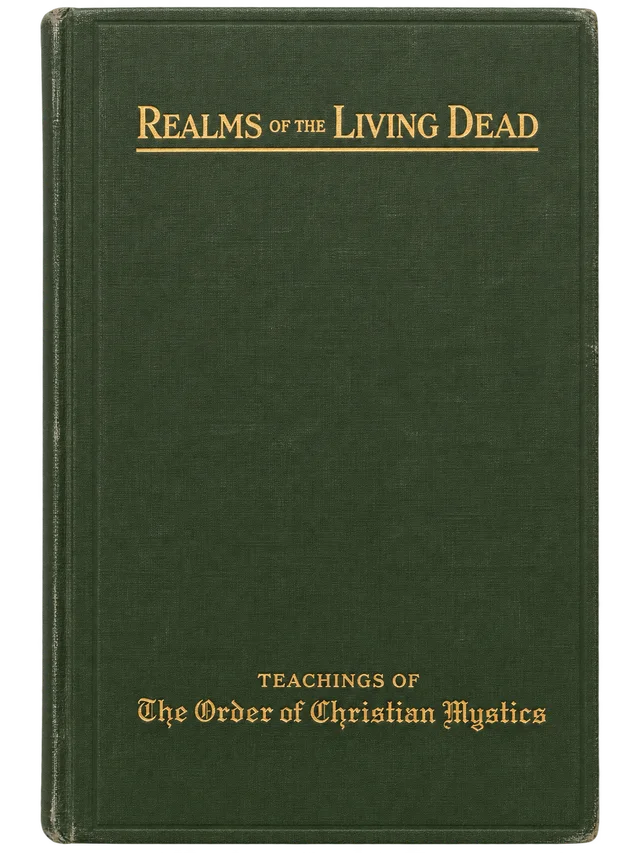
The held fifth edition of Realms of the Living Dead, published in 1926, names Harriette and Homer jointly. Its introduction traces the material to lessons issued in 1914–15 and a transcontinental lecture tour in 1915–16. It says the teaching was transmitted through Harriette while she was fully awake, in collaboration with Homer. The authors distinguish this process from ordinary mediumship and appeal to their own psychic experiences as confirmation.
The book addresses readers already persuaded that personal consciousness survives bodily death. It arranges astral existence into several realms and discusses communication, guidance and possible dangers. Harriette’s role is therefore more specific than that of a name attached to her husband’s writing: the volume presents her as a principal recipient of its teaching. Its Christian promises of comfort and spiritual development give the account its purpose, while its detailed geography of the afterlife remains part of the Order’s professed knowledge.