A career traced through books and paper
Bayley’s personal life is less securely documented than his publications. His studies of Francis Bacon and Elizabethan literature drew him towards the marks found in early printed books. A New Light on the Renaissance appeared in 1909, followed by The Lost Language of Symbolism in 1912. In Archaic England, published in 1919, he extended his method to monuments, place-names and folklore. He described these studies as work fitted around other obligations, with notes made in restaurants and railway trains.
He also edited The Undiscovered Country, a collection of claimed spirit communications published in 1918 with an introduction by Arthur Conan Doyle. A 1921 advertisement records his donation of an edition to the development fund of the Spiritualist journal Light. His later publications included The Lost Language of London, and a publisher’s list associates him with Spalding’s Quarterly, issued by the paper firm Spalding and Hodge. His exact birth and death dates remain uncertain.
Watermarks as a spiritual language
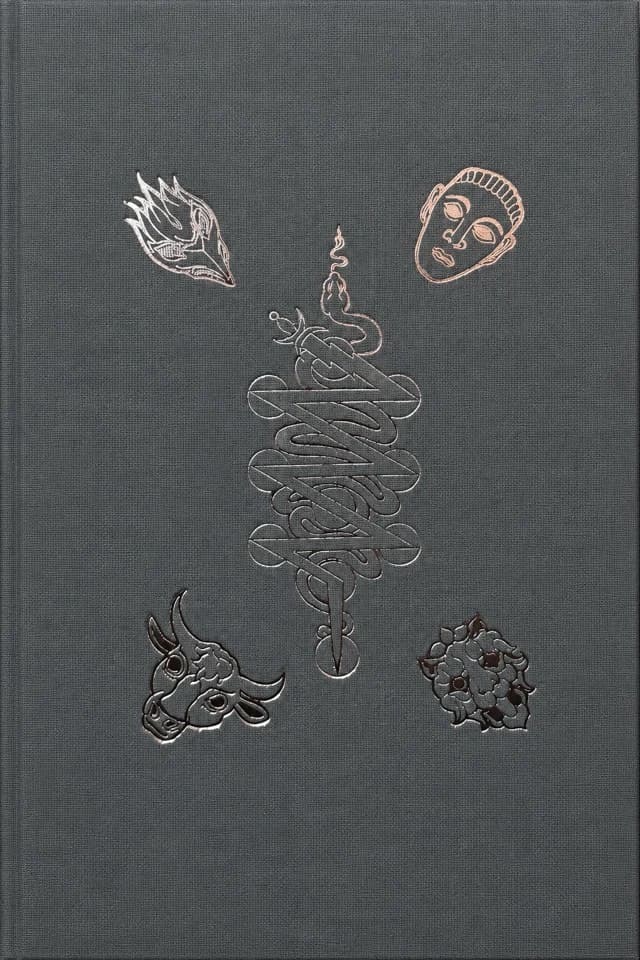
The held first volume of The Lost Language of Symbolism was published by Williams and Norgate in London in 1912. Bayley treats watermarks and printers’ emblems as traces of the beliefs of medieval religious minorities, linking them to Gnosticism, later secret societies and Freemasonry. Ladders, eyes, birds and other motifs become signs of spiritual aspiration. Fairy tales and similarities between words extend his search for connections beyond the paper itself.