From law to cabaret and film
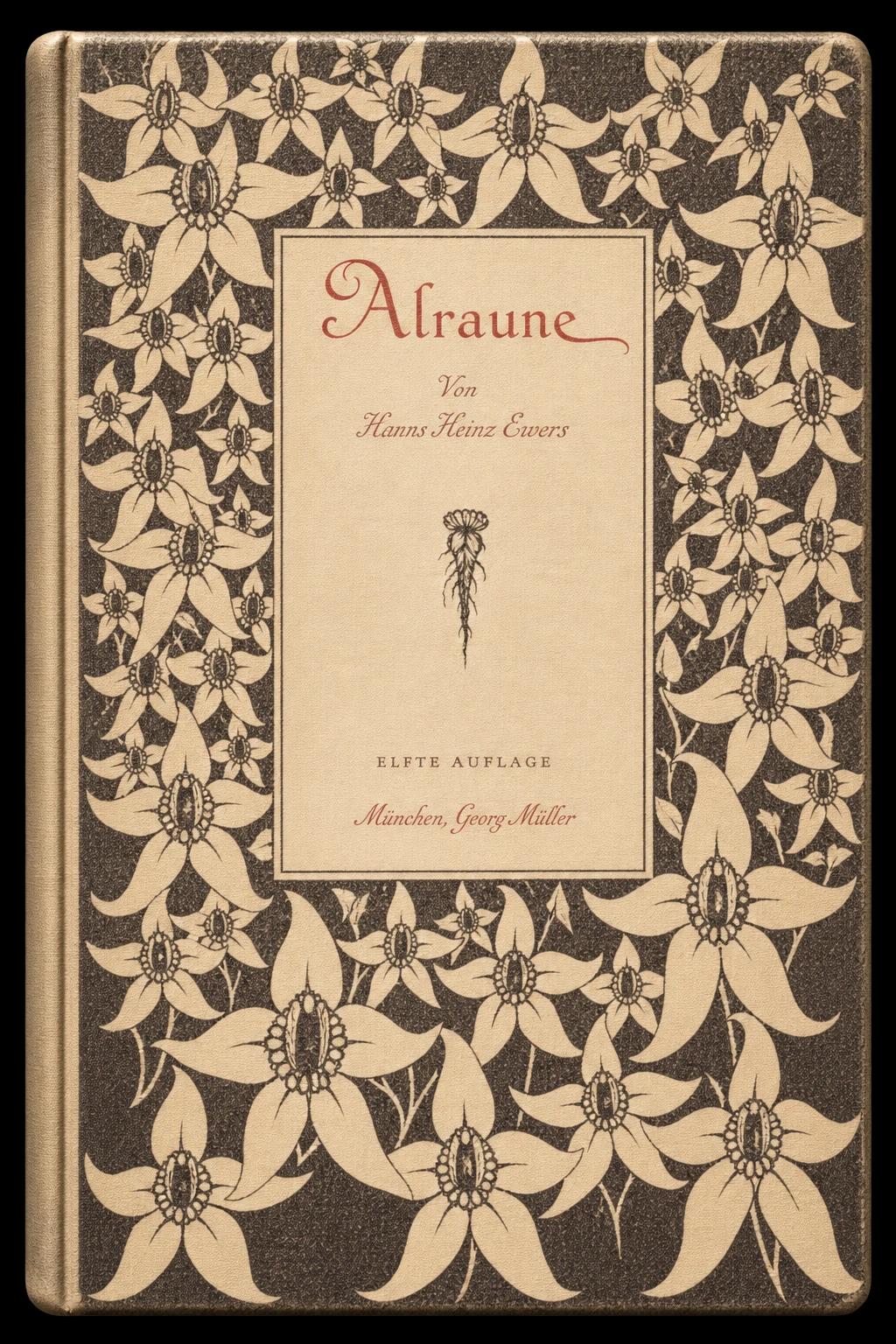
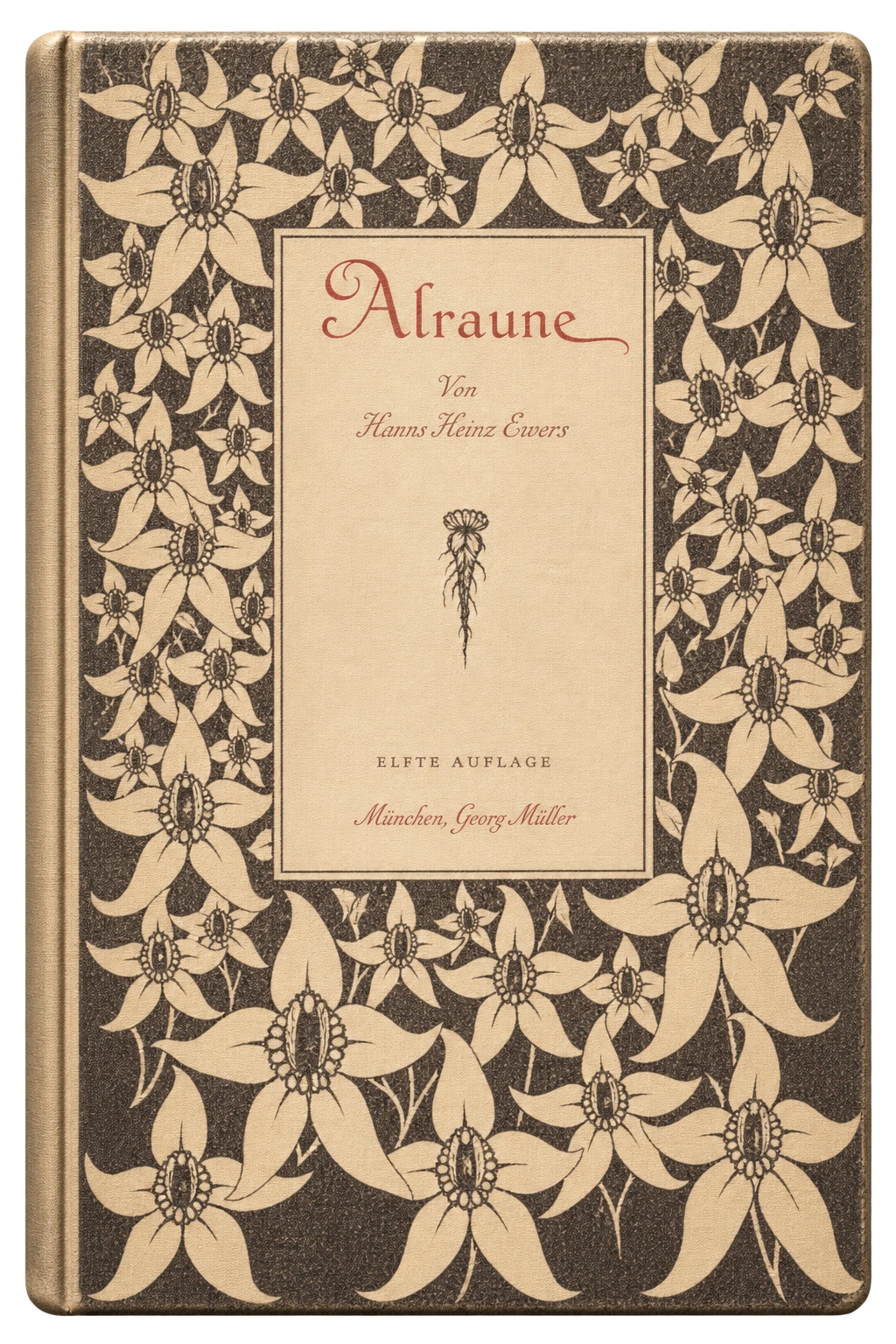
Ewers grew up in Düsseldorf with a painter for a father and a writer for a mother. He studied law in Berlin, Bonn and Geneva, completing a doctorate in 1894. By 1901 he was writing for Ernst von Wolzogen’s Berlin cabaret. That year he married the artist Ilna Ewers-Wunderwald. Her design work is credited in the German printing of Alraune in the library.
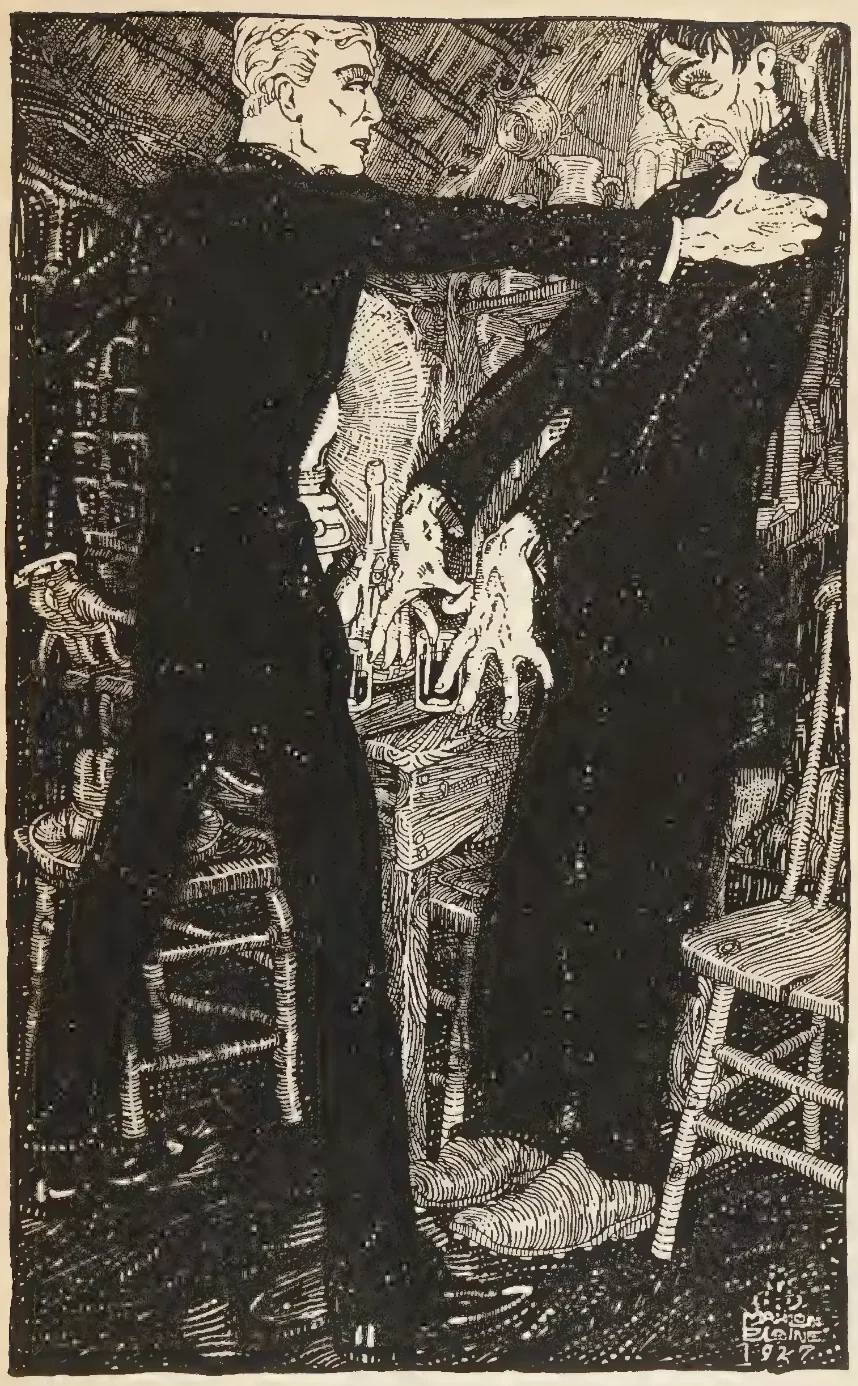
Alraune takes its name from the mandrake and recasts the legend as an experiment in heredity. Ewers also helped write The Student of Prague, the 1913 film in which a young man bargains away his reflection. Both works turn an apparently manageable transaction into a threat to the person who sets it in motion.
Propaganda and its aftermath
During the First World War Ewers promoted the German cause in the United States, where he was eventually interned. He returned to Germany in 1920 and joined the Nazi Party in 1931. His novel about the SA member Horst Wessel helped the party manufacture a martyr. Ewers subsequently fell from favour and much of his writing was banned. The surviving papers in Düsseldorf document both his participation in the regime’s propaganda and the later suppression of his work.