Life and career
Henry Rider Haggard grew up at West Bradenham in Norfolk, one of ten children. As a young man he went to southern Africa and worked for British colonial officials in Natal and the Transvaal. He witnessed the expansion of British rule at close quarters. His first book, Cetywayo and His White Neighbours, defended his view of the recent conflicts there well before readers came to know him as a novelist.
Back in England, Haggard studied law and returned to the Norfolk countryside. The success of King Solomon’s Mines in 1885 gave him a livelihood in fiction. He also spent years investigating farming, land use and the circumstances that drew families away from rural communities. His surviving papers document this public career alongside the manuscripts and correspondence of an adventure writer.
Work and ideas
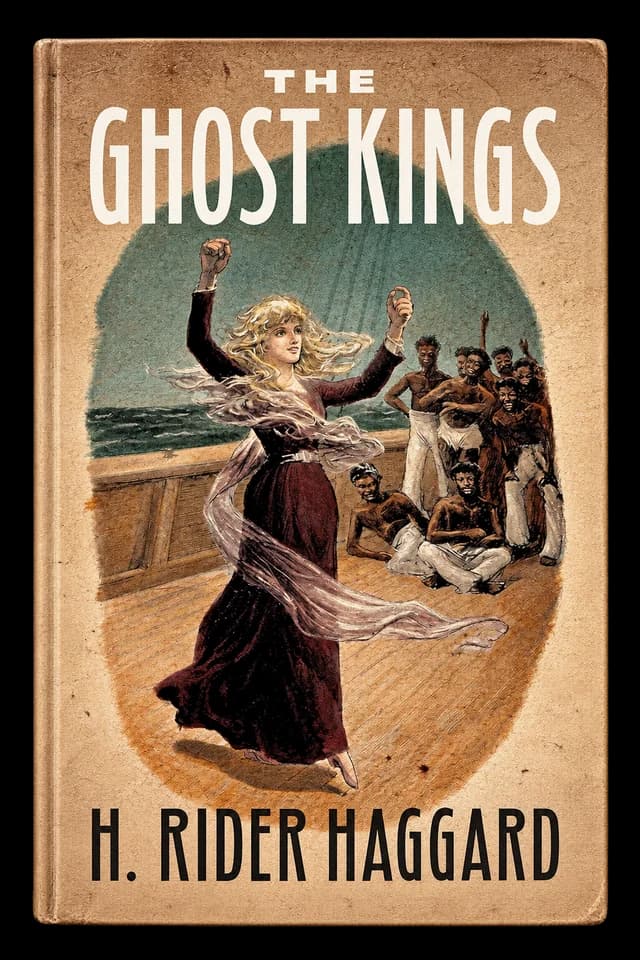
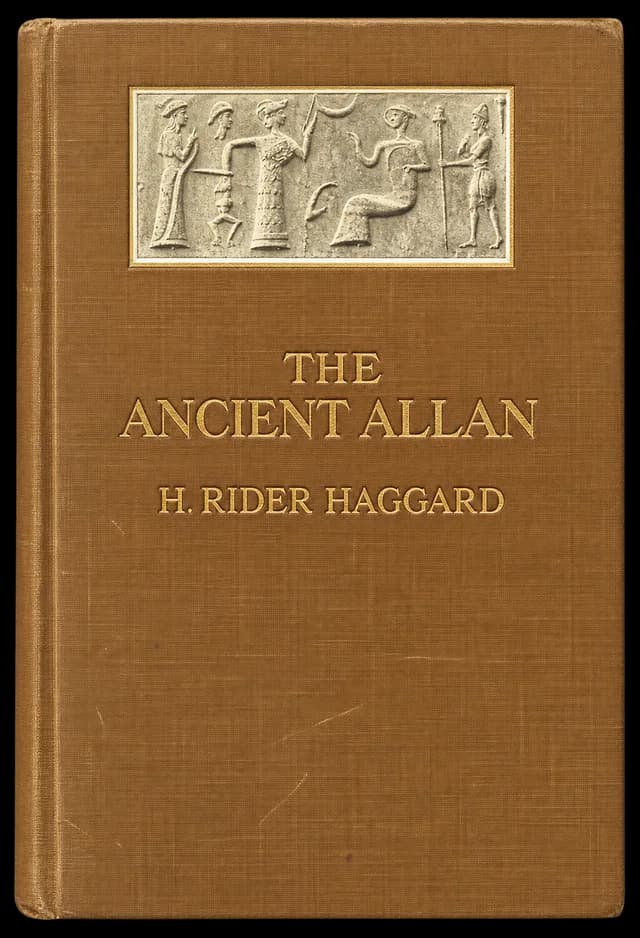
King Solomon’s Mines introduced Allan Quatermain, the hunter through whose eyes Haggard told many later stories. She placed a woman who claims to have outlived whole civilisations at the centre of the narrative. Archaeology, disputed inheritances and journeys into unfamiliar territory were recurrent subjects. The books also carried assumptions about race, empire and the right to narrate other peoples’ histories drawn from Haggard’s colonial experience.
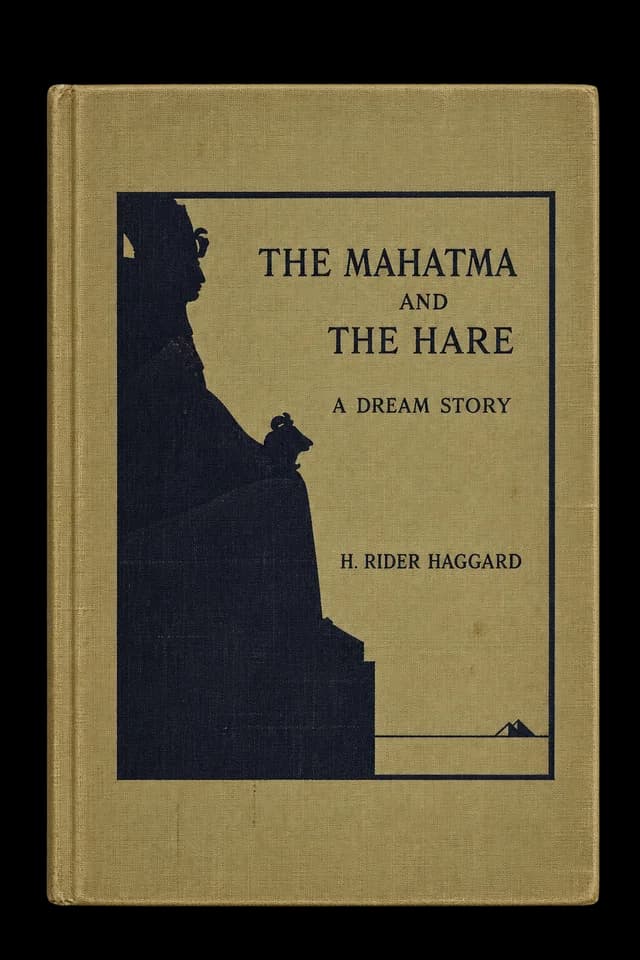
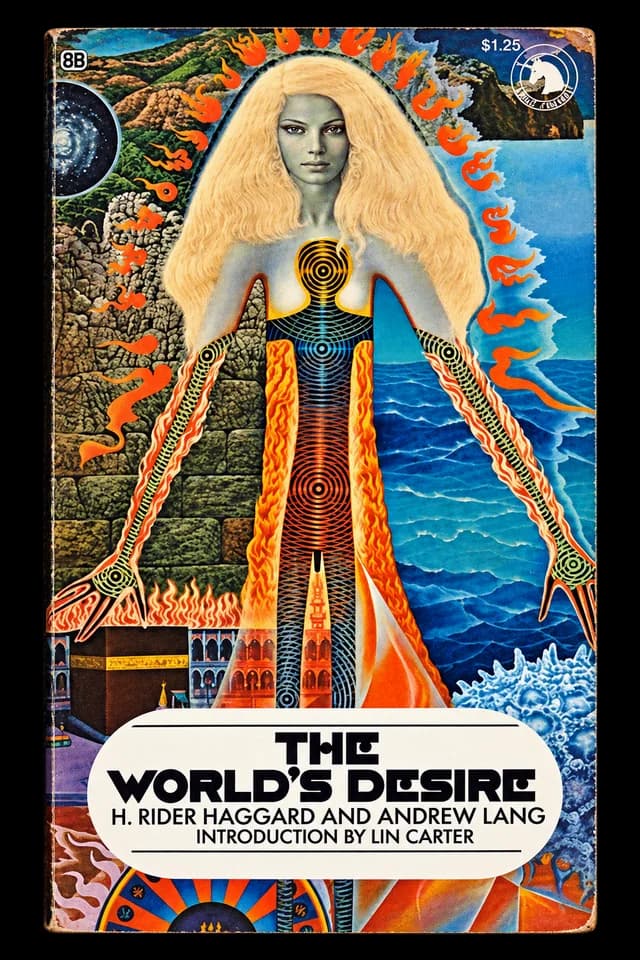
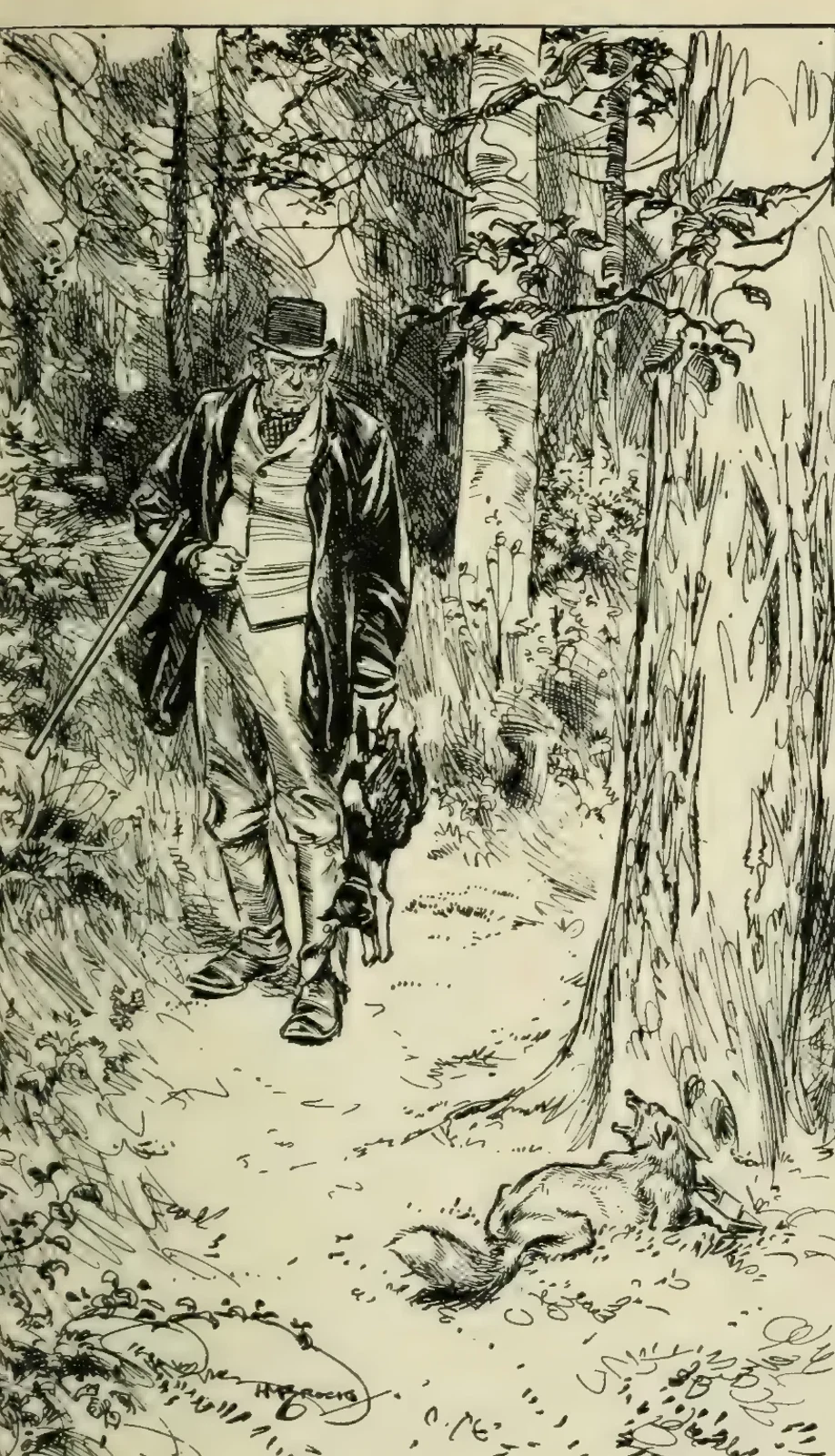
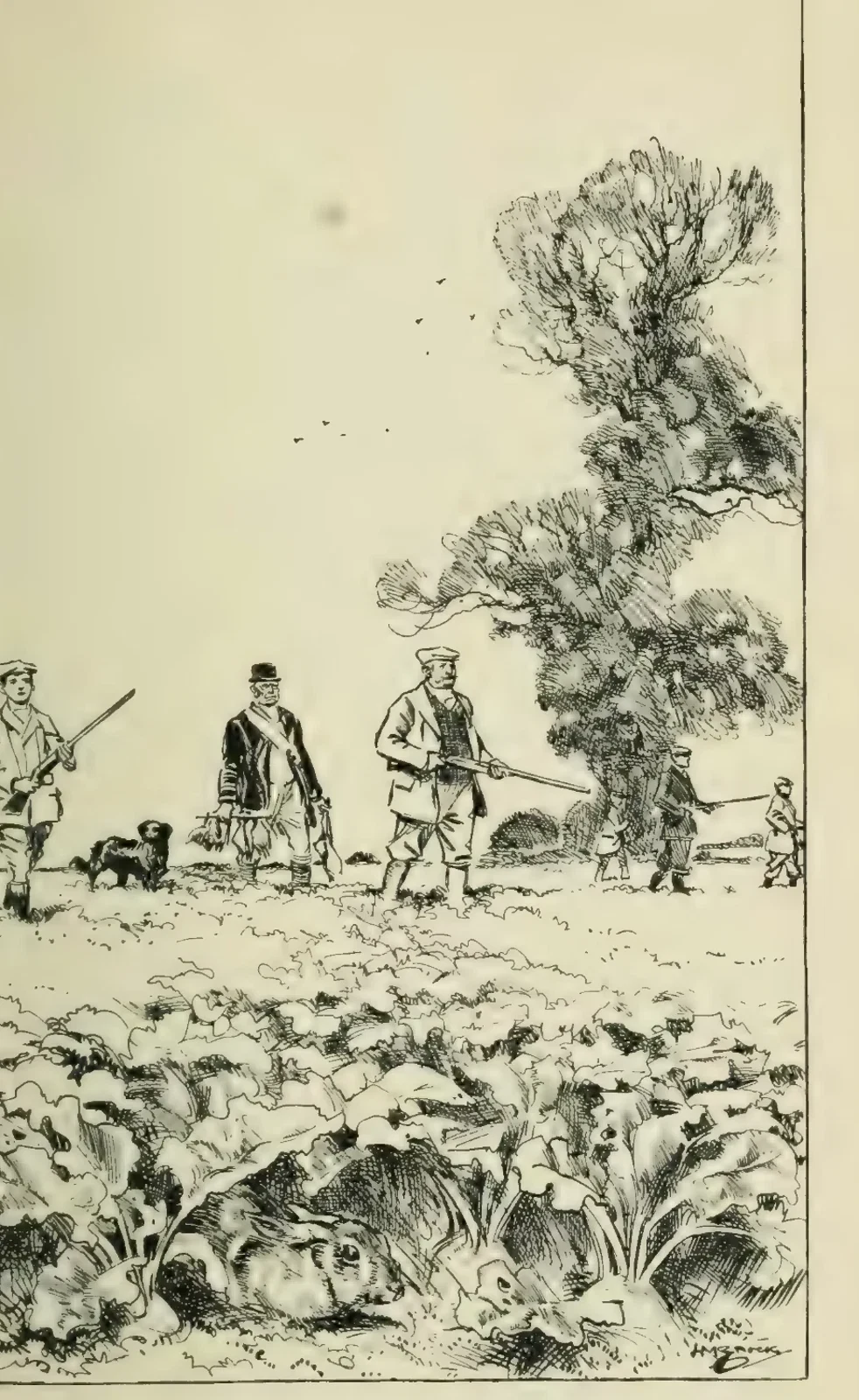
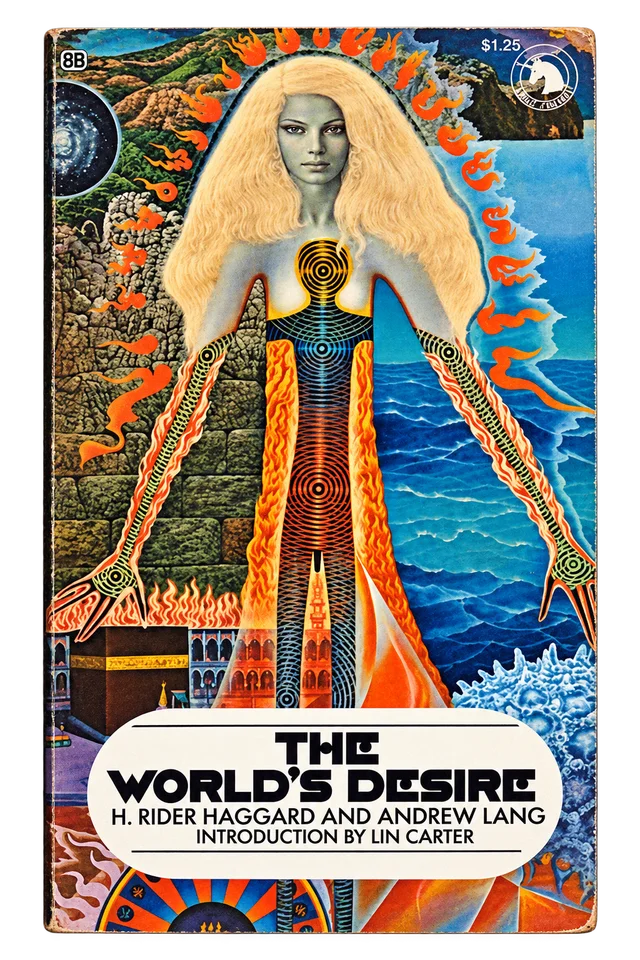
His friendship with Andrew Lang produced The World’s Desire, in which Odysseus survives the end of his familiar story and journeys to Egypt. A different side of Haggard appears in The Mahatma and the Hare. There a hare can recount its own experience of being hunted, a striking change of perspective for the writer who made his name with a hunter as narrator.