Science, teaching and a public literary career
Wells was born in Bromley and passed through difficult early jobs before training as a teacher. At the Normal School of Science in South Kensington he studied under Thomas Henry Huxley. Teaching and science journalism preceded the fiction that made his reputation, while his later University of London degree reflected a continuing engagement with formal study.
The Time Machine and The War of the Worlds belonged to a much wider output of novels, stories, history and social commentary. Scientific explanation could become an imagined change in the conditions of life. Wells also argued for education, an international political order and, later, universal human rights. His public ambitions were often those of a teacher seeking to change how readers understood the world, as well as those of a storyteller offering an extraordinary possibility.
A garden remembered through another voice
The Door in the Wall reaches the reader through Redmond’s account of his friend Lionel Wallace. Wallace remembers a childhood passage from a London street into a garden where he felt entirely at home. Later opportunities to return compete with school, ambition and public responsibilities. Redmond’s movement between belief and doubt keeps the act of listening inside the story.
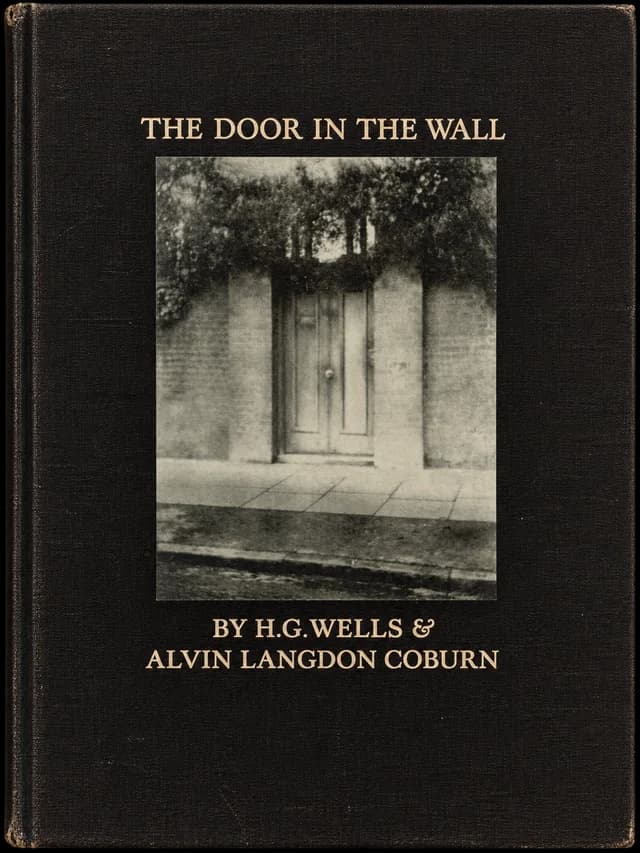
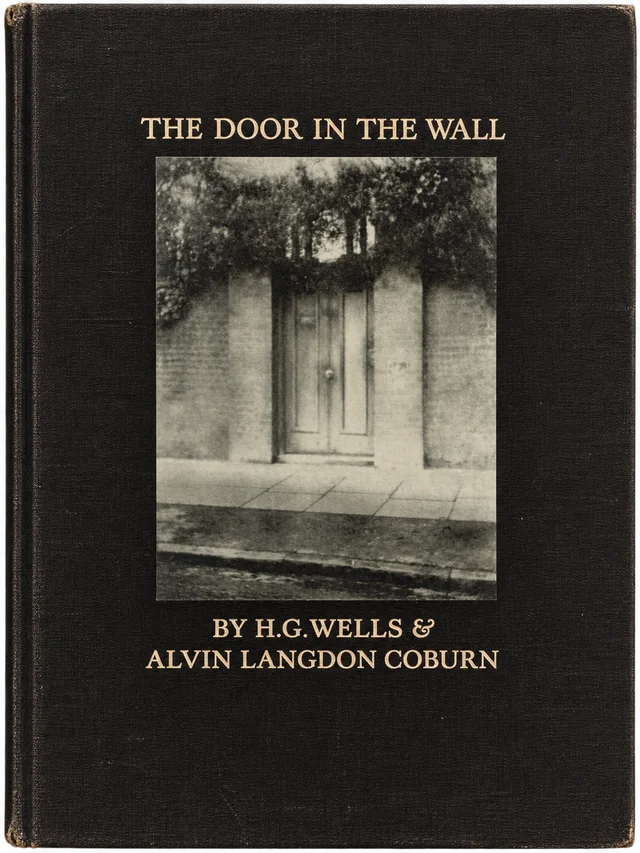
The green creeper, chestnut leaves and a shop’s plumbing supplies give the impossible an everyday setting. A postponed desire becomes harder to recover within a successful adult life. The undated reading transcription here collects eight stories, including The Star and The Country of the Blind. Its contents establish that textual collection; they do not establish a reproduction of the separate edition illustrated with Alvin Langdon Coburn’s photographs.