A craftsman among editors
Born Joseph William White at Christchurch in 1851, he later used his mother’s maiden name, Gleeson, to distinguish himself from his father. The son of a bookseller and stationer, he developed practical interests in craft, design and collecting alongside his writing. His career crossed the boundaries between making books and discussing their appearance.
After editing The Art Amateur in New York, White returned to England and worked for George Bell and Sons. In 1893 he became the founding editor of Charles Holme’s The Studio, using modern photographic reproduction to bring fine and applied art to a broad readership. He also designed bindings, edited literary publications and wrote about illustration. He continued contributing to The Studio after leaving its editorship and died of typhoid fever in 1898.
Taking the nursery bookshelf seriously
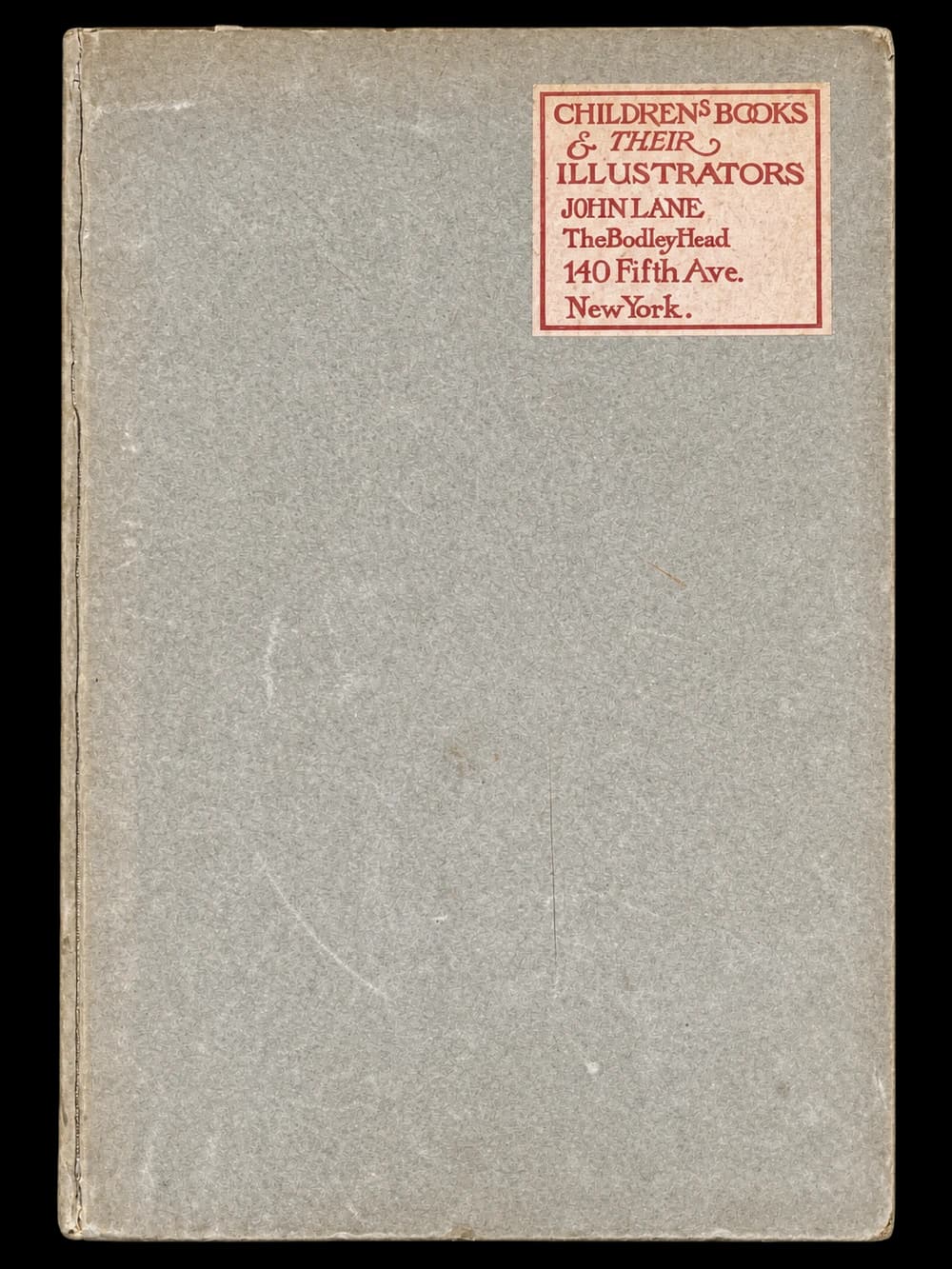
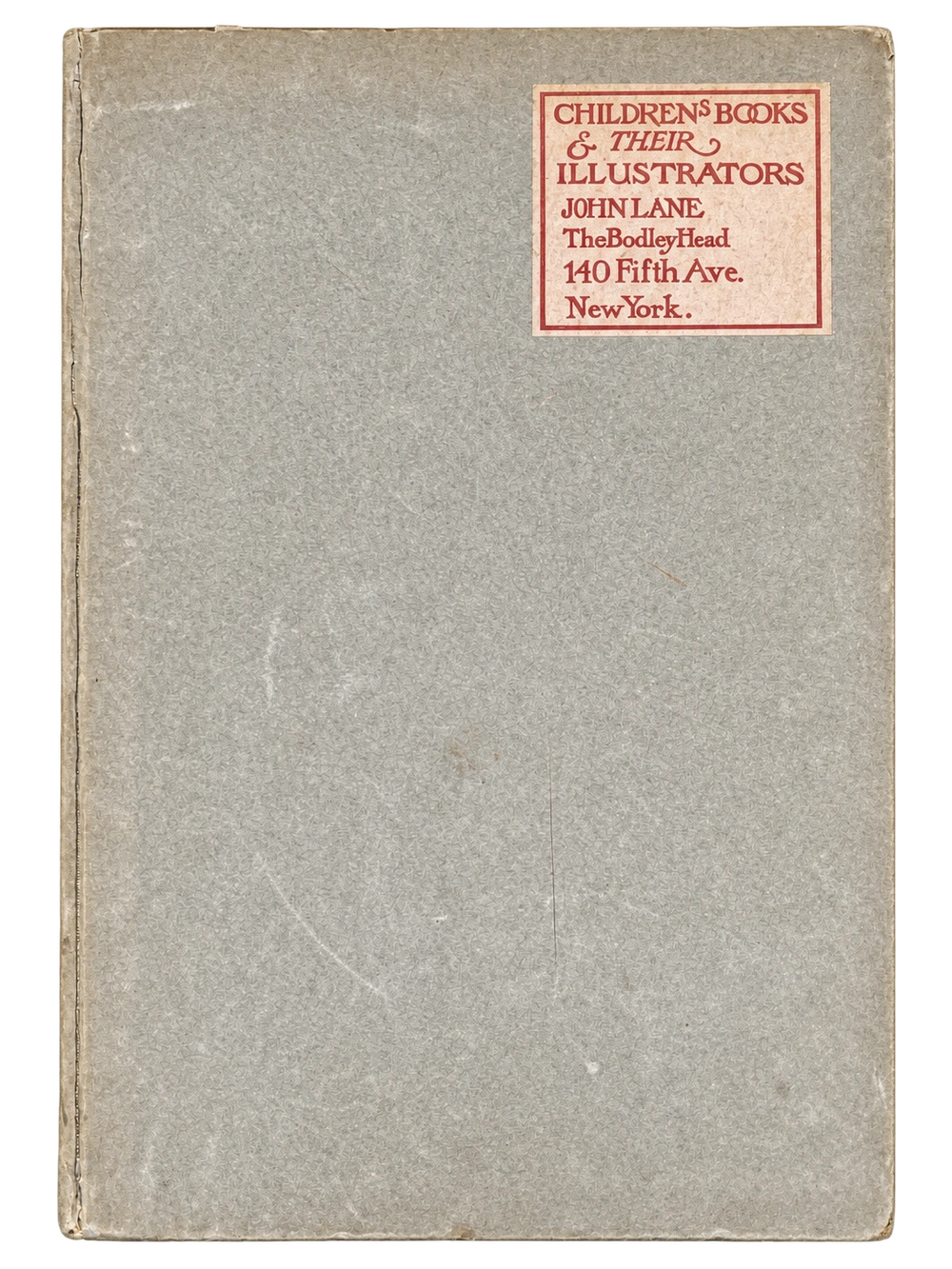
Children’s Books and Their Illustrators belongs to The Studio’s winter number for 1897–98. Its examples range from early printed books and chapbooks to the work of Walter Crane, Randolph Caldecott, Kate Greenaway and other illustrators. Reproductions are part of the argument: readers can compare styles and kinds of storytelling as White moves through them.
He does not assume that children share the standards of adult collectors. In the opening discussion, he observes that a rough picture with an appealing subject may delight a child as much as an admired work of art. Since adults usually buy the books, their taste shapes the market without determining every child’s response. That tension makes the study more than a parade of attractive pages. White asks who picture books serve, and how serious design can coexist with the immediate pleasures of childhood.