Painting, magazines and illustrated travel
Born in Connecticut, Edwards began painting at Monhegan in Maine and studied in Antwerp and Paris during the early 1880s. Marine painting and illustration developed alongside one another. He later worked as art director at Collier’s from 1896 to 1903 and managed the American Bank Note Company’s art department from 1904 to 1912.
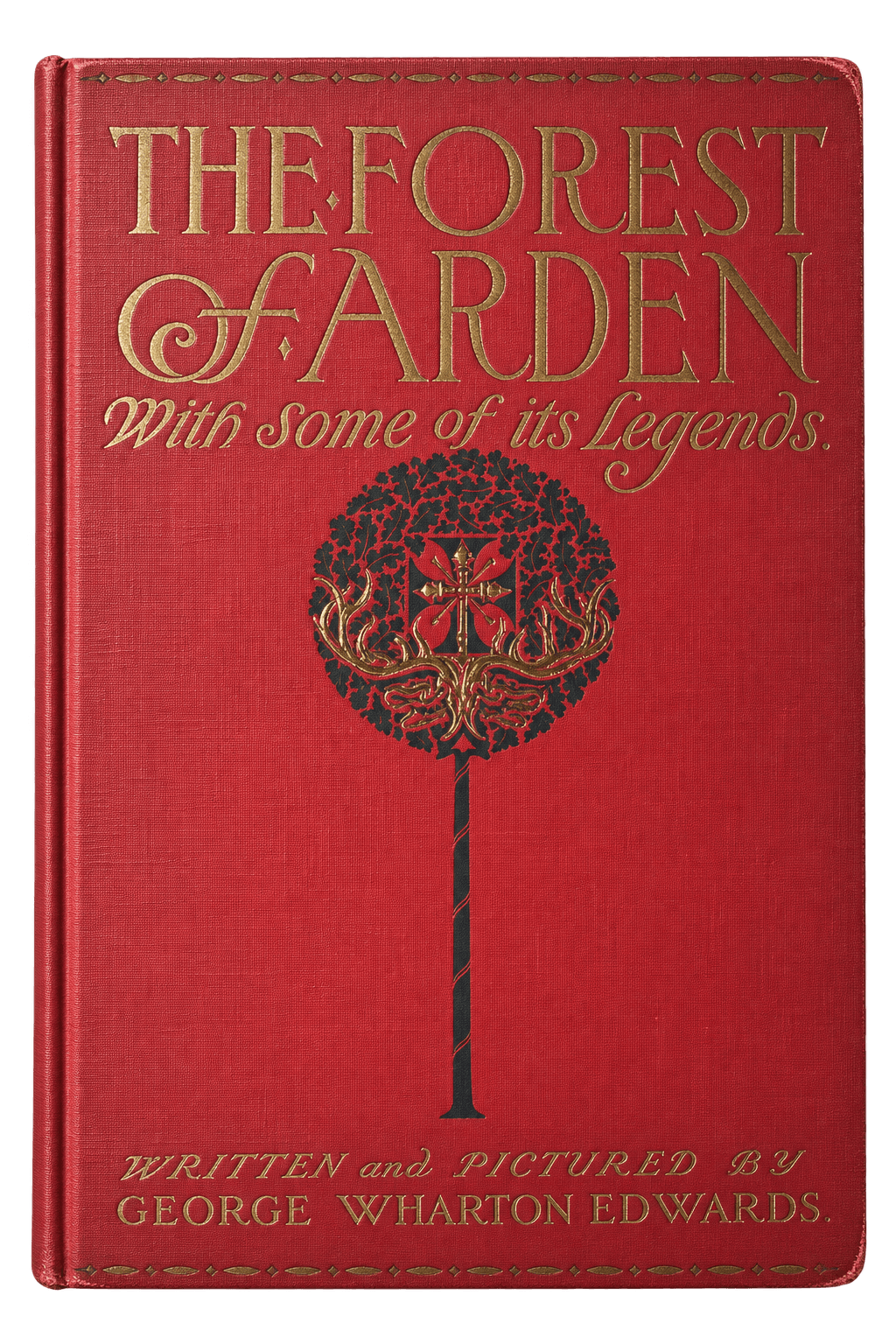
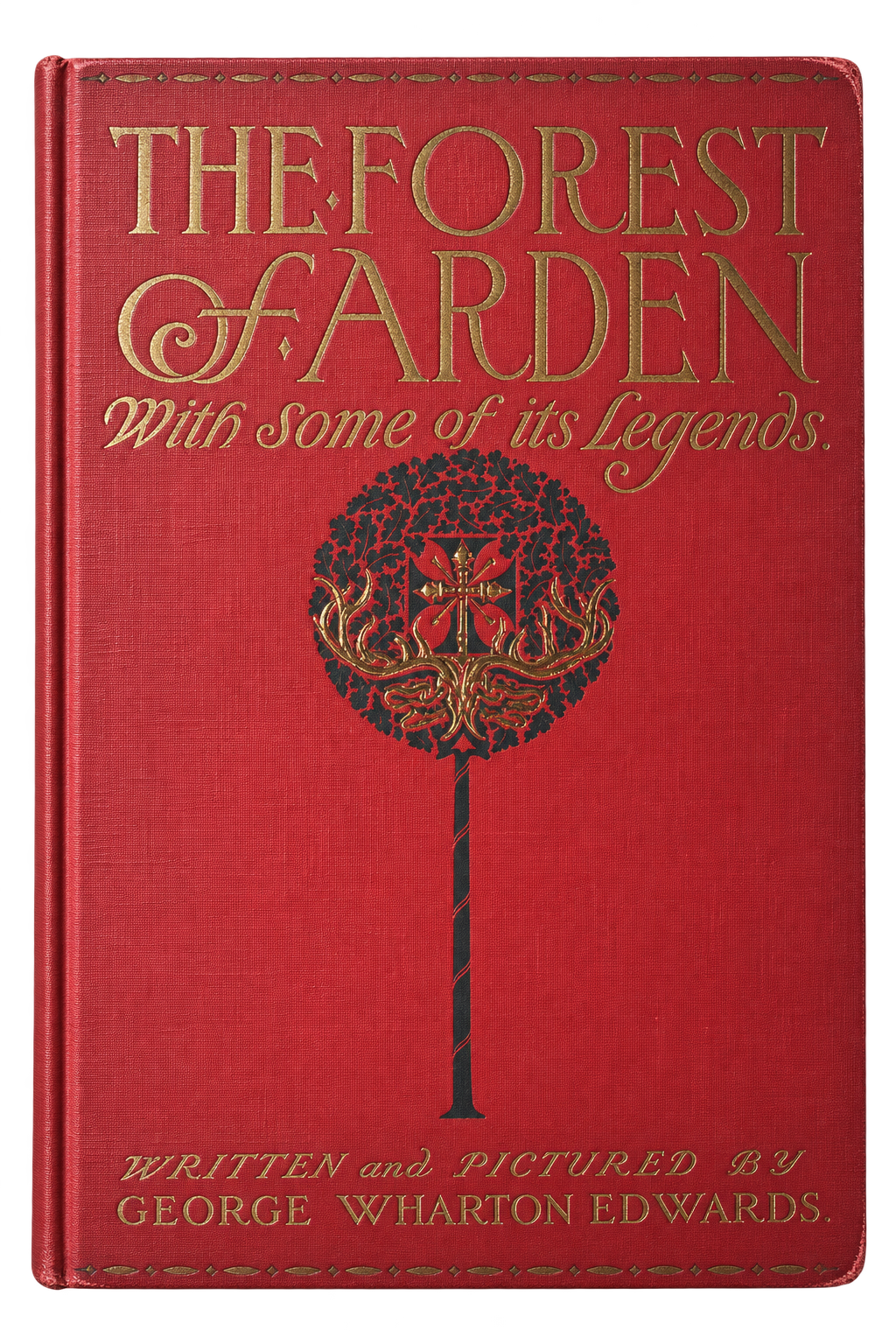
Illustrated travel books became a speciality around 1910. His subjects included European towns, buildings and regional histories, with further volumes on major cities. The career brought together the painter’s selection of a view, the illustrator’s attention to publication and the writer’s arrangement of historical and descriptive material. The Forest of Arden, published in 1914, explicitly credits Edwards as both author and illustrator.
A journey between observation and legend
The opening conversation places two ideas of Arden beside one another. Lady Anne thinks of England, while the narrator directs her attention toward Belgium. This is the book’s literary framing of its journey, rather than a settled identification of Shakespeare’s landscape. A dog-cart passing outside also competes with the narrator’s wish to explain the place through his notes.
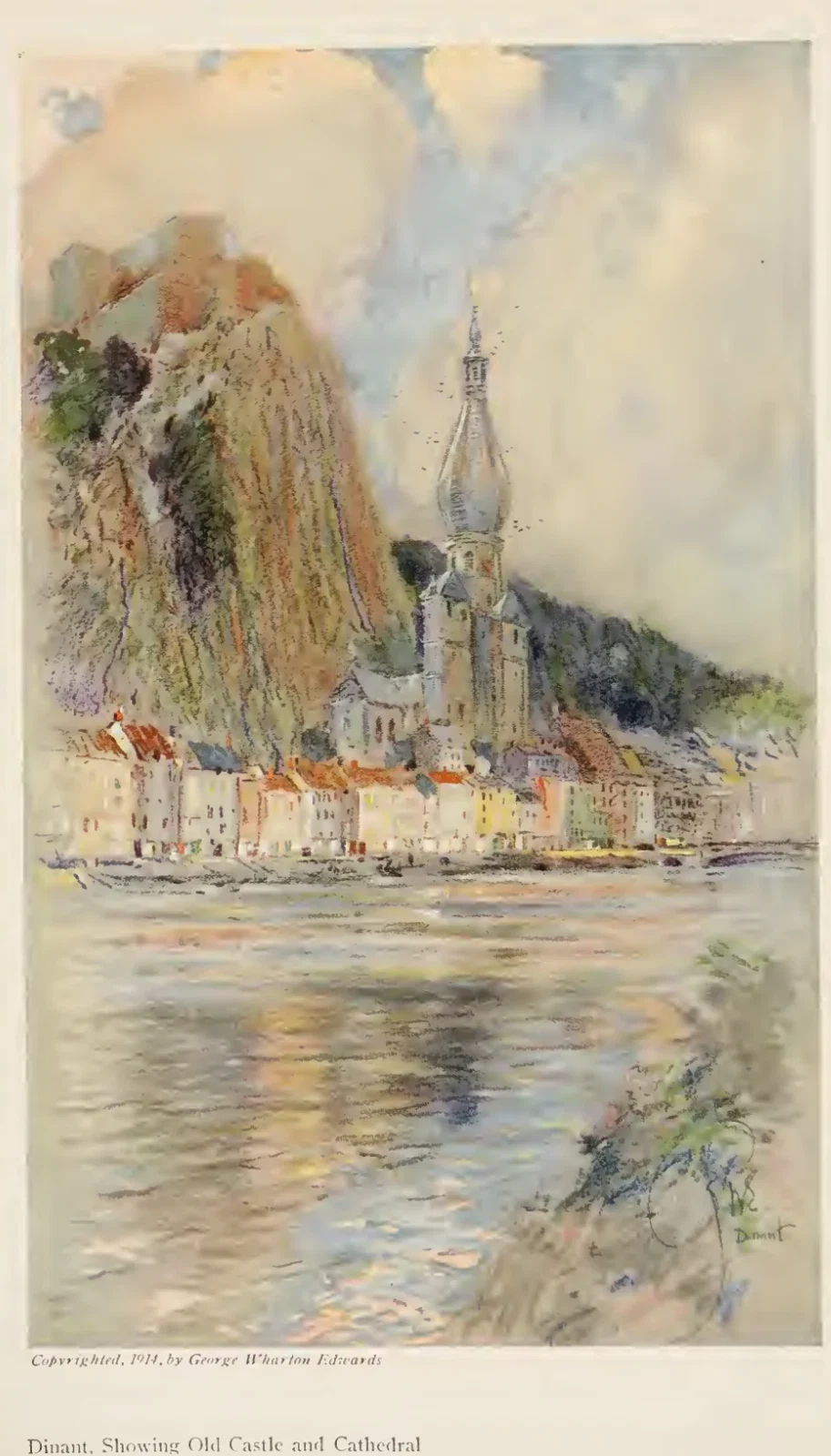
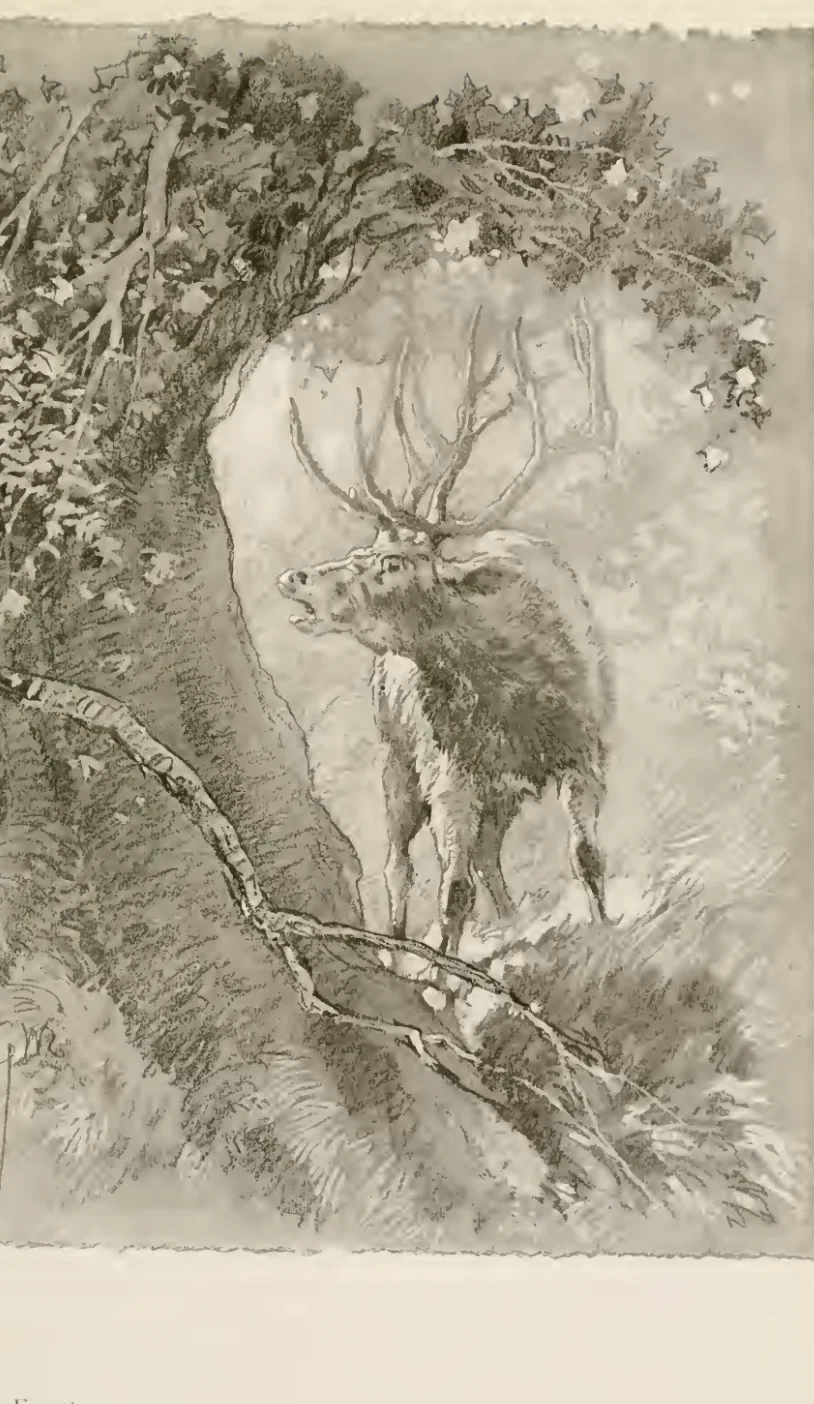
The travellers choose a horse-drawn diligence over faster transport, giving the changing road a part in the experience. Edwards’s coloured view of Dinant gathers buildings, water and a wooded height into a prospect; his stag image encloses an animal within trunks and branches. The contrast between town and woodland supports a book moving among observed places, local legends and the expectations travellers bring to them.