From St Vincent to Scandinavian studies
Dasent was born on 22 May 1817 in St Vincent, then a British colony in the Caribbean. His father, John Roche Dasent, was the island’s attorney-general; his mother was Charlotte Martha Irwin. Sent to England for his education, he attended Westminster School and King’s College London before entering Magdalen Hall, Oxford, in 1836. He graduated in classics in 1840.
A post as secretary to the British envoy Sir Thomas Cartwright took him to Stockholm in the early 1840s. During his years in Sweden, encouragement from Jacob Grimm helped turn his interest toward northern languages, mythology and narrative. His translation of the Prose or Younger Edda appeared in 1842, dedicated to Thomas Carlyle. A version of Rasmus Rask’s Icelandic grammar followed in 1843.
Newspaper work and the long labour of translation
Returning to England in 1845, Dasent joined The Times as assistant editor under John Thadeus Delane, a close friend from his student years. In 1846 he married Delane’s sister Fanny Louisa. Newspaper work occupied much of his time, but he continued translating, reviewing books and pursuing legal studies. He was called to the bar in 1852 and became professor of English literature and modern history at King’s College London in 1853.
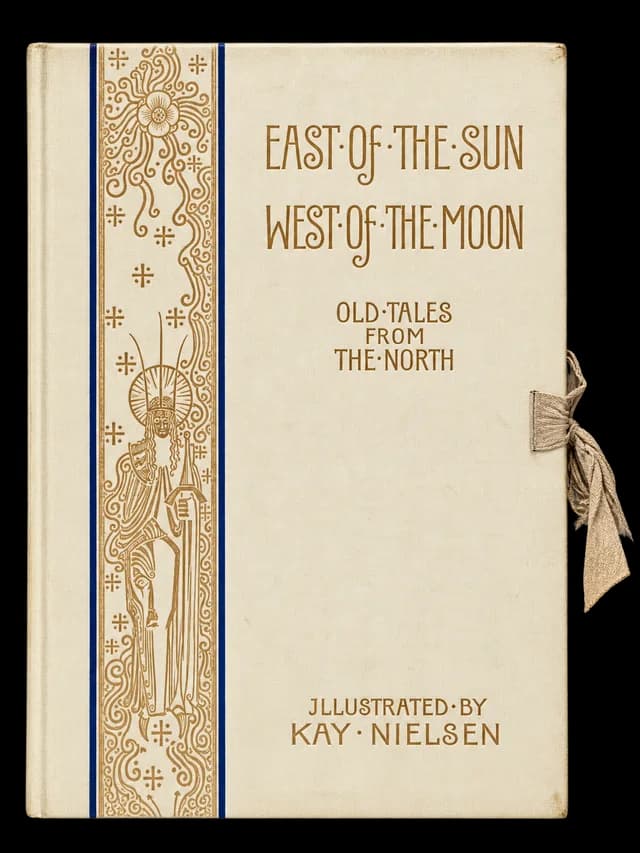
Dasent’s version of The Master Thief appeared in Blackwood’s Magazine in November 1851. Popular Tales from the Norse followed in 1859, translating stories collected by Peter Christen Asbjørnsen and Jørgen Moe. His long introductory essay argued for the movement of folk tales from Asia to northern Europe. The translation and the theory of their origins were distinct parts of his project.