An engraver becomes an Assyriologist
Smith taught himself cuneiform while working as an engraver and studying tablets at the British Museum. He joined the museum staff, where recognising and matching fragments became central to his work. In 1872 he announced his identification of a Babylonian flood account, now recognised as part of the Epic of Gilgamesh.
The discovery attracted public interest and support for travel to Mesopotamia. The Daily Telegraph sponsored his first expedition in 1873; further journeys followed under British Museum auspices. He died at Aleppo in 1876 during this work. His short career connected close examination in a museum with the search for additional objects and texts in the field.
An argument assembled from fragments
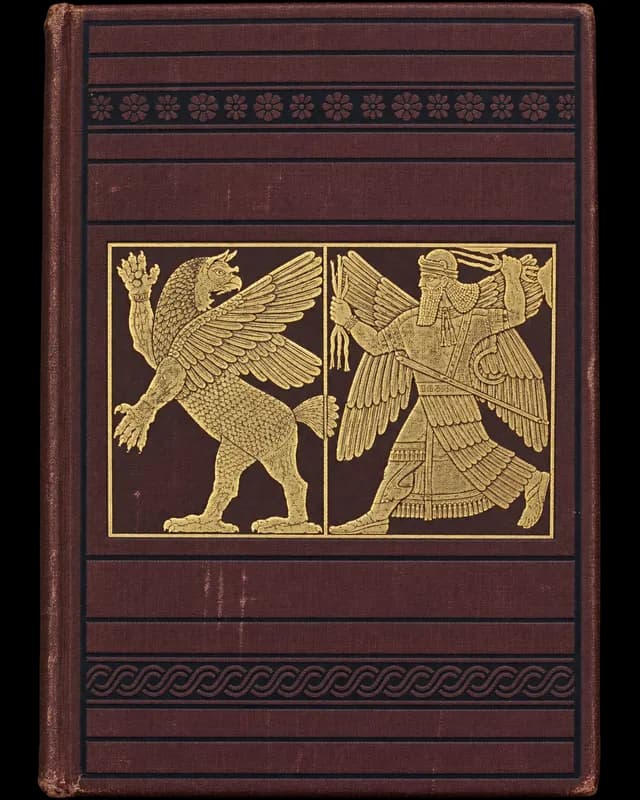
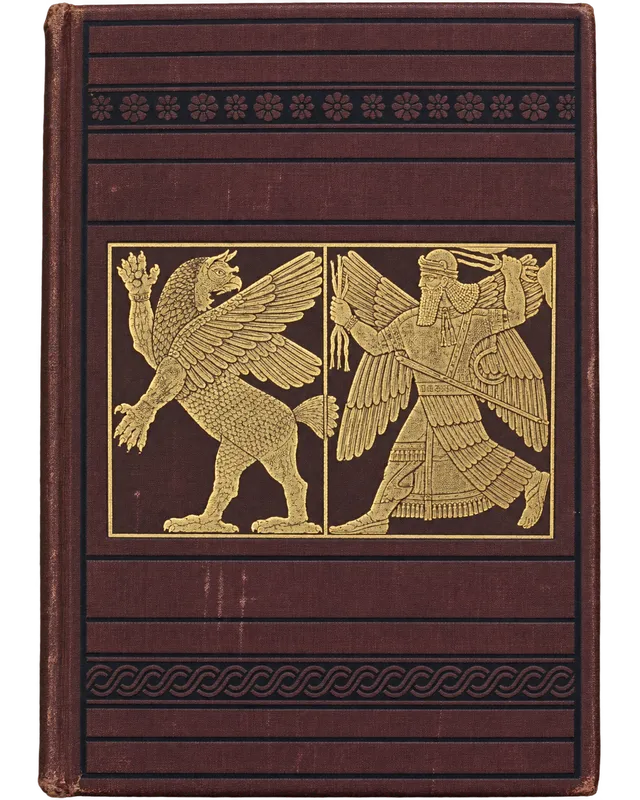
The Scribner, Armstrong printing here is dated 1876 and credits Smith. It is an early version of The Chaldean Account of Genesis, rather than the later revision associated with A. H. Sayce. Smith’s introduction describes copying, joining and translating material while new fragments continued to arrive, including one omitted as the book went to press.
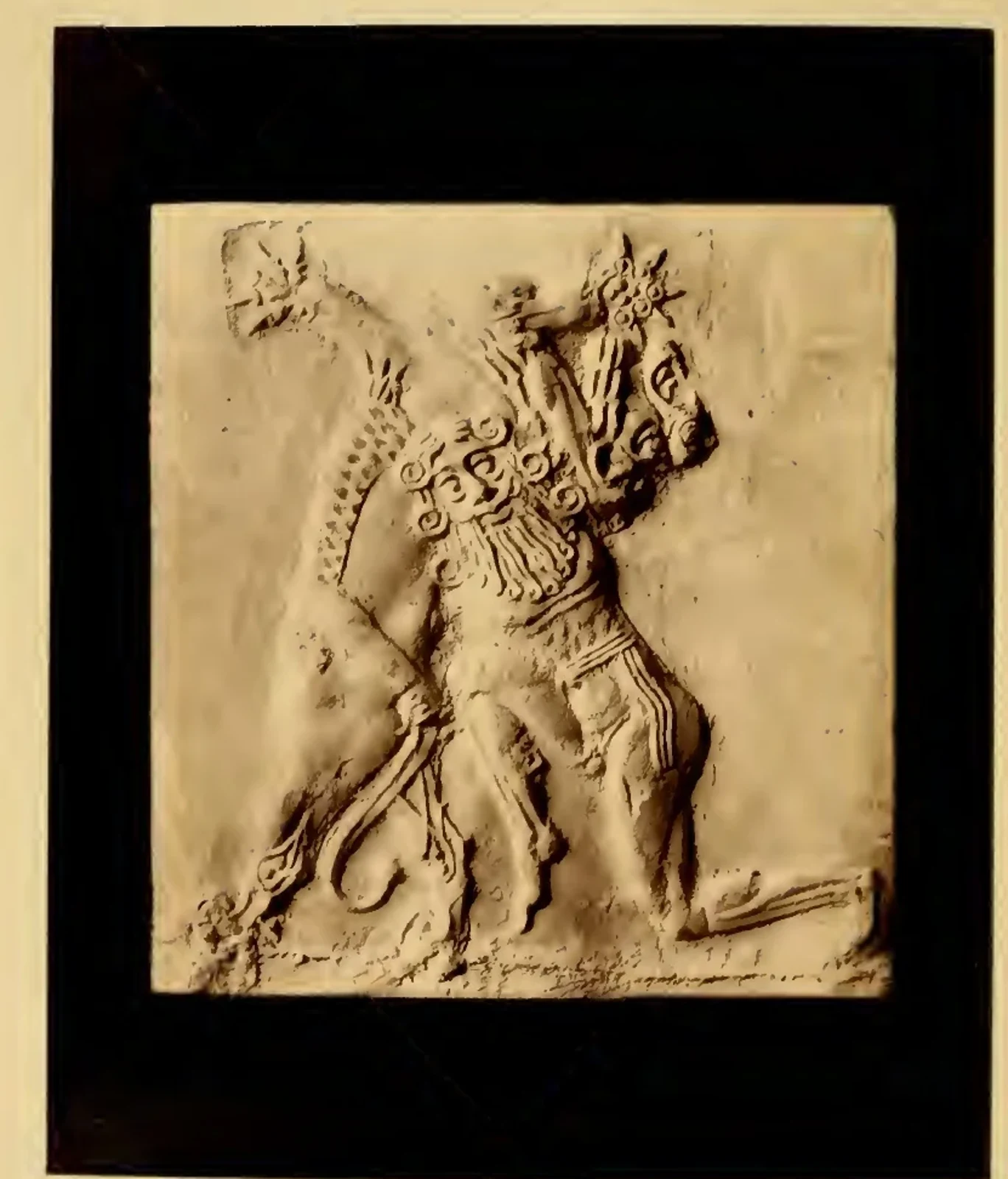
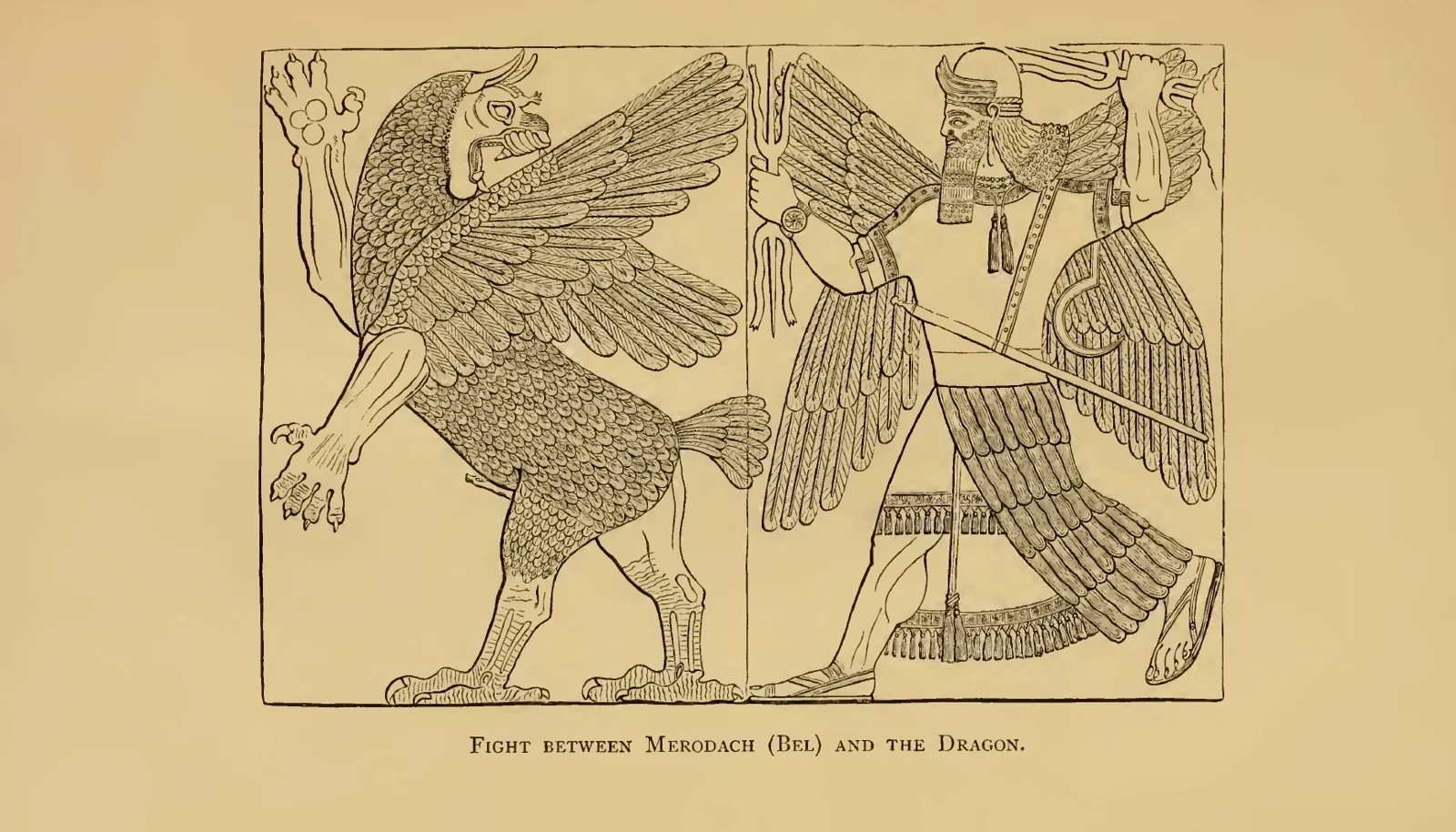
His title frames the traditions through comparison with Genesis. Creation stories, divine figures and the material then called the Izdubar legends appear within that framework; Izdubar is an older reading in the history of identifying Gilgamesh. The illustrated tablets and proposed sequences show how interpretation depended on physical joins and incomplete inscriptions. The book preserves an important stage of discovery, with provisional conclusions that should remain distinct from later understandings of the texts.