Imperial service and religious interests
Younghusband’s early career combined military service with journeys across Asia and political work on the frontiers of British India. In 1903–04 he led the British expedition into Tibet, which became an invasion. He later lived in Kashmir and served as president of the Royal Geographical Society. His writing grew from travel conducted within these imperial institutions.
Religious questions became an increasing part of his public work. He helped establish the World Congress of Faiths in 1936, seeking fellowship among people of different religions rather than the creation of a single new creed. The institutional history records this aim alongside the spiritual experiences that helped motivate him. It is a later strand of a life also marked by coercive imperial action.
A region described alongside paintings
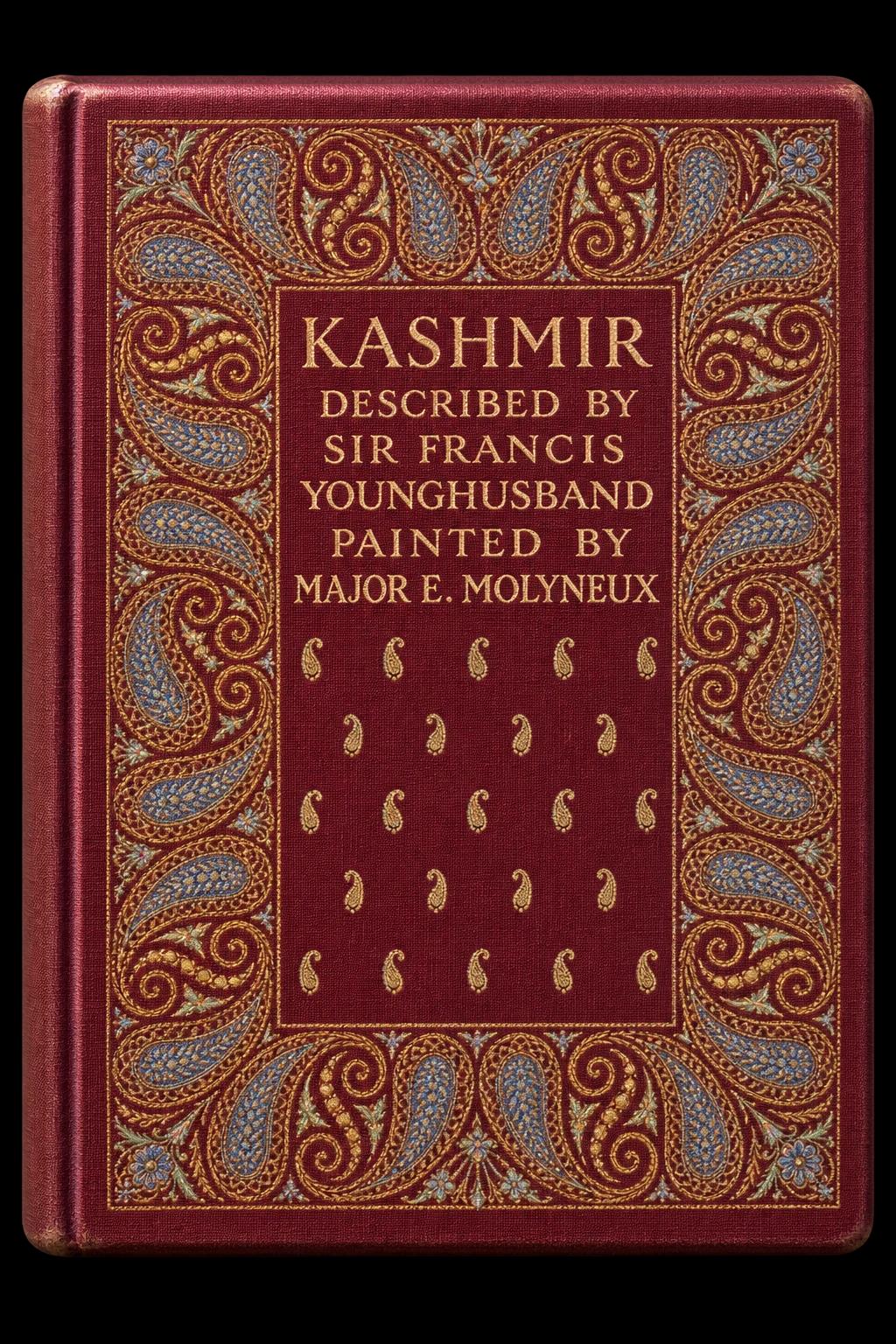
Kashmir began with Molyneux inviting Younghusband to collaborate on a book around his pictures. Younghusband’s preface acknowledges the limits imposed by official duties. The volume ranges from scenery to history, government, sport and mountains, presenting the region through selected activities and viewpoints.
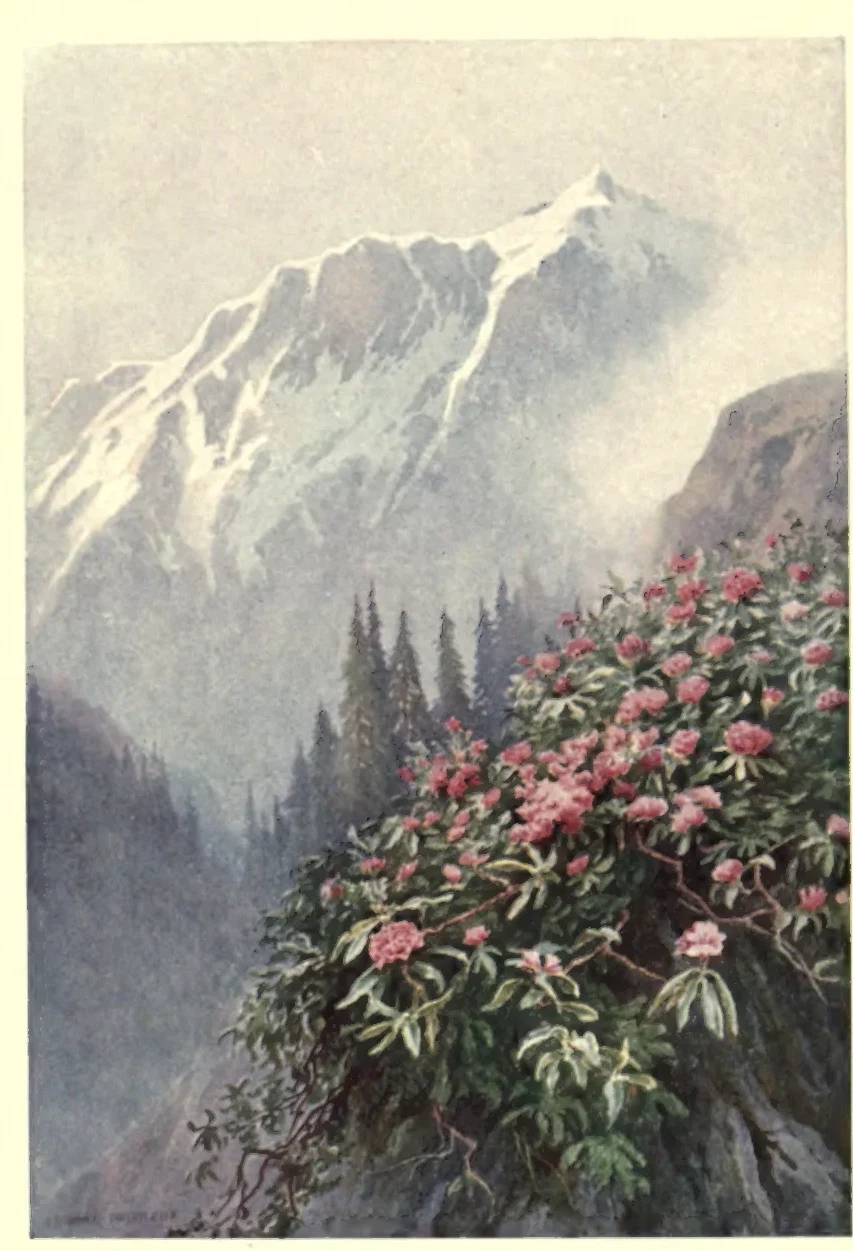
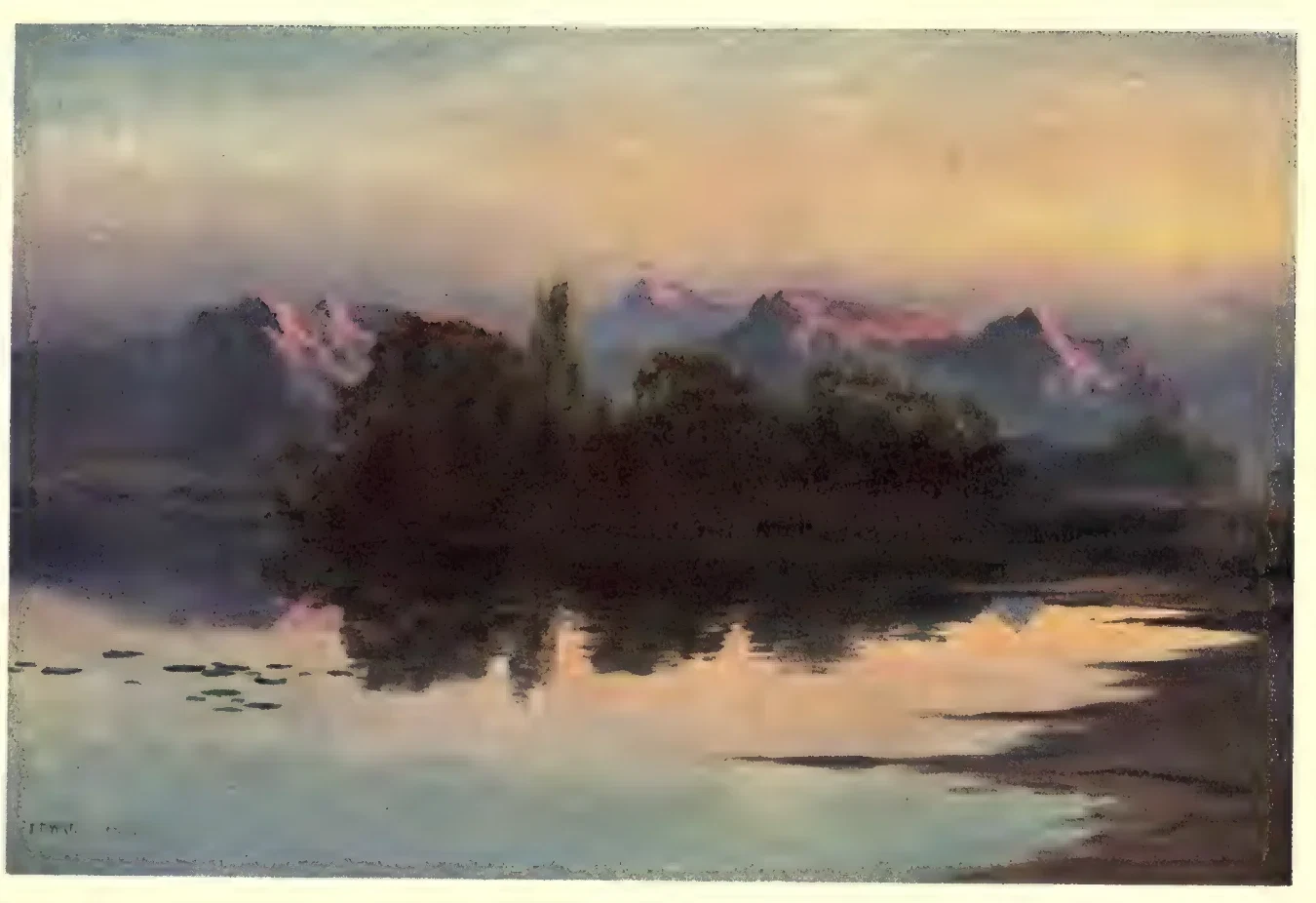
The copy here is the August 1911 reprint of a work first published in 1909. Landscape appreciation sits beside discussions of shooting, trout fishing and the difficulties of measuring mountain heights. A place can become a view, a resource or an object of calculation within the same book. Younghusband’s prose and Molyneux’s paintings contribute different forms of attention, both situated within British imperial life in the region.