Life and career
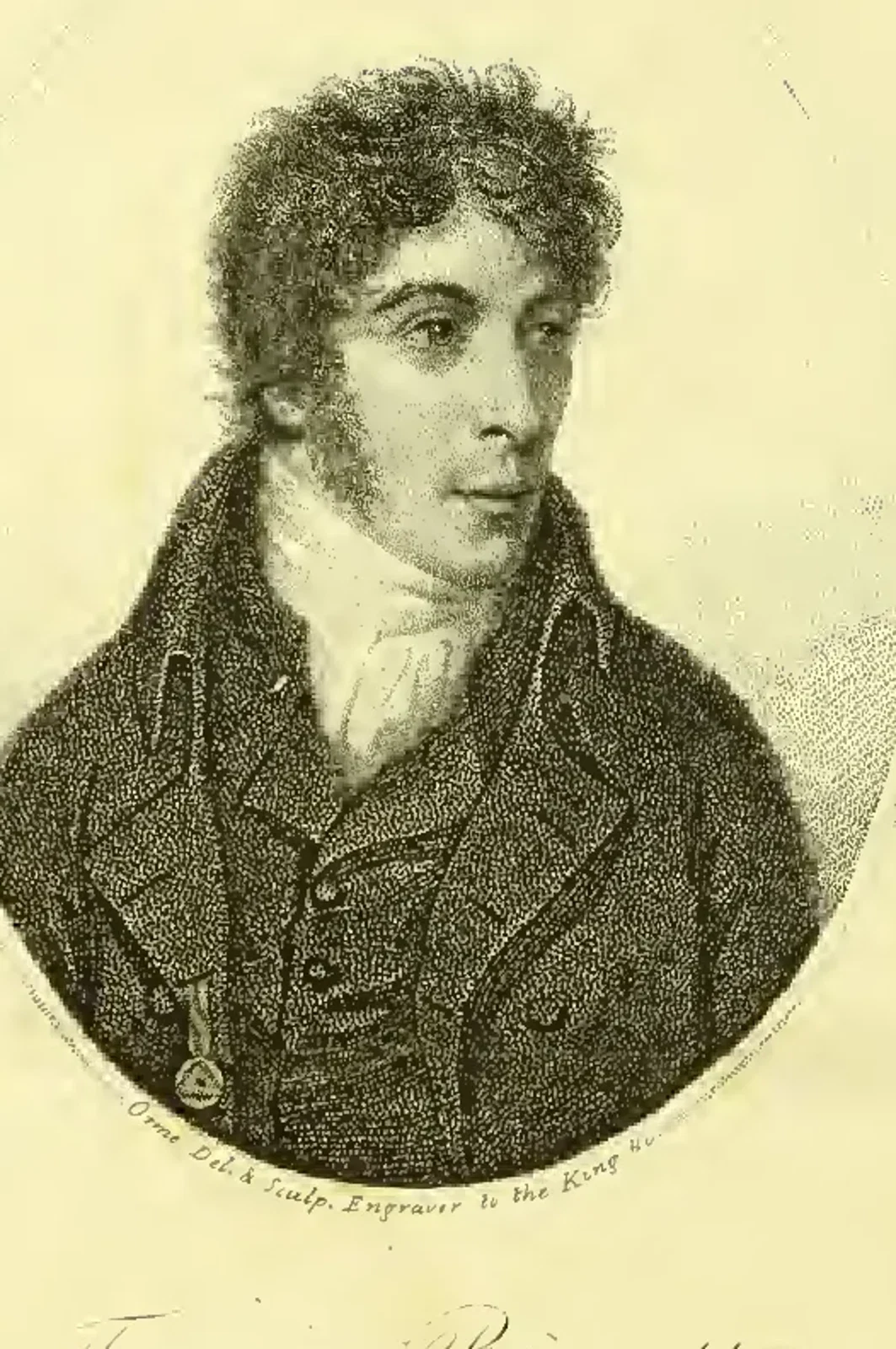
Francis Barrett is easiest to locate in early nineteenth-century London through the things he put before the public. In 1801 his portrait appeared in The Magus, the large illustrated work he had assembled. He advertised instruction to a small number of prospective pupils at an address in Marylebone. His own surviving manuscript work on chemical subjects places another part of his activity outside the volume that made his name.
The following summer he attracted newspaper attention for an altogether different undertaking. Barrett attempted to organise balloon ascents, securing help from the Portuguese consul-general. Press reports preserve the ambitions and disappointments of the venture in considerable detail. The dates of his birth and death have proved far harder to establish than these few public years as a teacher, compiler and aspiring aeronaut.
Work and ideas
In The Magus Barrett brought early modern writers on occult philosophy back into print for an English readership. He drew extensively on Agrippa and on Robert Turner’s English version of the Heptameron. Their writing supplied much of the intellectual and practical substance. Barrett’s contribution included the selection of material, its arrangement as a course and the extraordinary visual character of the finished book.
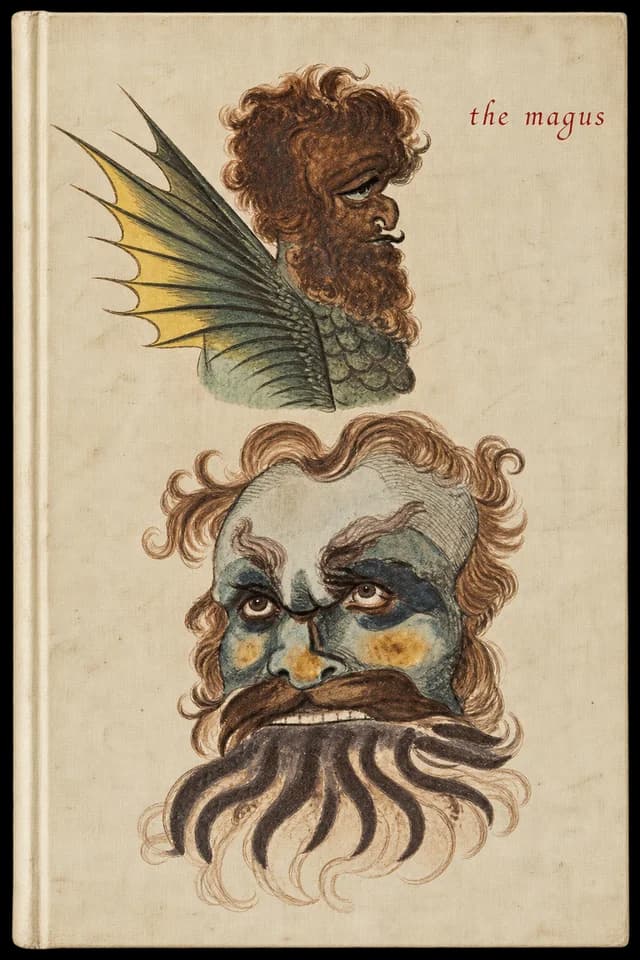
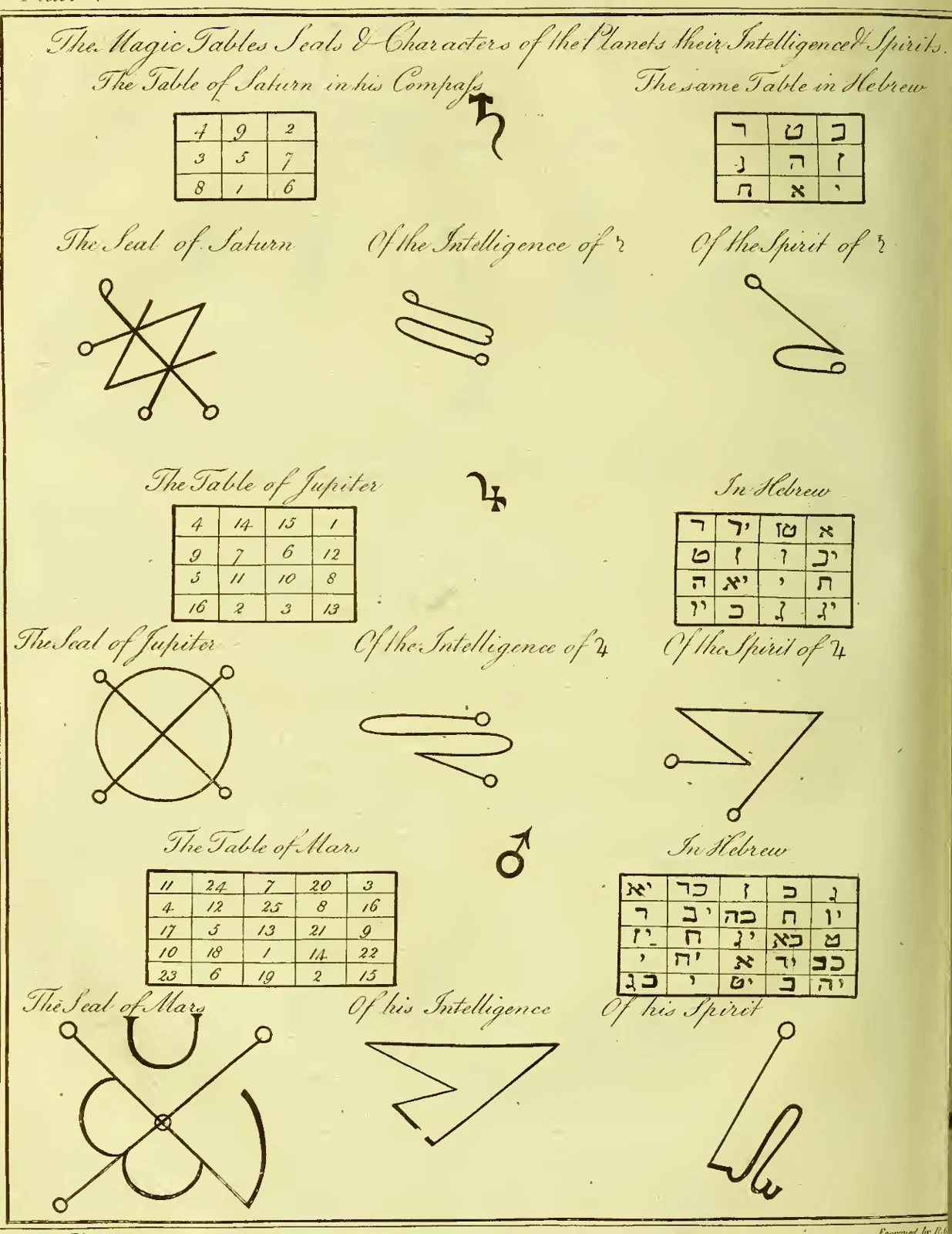
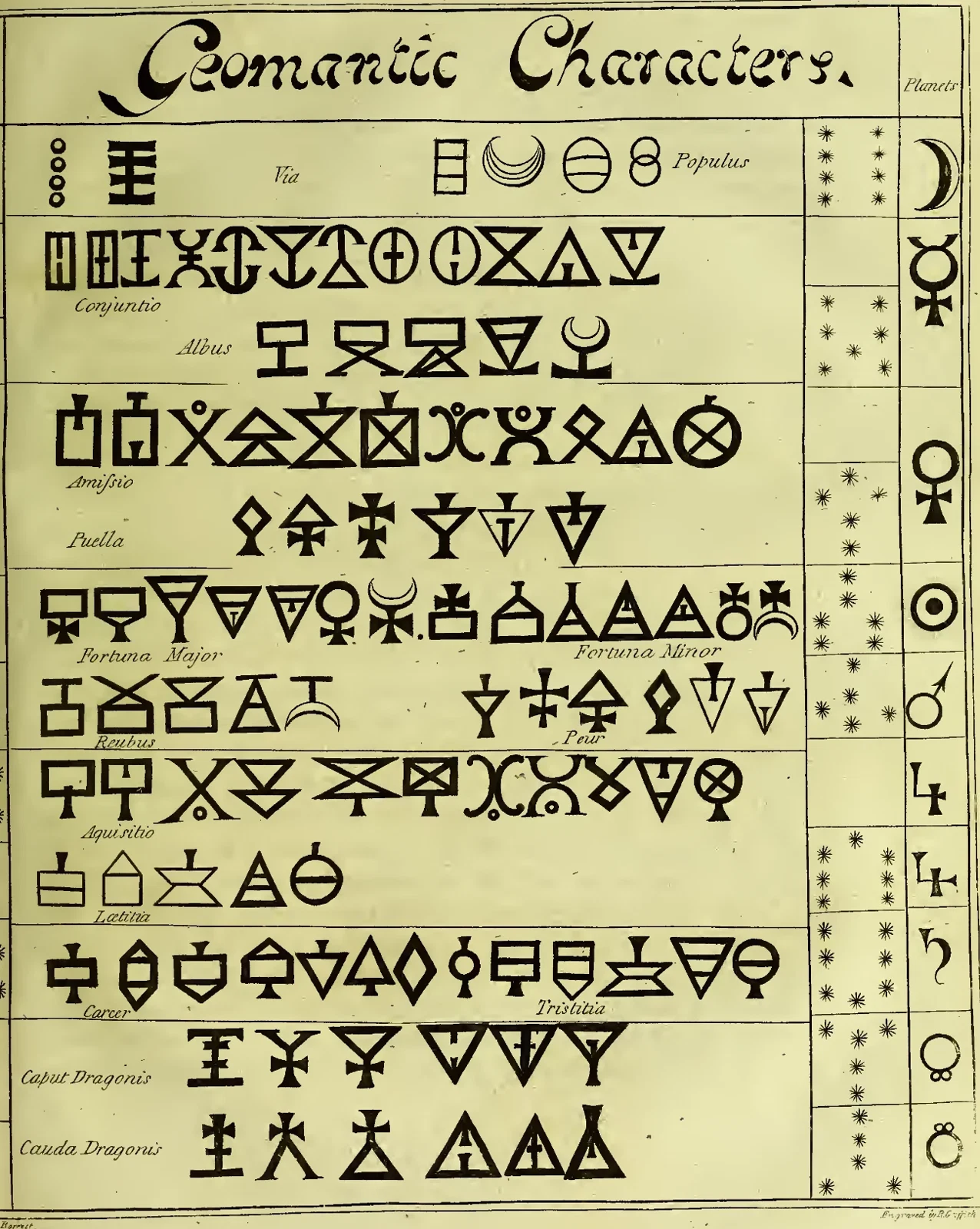
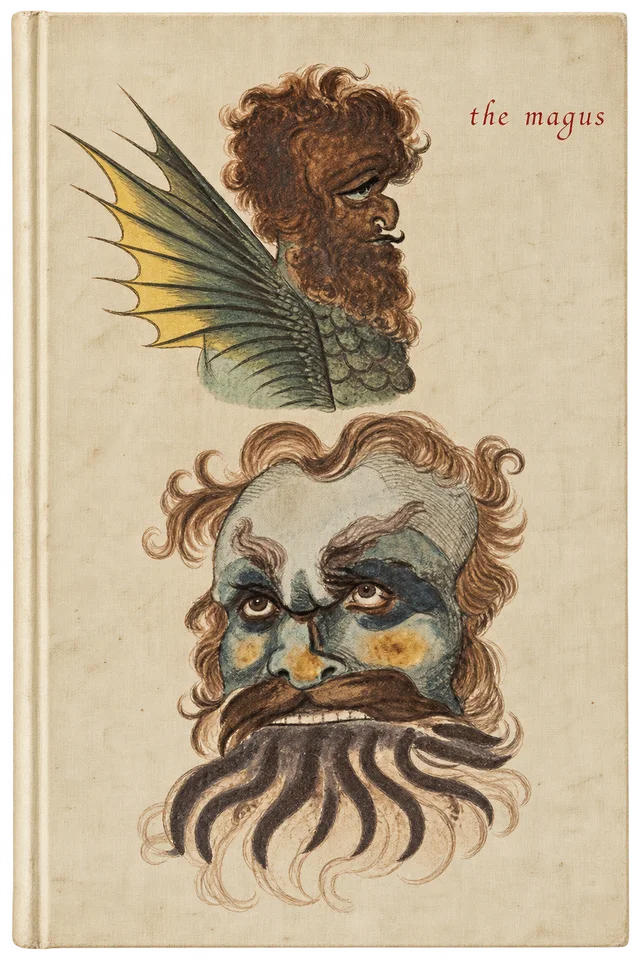
Several plates portray spirits as individual heads with sharply distinguished features. A surviving copy identifies Barrett as designer and R. Griffith as engraver of the heads of evil demons. Other pages employ tables, letter forms and diagrams. These different kinds of image helped a publisher turn inherited and often elusive material into objects that a pupil could examine on the page.