Public office and the reform of learning
Bacon studied at Trinity College, Cambridge, before entering law and parliamentary life. He rose through legal and government offices to become Lord Chancellor in 1618. Charges of corruption ended his public career in 1621. Retirement gave more time to philosophical and literary projects, although he continued to hope for a return to political influence.
His programme for renewing knowledge sought more than a revised collection of doctrines. Inquiry into nature should become systematic, collaborative and useful to human life. This ambition linked methods of investigation with questions about institutions and the distribution of knowledge. New Atlantis places those concerns within a fictional community rather than presenting them solely as philosophical argument.
The island and the collected edition
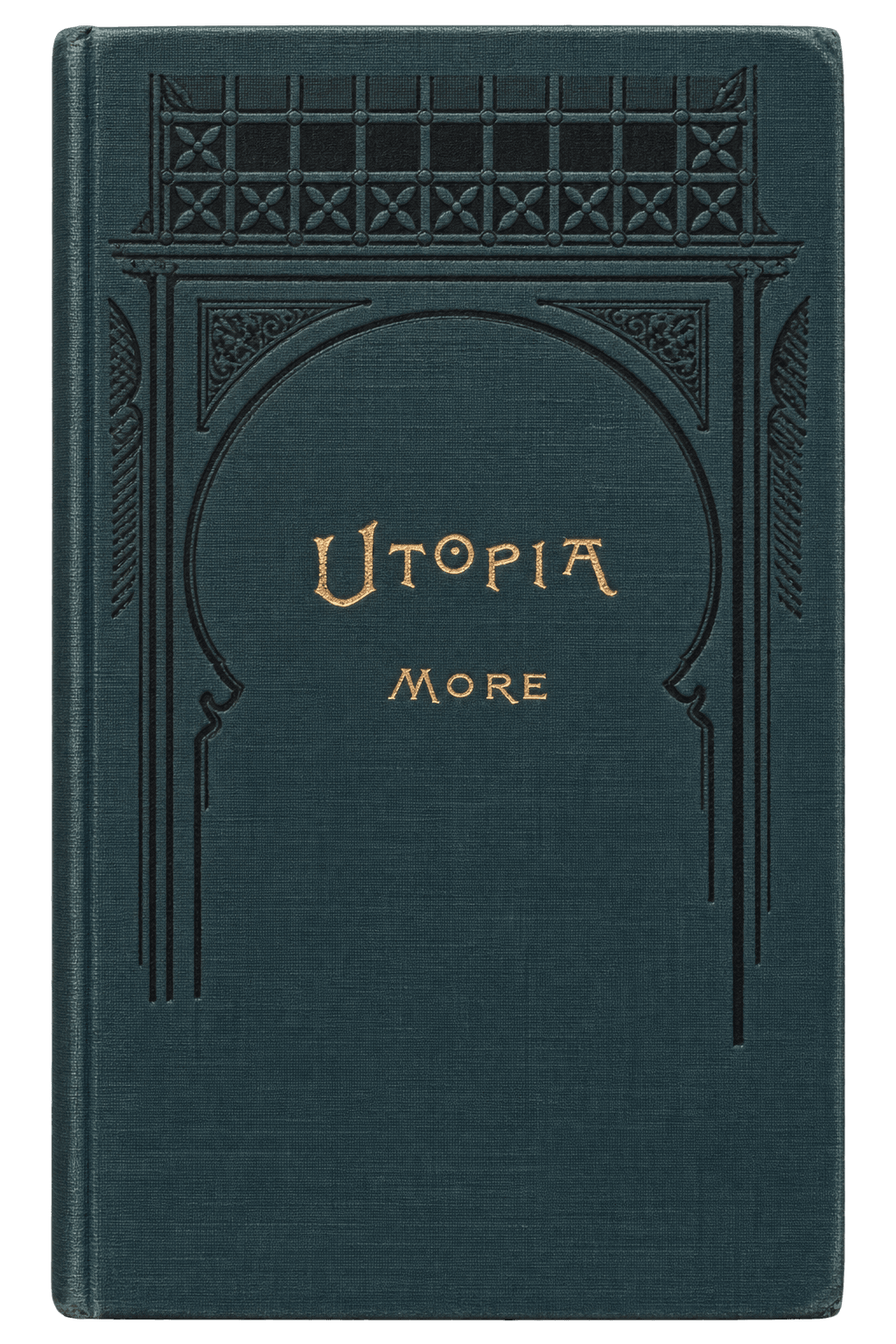
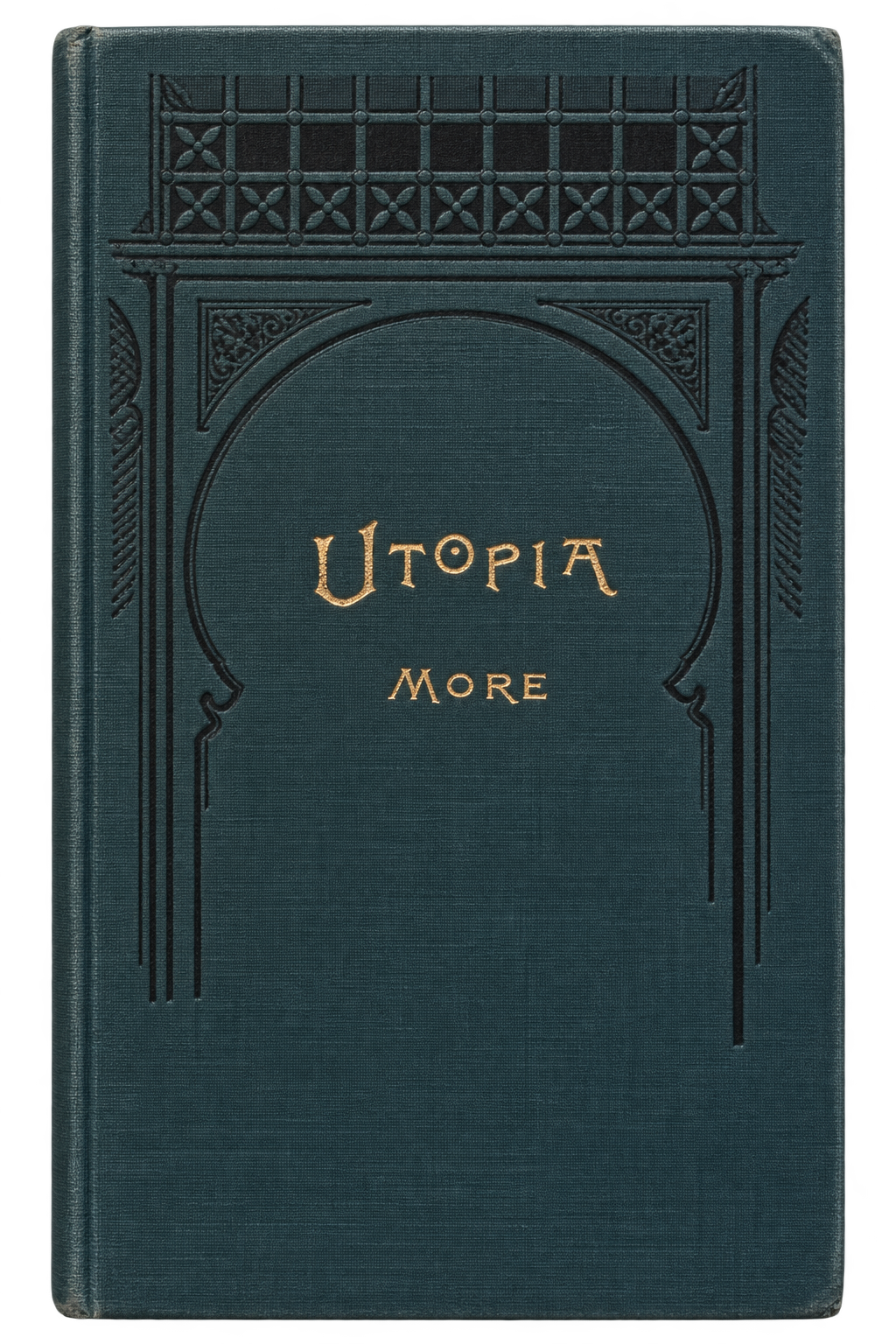
The volume held here is titled Utopia, but its 1852 title page separates the contributions: Thomas More wrote Utopia, Bacon wrote the added New Atlantis, and J. A. St. John supplied an analysis of Plato’s Republic and notes. The book brings different imagined societies into one nineteenth-century editorial setting.
In New Atlantis, visitors wonder how Bensalem can know their languages and affairs while remaining hidden from them. Near the end, selected inventions are made public and the visitor receives permission to publish his account. Discovery and circulation are therefore different decisions within the story. The unfinished narrative leaves open questions about who controls useful knowledge and on what terms it should be shared.