From Brooklyn to a literary career
Born Florence Guertin in Brooklyn in 1869, Tuttle was the daughter of Pierre A. Guertin, a merchant who had emigrated from Canada, and Lucy Henry. She attended the Nassau Institute. Reading and writing became enduring interests, and her early work found a place in the magazine fiction market.
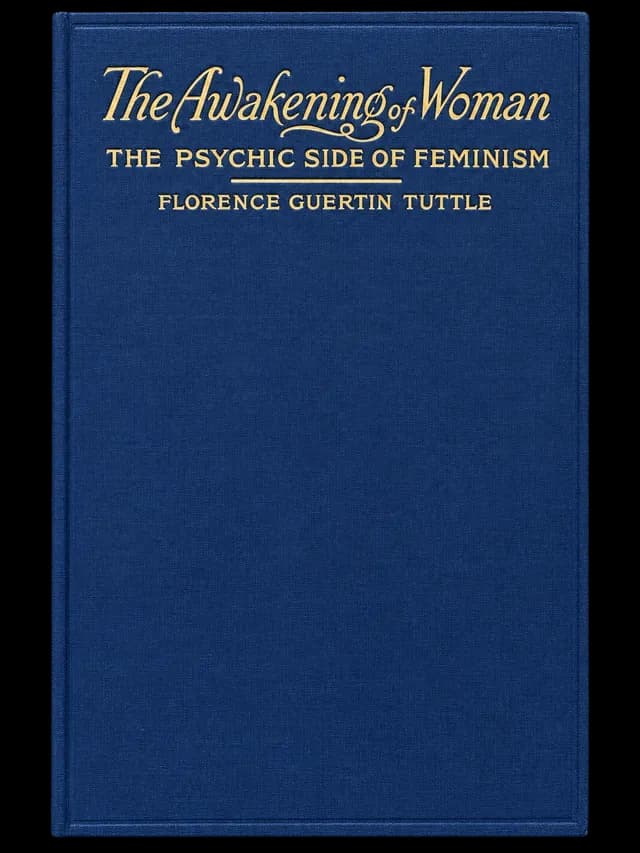
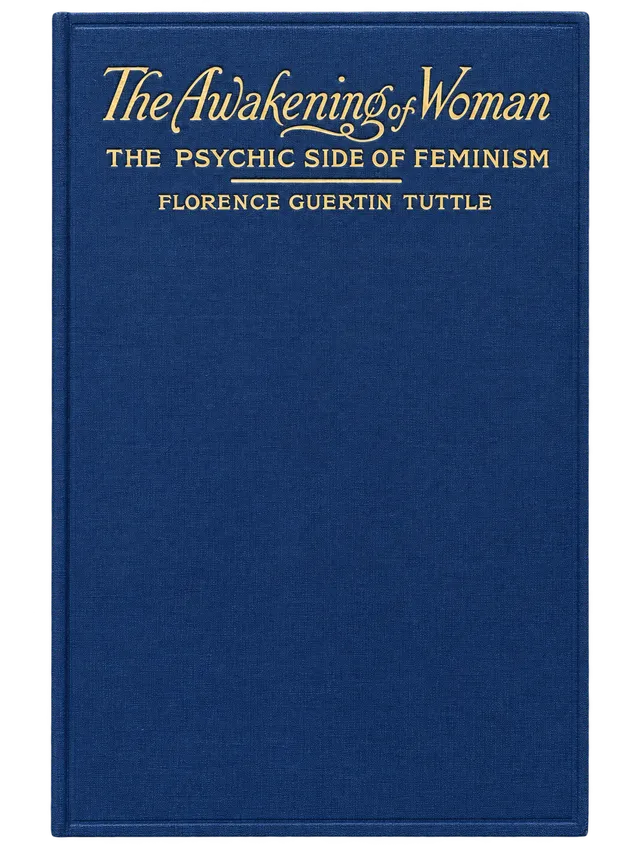
In April 1897 she married Frank Day Tuttle, a Brooklyn coal merchant. They had two sons, Frank Day and Winslow Guertin. She later dedicated The Awakening of Woman to her sons, identifying their companionship and needs as a source of her growing sense of responsibility.
Her stories appeared in periodicals including McClure’s, The Black Cat and Munsey’s. A collection, Give My Love to Maria, followed. Women’s clubs also contributed to her intellectual life: she belonged to the Avitas Club, where public discussion brought her into contact with the wider movement for women’s advancement.
Women’s advancement and the search for peace
Tuttle’s feminism extended beyond access to the ballot. Her writing connected education, meaningful work and the freedom to develop individual abilities with women’s influence on family and civic life. She also supported birth control, an interest that intersected with the eugenic language of her period.
The First World War gave international affairs a larger place in her work. She became associated with the Woman’s Peace Party and subsequently promoted organized cooperation between governments. Women and World Federation, published in 1919 with a foreword by William Howard Taft, addressed women as participants in building a durable international peace.