Medicine, business and Spiritualist advocacy
Crowell was born in New York around 1817, the son of a Methodist minister. He qualified in medicine at the University of New York in 1842 and practised in New York before moving to San Francisco. His Californian career included the wholesale drug business, charitable work and service as a city supervisor. He later returned east and settled in Brooklyn.
Contemporary accounts describe mesmerism as the route by which he moved from materialism to Spiritualism. His major writings included The Identity of Primitive Christianity and Modern Spiritualism, arguing that biblical spiritual gifts and modern mediumistic phenomena belonged to the same religious history. He also answered critics who associated Spiritualism with insanity. He died in 1894.
A detailed geography of the afterlife
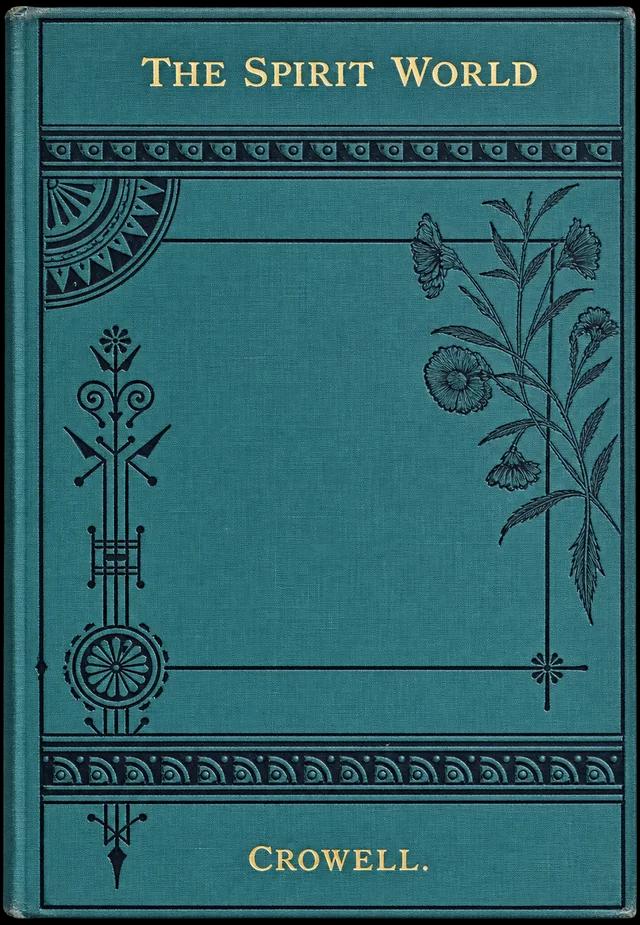
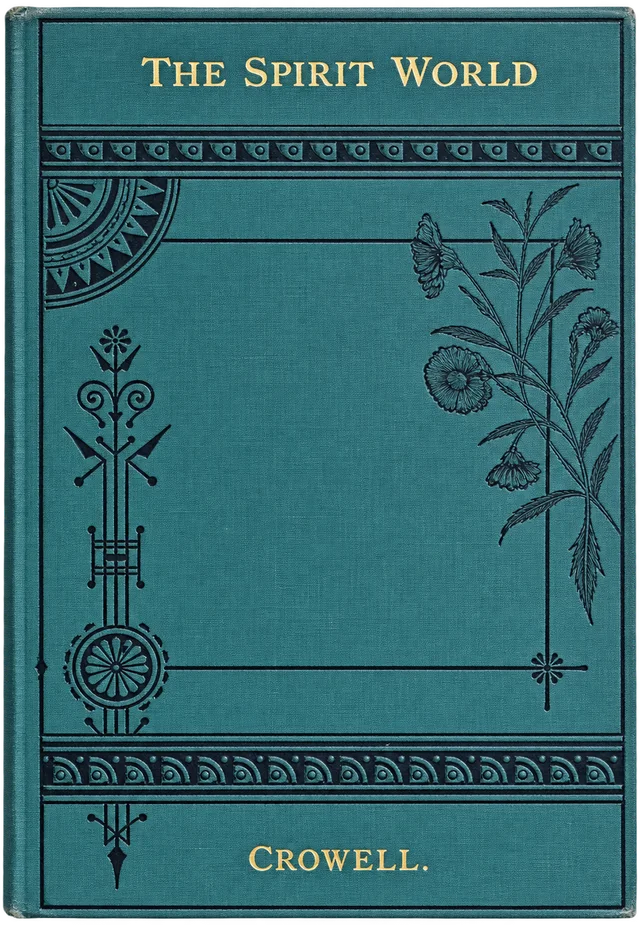
The Spirit World: Its Inhabitants, Nature, and Philosophy was published by Colby and Rich in Boston in 1879. Crowell describes spirits with bodies, homes, work, family relationships and opportunities for development. He organises the afterlife into spheres, with moral condition shaping experience and progression. His account also carries nineteenth-century racial assumptions into separate descriptions of peoples and their heavens.
In the introduction he identifies Charles B. Kenney of Brooklyn as the medium, with purported communications from Crowell’s father, Robert Dale Owen and others. He explains why he trusted their identities and admits that some teachings differ from his earlier book. Personal confidence in the medium and repeated sittings supply his principal warrant. The volume is therefore a systematic account of his Spiritualist convictions and reported experiences, rather than independently established knowledge of life after death.