Medicine, prisons and the limits of the record
Laurent worked as an intern at the central infirmary of the Paris prisons. His Les habitués des prisons de Paris appeared in 1890 with a preface by Alexandre Lacassagne. The book examined prisoners through the anthropology and psychology of its period, including their drawings and the meanings he assigned to them. His professional interests therefore extended beyond the occult subjects for which later English readers encountered his name.
Gabriel Tarde reviewed the prison study and supplied a preface to Laurent’s L’Année criminelle in 1891. Library records also identify medical writing on neurasthenia and sexuality. His publications preserve the outline of a professional career, but his early life and personal circumstances remain less securely documented. His birth and death dates have not been established with confidence.
Love, magic and a shared book
Vigot frères published L’Occultisme et l’amour in Paris in 1902 under Laurent’s and Nagour’s names. Its subjects include angels and demons, witchcraft, love potions, talismans, astrology and dreams. Their approach collects stories and beliefs from different periods rather than documenting one religious community or a single system of practice.
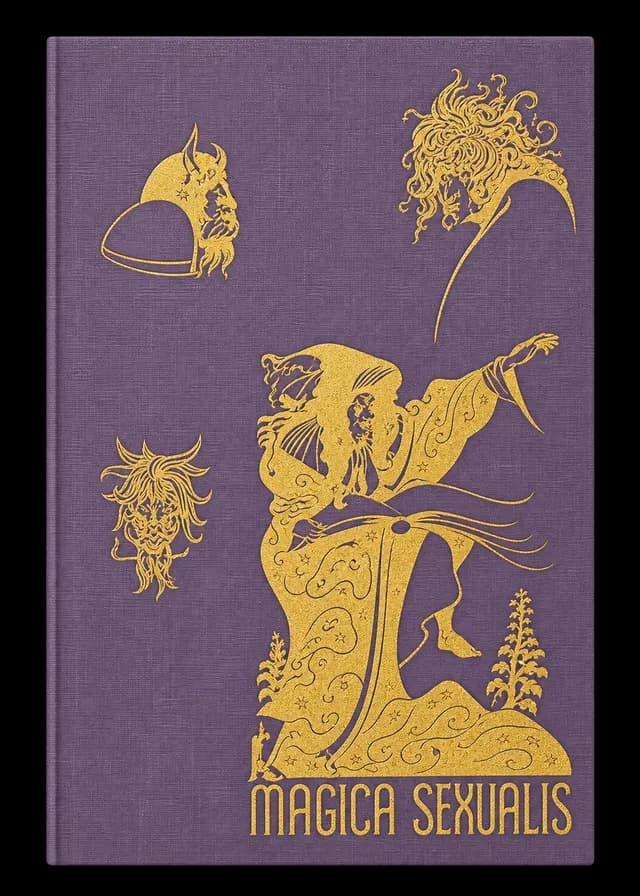
Magica Sexualis gave the collaboration an English title and a later publishing life. Lumitheca’s Falstaff Press copy credits both authors on its title page and signs its introduction with both names. Their survey places supposed supernatural interventions beside descriptions of human desire and behaviour. Its wide comparisons reveal the authors’ assumptions as well as the beliefs they collected.