The making of an Adventist leader
Born Ellen Harmon in Maine, White grew up in a Methodist family attracted to William Miller’s expectation of Christ’s imminent return. She began reporting visions in 1844. In 1846 she married James White, and their preaching, visits and publishing helped consolidate the movement that became the Seventh-day Adventist Church.
Her influence extended into education, health and the development of church institutions. Although she held no formal administrative office, her writings and counsel carried considerable authority among believers. Work in the United States and abroad helped give the movement an international outlook. Her prophetic status belongs to the faith of her followers and has also been the subject of historical debate.
A theological history of conflict
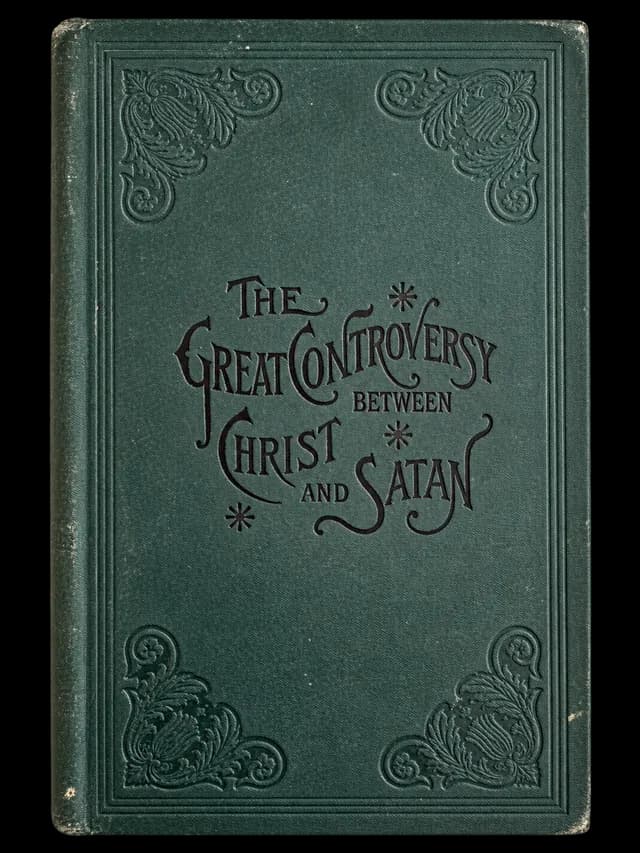
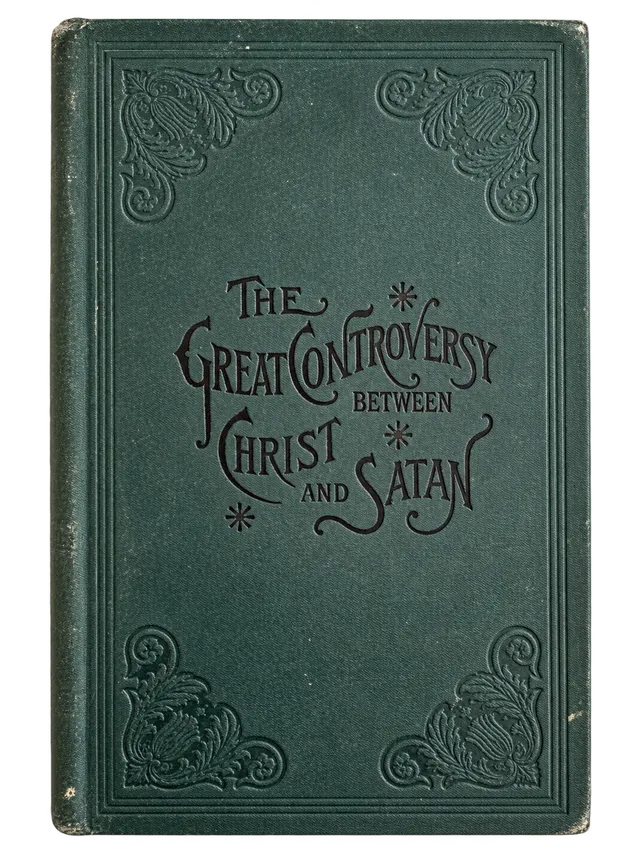
The Great Controversy follows a narrative from early Christianity through the Reformation and religious awakening towards prophecy and judgement. The held Pacific Press volume carries copyright dates of 1888, 1907 and 1911. Its structure joins accounts of people and events with White’s understanding of a larger spiritual struggle.
That interpretive framework gives earlier conflicts continuing significance and addresses the reader as a participant in an unfinished history. The book expresses a distinctively Seventh-day Adventist account of Christianity. Historical narration and prophetic interpretation are interwoven throughout, making its religious purpose essential to understanding both its urgency and the authority its readers have assigned to it.