A European background and a Californian audience
Gewurz came from a Jewish background in Galicia and was educated in Vienna. Accounts connect his early life with Kraków and his family with Dembitz. He spent time writing in Las Palmas before moving to the United States during the First World War. By 1915 he was lecturing at Krotona, the Theosophical community in Hollywood.
His later life included work as an assistant librarian in San Francisco and as a language teacher in Hollywood, before he settled in Ventura. His publications included The Diary of a Child of Sorrow and writings on Qabalah and Hebrew thought. He died in Ventura in 1947.
Transmutation and its limits as scholarship
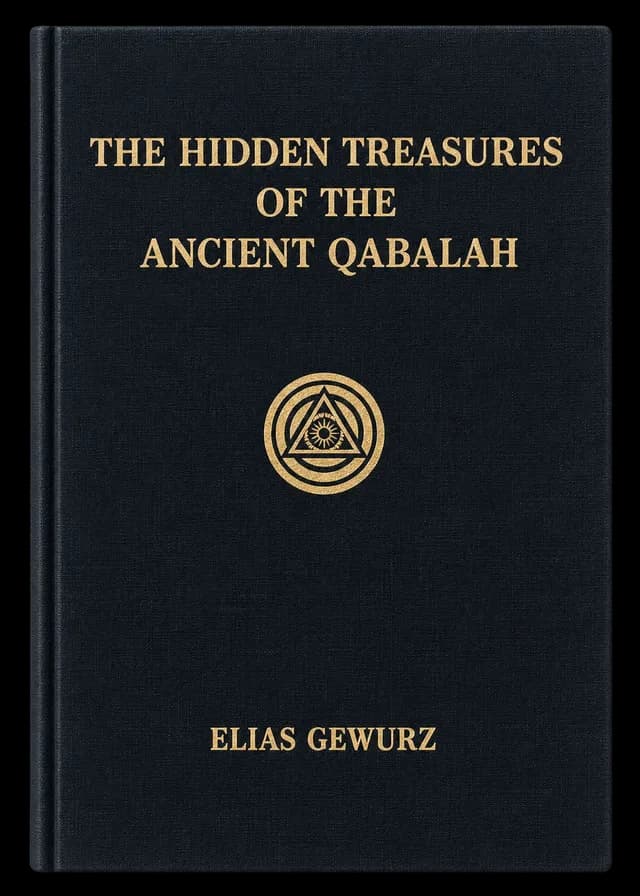
The held 1918 Yogi Publication Society edition of The Hidden Treasures of the Ancient Qabalah is subtitled The Transmutation of Passion into Power. Its preliminary pages identify lectures delivered at Krotona in 1915. Gewurz uses alchemical transformation as an image of the soul’s release from attachment, treating the human being as the vessel in which that change takes place. Knowledge, he argues, can cause harm unless directed by love and moral purpose.
The contents move through spiritual companionship, love, time and space, justice, mercy and regeneration. This is Gewurz’s synthesis of esoteric teachings, rather than a neutral account of Jewish mystical tradition. Gershom Scholem questioned its dating of Moses de Leon and sharply criticised the sources and purported quotations in another Gewurz book, Beautiful Thoughts of the Ancient Hebrews. The National Library of Israel preserves and discusses those annotations. His appeal as a spiritual teacher and the reliability of his historical claims are distinct questions.