An officer who painted
Molyneux joined the 3rd Dragoon Guards in 1887 and transferred to the Indian Staff Corps in 1891, serving with the 12th Bengal Cavalry. His military career included service on India’s North-West Frontier and in the South African War, where he was wounded. He received the Distinguished Service Order in 1901.
Painting developed alongside that career. His work was exhibited at the Royal Academy and received Viceroy’s gold medals in India. He died in India in 1913. The National Army Museum’s record establishes the identity of the officer and artist, distinguishing him from the fashion designer Edward Molyneux, who belonged to a later generation.
The pictures that prompted Kashmir
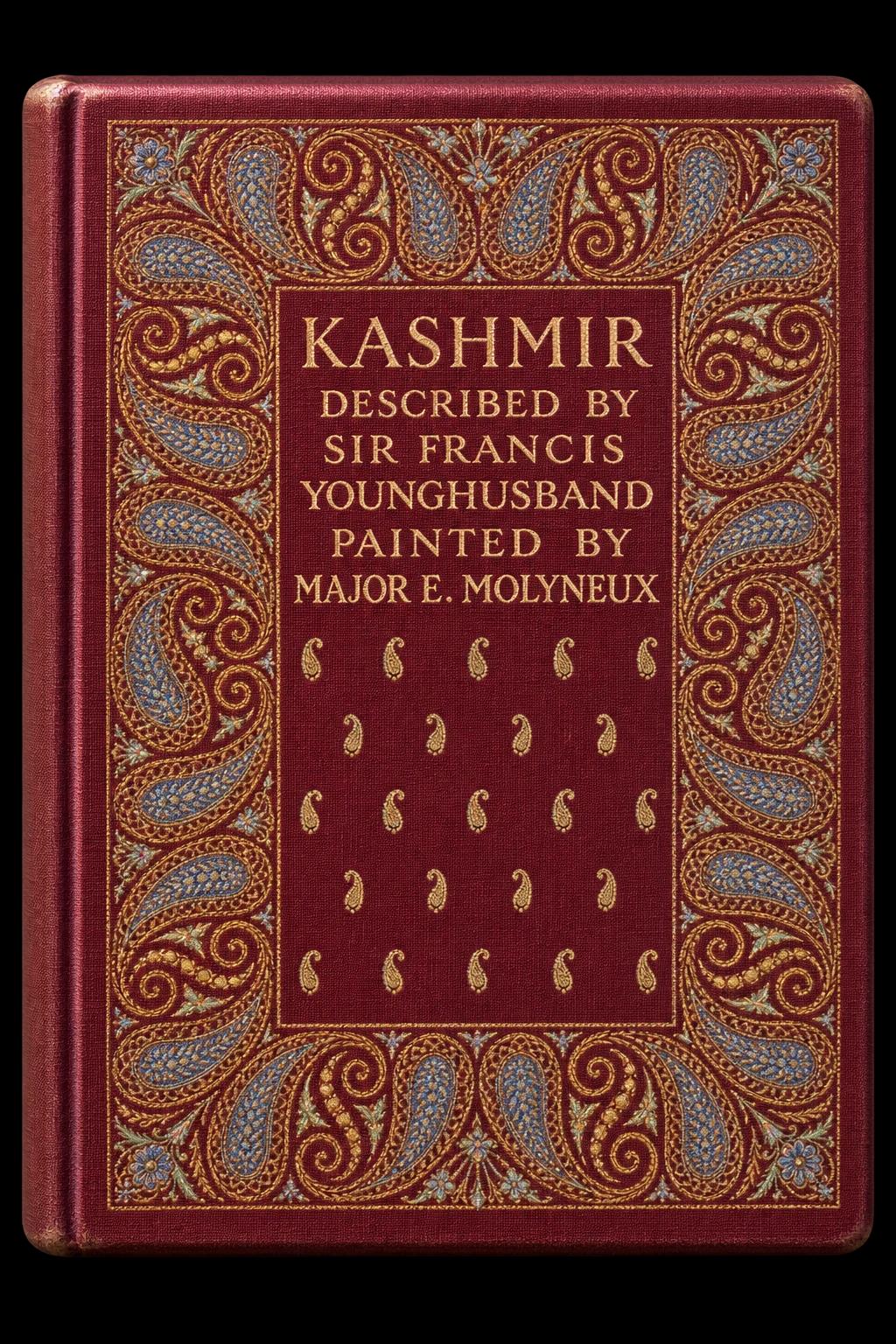
Younghusband’s preface explains that Molyneux invited him to collaborate on a book built around the paintings. The title separately credits the major as painter and Younghusband as writer. Both worked within British imperial structures, and their account offers a particular view of Kashmir rather than an impersonal or complete description of its people and places.
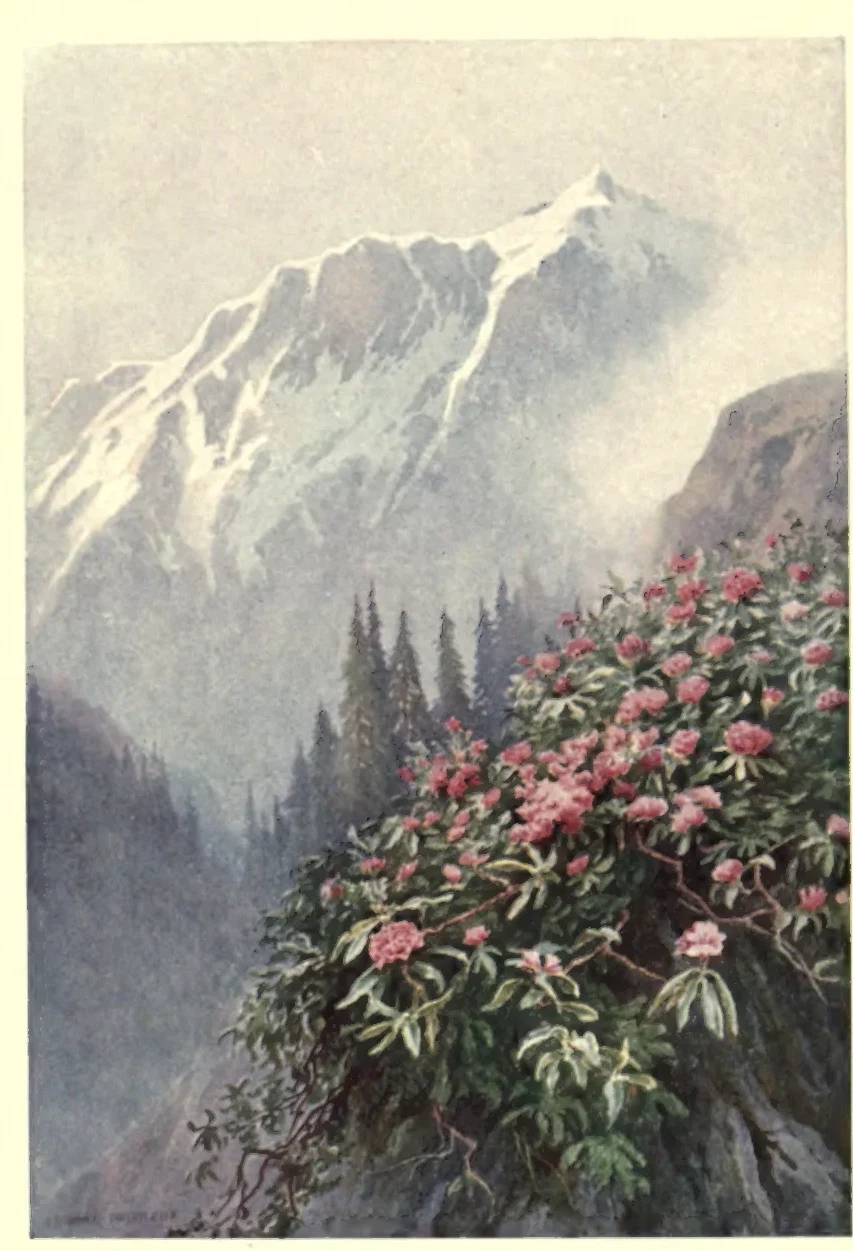
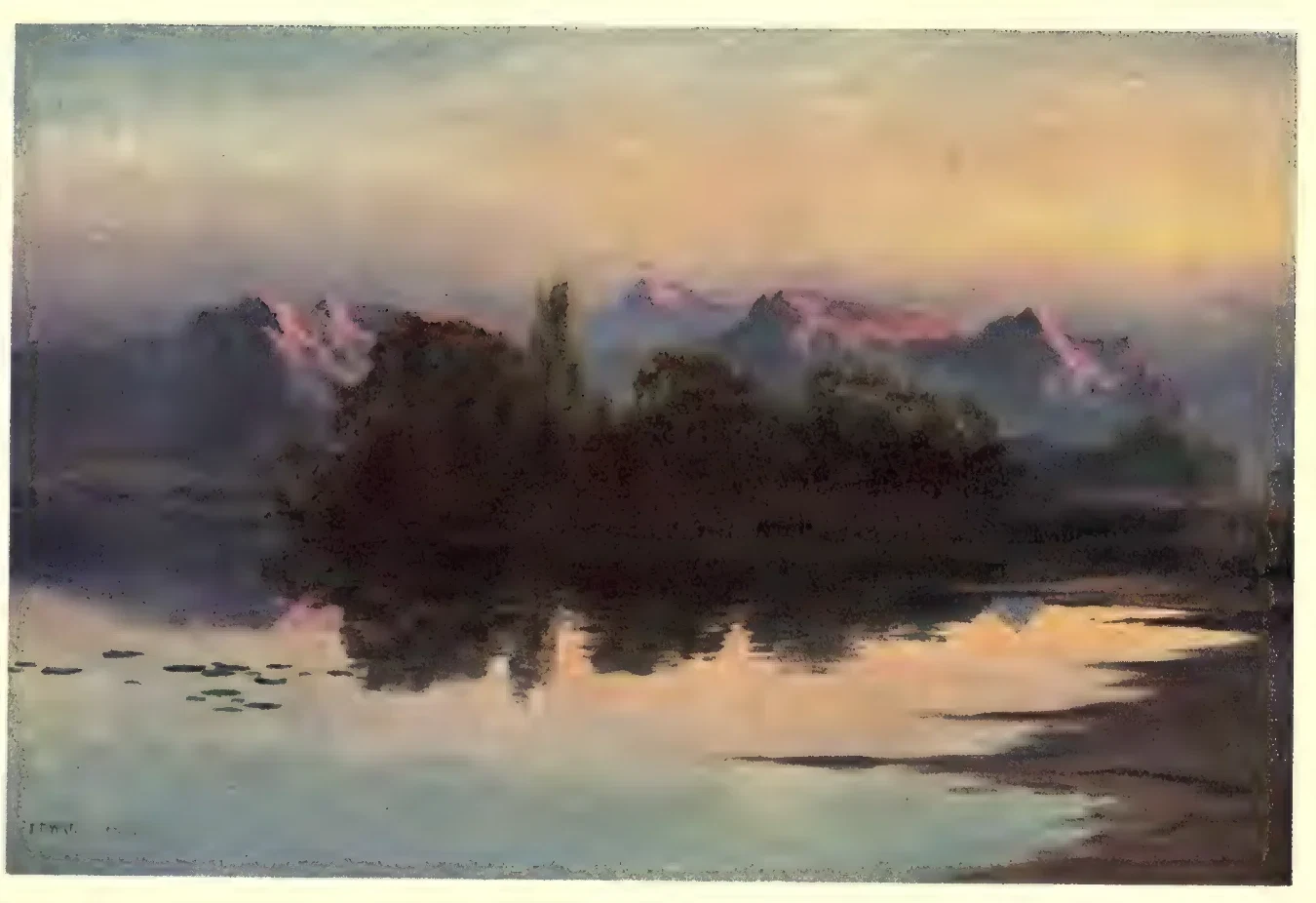
The copy held here is the August 1911 reprint of a work first issued in September 1909. Its landscapes move between close foreground detail and distant mountains, or between reflective water and broad skies. The pictures’ captions and place within the volume give those compositions geographical context. Molyneux’s artistic choices and Younghusband’s prose contribute distinct perspectives to the collaboration.