Law and several kinds of scholarship
Heron-Allen was born in London and educated at Harrow, where he developed an interest in microscopy. He entered the legal profession and was admitted as a solicitor in 1884, but continued scholarly pursuits alongside his work. Music, the history of the violin and Persian translation formed other substantial interests.
Later he gave increasing attention to foraminifera, small organisms studied through their shells. Work with Arthur Earland produced a long series of scientific papers, and he was elected a fellow of the Royal Society in 1919. He also wrote local history and fantastic fiction under the name Christopher Blayre. These different activities shared an appetite for close study without necessarily sharing the same evidential basis.
The hand as a system of signs
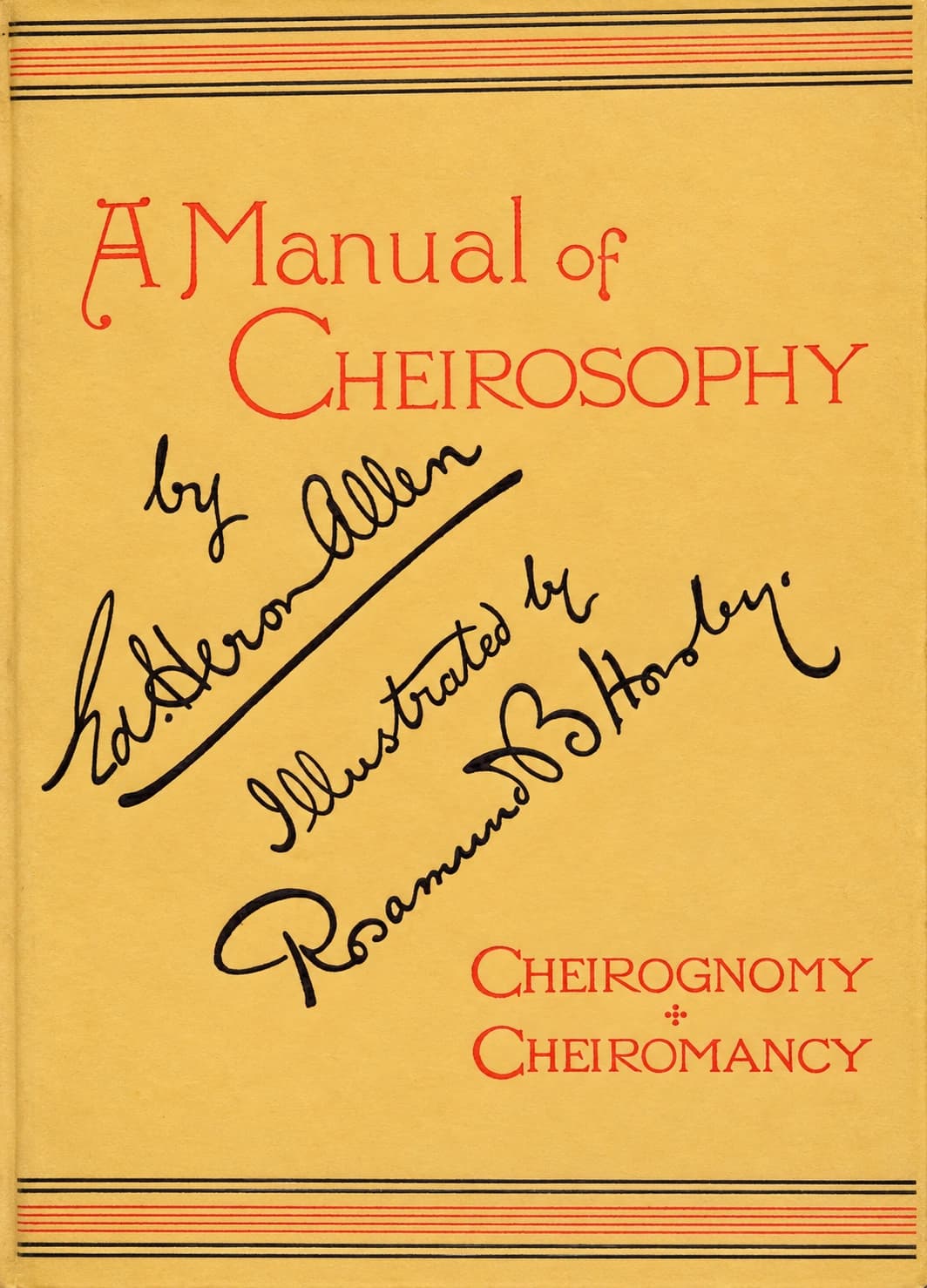
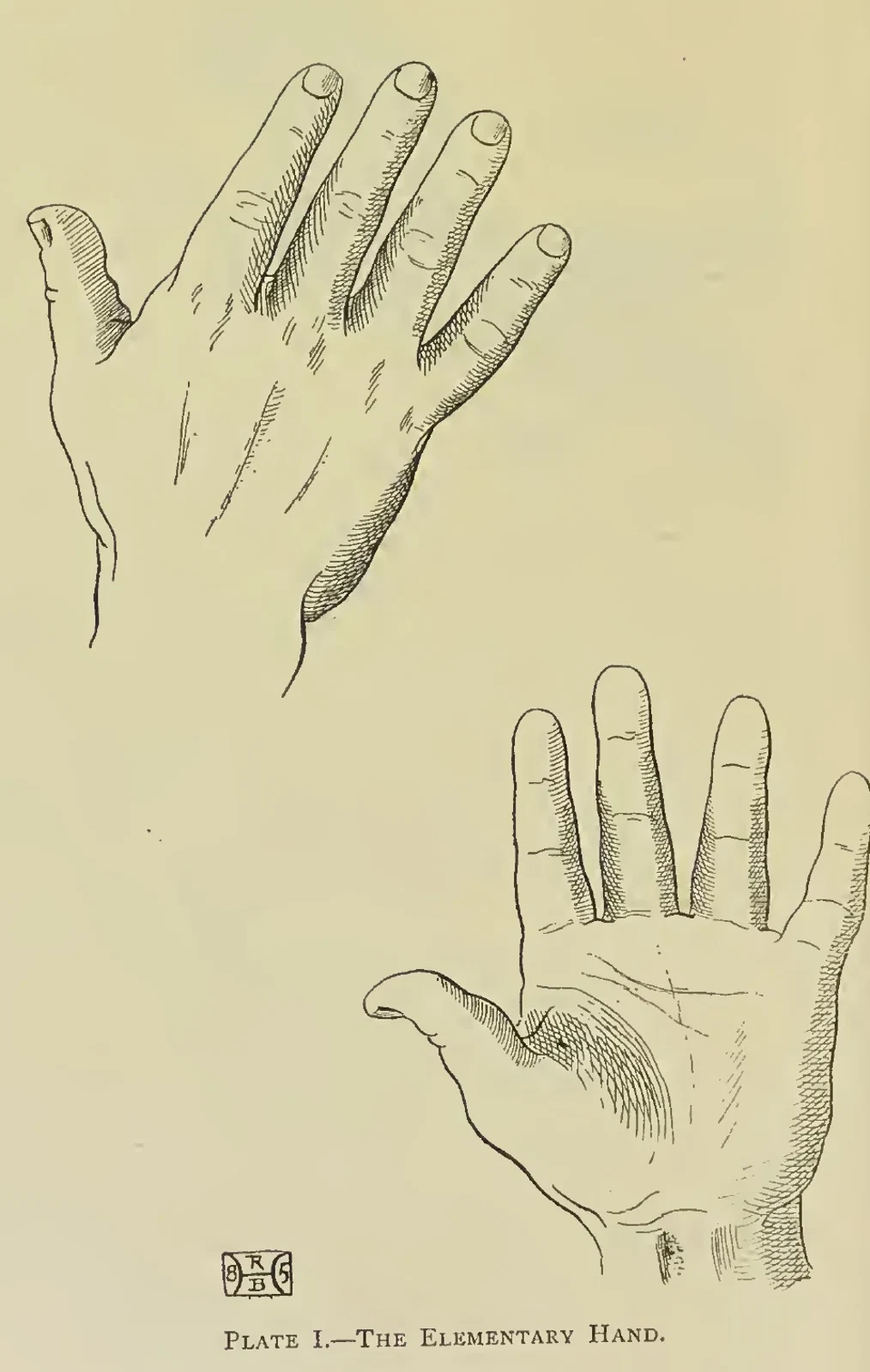
A Manual of Cheirosophy has a preface signed in July 1885. It distinguishes the interpretation of hand shape from readings of the palm’s lines, then classifies fingers, joints, tips and other features. Its extended introduction argues for the subject’s scientific standing and describes rational scepticism as useful to an inquiry.
The system moves from visible forms to claims about temperament and character. That additional inference is the central issue in its argument. Classifications shaped by sex and social expectations also expose the period assumptions within the manual. Heron-Allen’s later scientific reputation belongs to his biography; it does not independently establish the claims of this earlier hand-reading book.