A translator in Bucharest
Mawer’s personal history remains only partly documented. Her given names, life dates and early education have not been securely established. Historian Dennis Deletant identifies her as the wife of an English physician long established in Bucharest. Her own preface to Roumanian Fairy Tales and Legends is dated there in April 1881 and signed E. B. M., placing her translation work in the country whose stories she wished to introduce.
Her writing also appeared under the spelling Mawr. The Romanian Academy Library links the fairy-tale collection to Mrs E. B. Mawr through the title page of her later work. Its bibliography records a collection of Romanian, English, French and German proverbs in 1882, followed by Analogous Proverbs in Ten Languages in 1885. Her work moved between the translation of stories and the comparison of familiar sayings across languages.
Fairy tales, legends and national memory
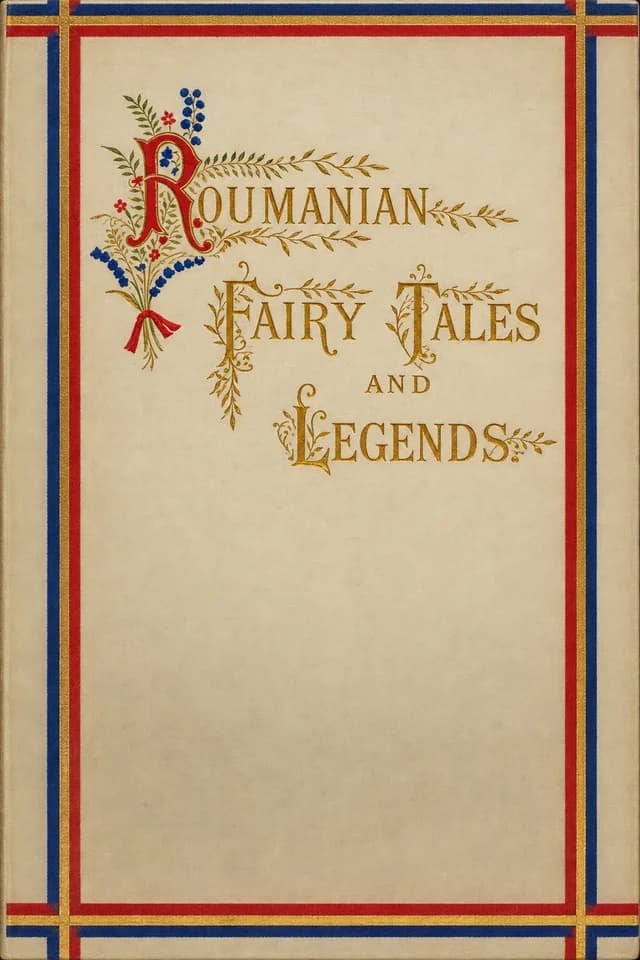
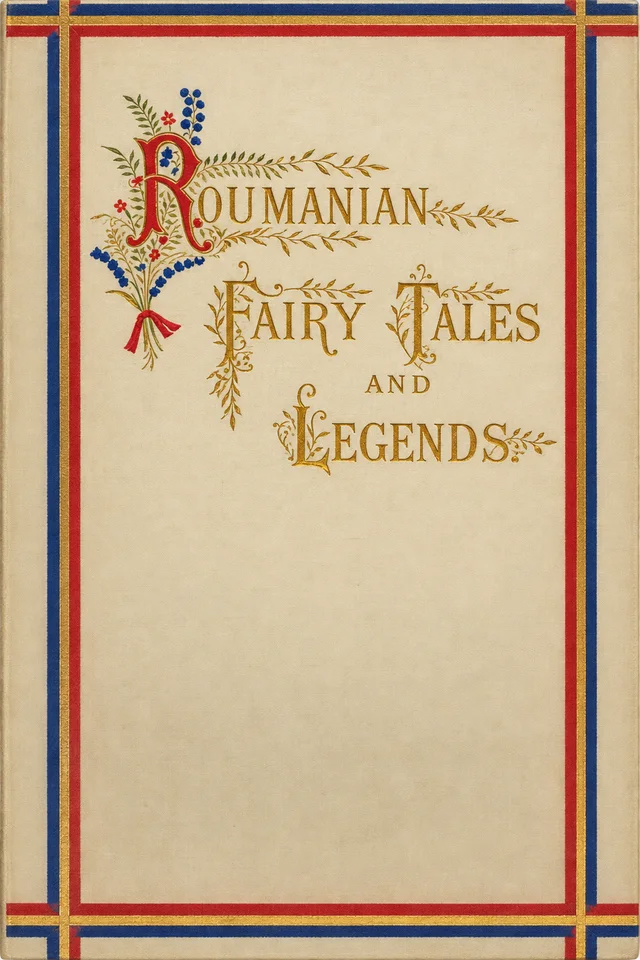
The 1881 collection was published in London by H. K. Lewis and dedicated to Queen Elisabeth of Romania. Mawer explained that Romanian literature was little known in England and that she had tried to keep closely to her source texts, while acknowledging the difficulty of translating some idioms. Her preface also praised Romania’s emergence as a kingdom and explained her choice of historical tales through the courage she believed they exemplified.
The contents move through three kinds of narrative: fairy tales, legends and historic tales. In The Slippers of the Twelve Princesses, a young cowherd follows a dream into an enchanted adventure; Manoli turns the building of a monastery into a story of ambition and terrible sacrifice. The final tales commemorate Brancovan and the mother of Stephen the Great. Their presence gives the volume a patriotic purpose alongside the pleasures of magic and storytelling.