A life recorded around poetry
Born Rose Dora Ashington in Anwick, Lincolnshire, in 1865, Owen was the youngest child of the clergyman Henry Ashington and Frances Denton Ashington. Literary researcher Douglas A. Anderson traces her later life through family records: she married the classicist and schoolmaster Edward Charles Everard Owen in 1887, and they had eight children. Both were interested in poetry.
Her upbringing and education remain less fully documented. The Book of Fairy Poetry, published by Longmans, Green and Co. in 1920, is the principal work associated with her name. Anderson also records her contact with Tolkien in 1916, when she sought permission to reprint his recently published Goblin Feet. Owen died at Wakefield in 1938. The surviving evidence gives a clearer picture of her editorial interests than of her daily working life.
Collecting fairy voices
The anthology’s title page distinguishes Owen’s editing from Goble’s illustration. Its three divisions gather fairy stories; songs, dances and talk; and fairyland and fairy lore. The arrangement allows narrative ballads such as Thomas the Rhymer and Tamlane to sit alongside theatrical songs and shorter lyrical encounters with imagined beings. It presents a literary tradition in many voices, rather than a single account of what fairies are.
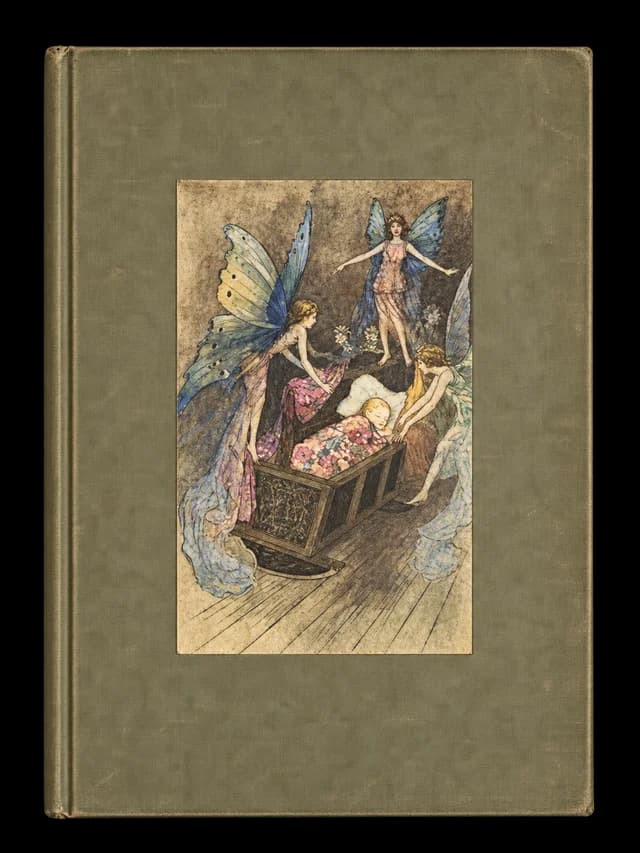
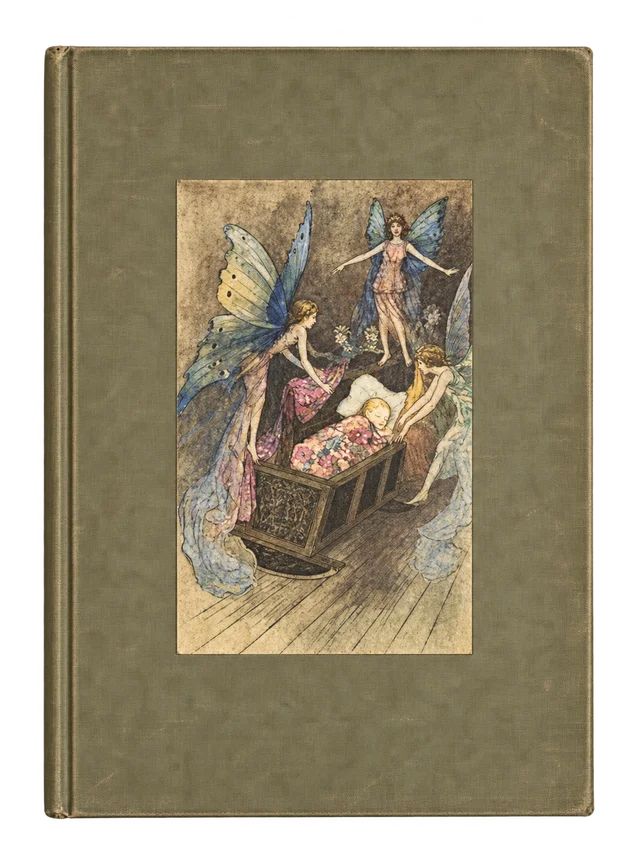
Goble’s coloured plates make that variety visible, with scenes selected from particular poems. Near the end, Tolkien’s Goblin Feet receives an illustration of its own. Owen’s poem “Children, children, don’t forget” also appears in the final division. The choice and grouping of texts create a route through contrasting versions of fairyland: alluring, playful, unsettling and sometimes dangerous.