Florence and exile
Dante was born in Florence in 1265. Much of his early life remains uncertain, although his Vita nuova presents the love for Beatrice that became central to his poetry. He entered public life through the city’s councils and served as a prior in 1300. Florence’s conflict between rival factions soon overtook that career.
In 1302 a new government condemned him in his absence. He spent the rest of his life away from Florence, dependent on patrons in other Italian cities. He died at Ravenna in 1321. The city he had lost remained present in his writing. Its families, feuds and political betrayals recur among the souls he meets in the Comedy.
A poet travelling through his own poem
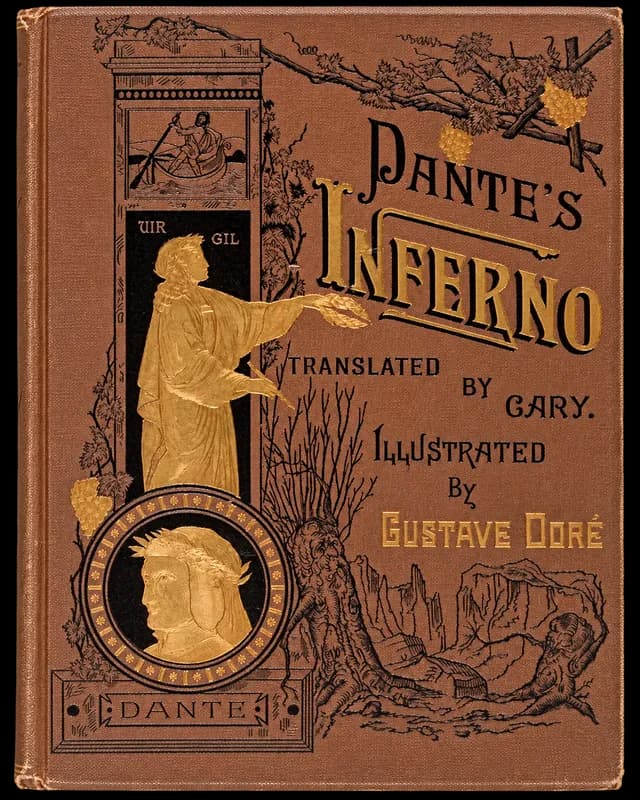
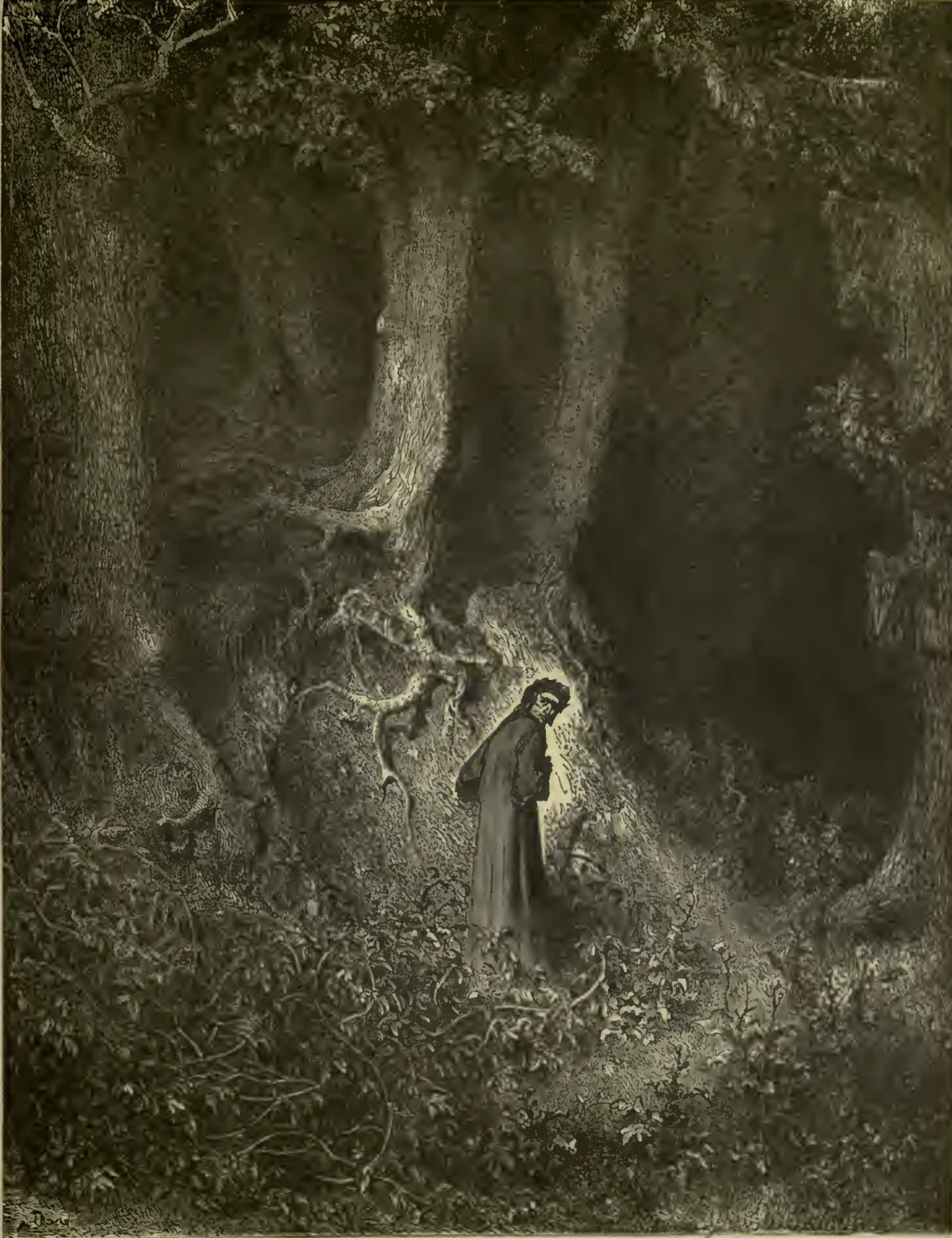
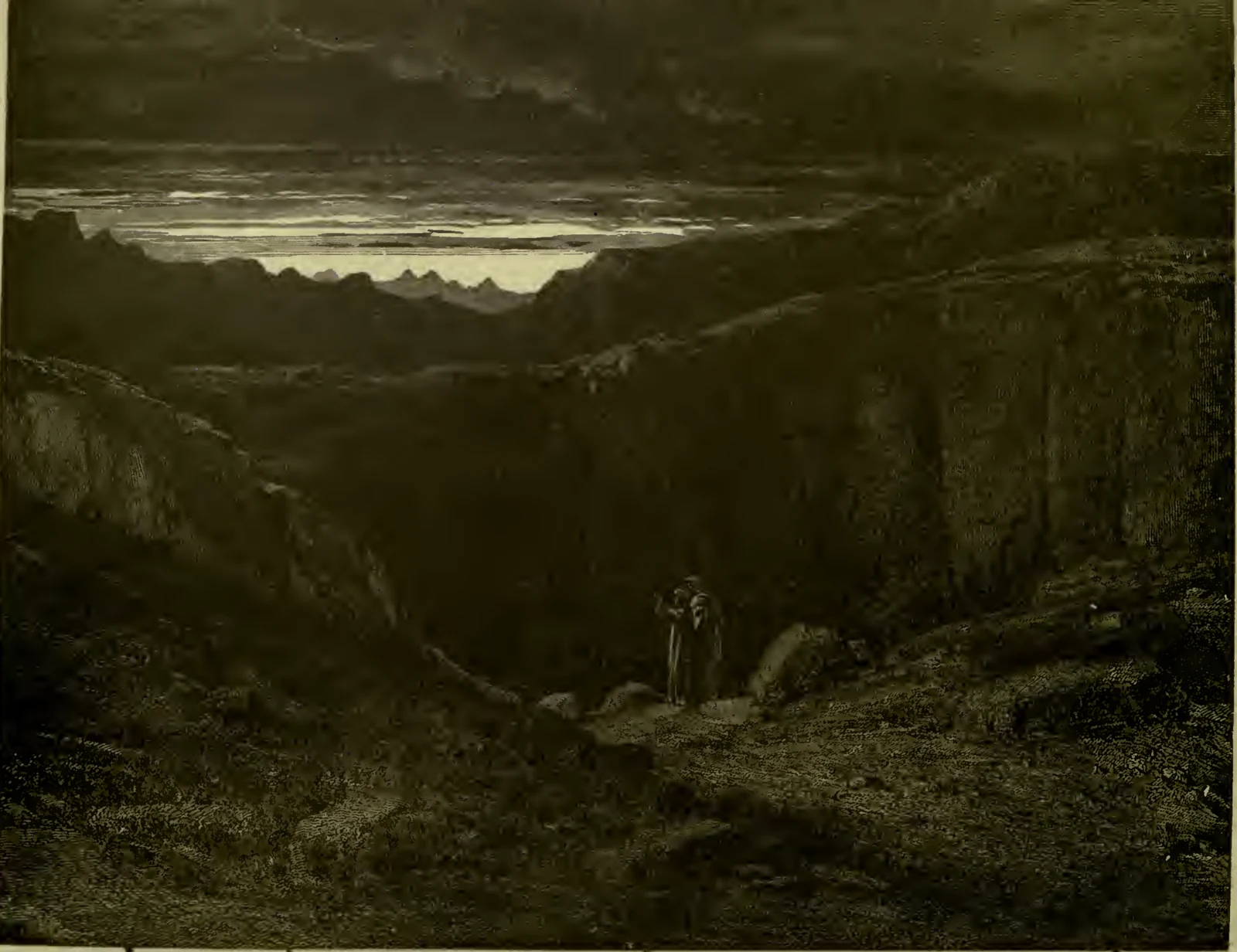
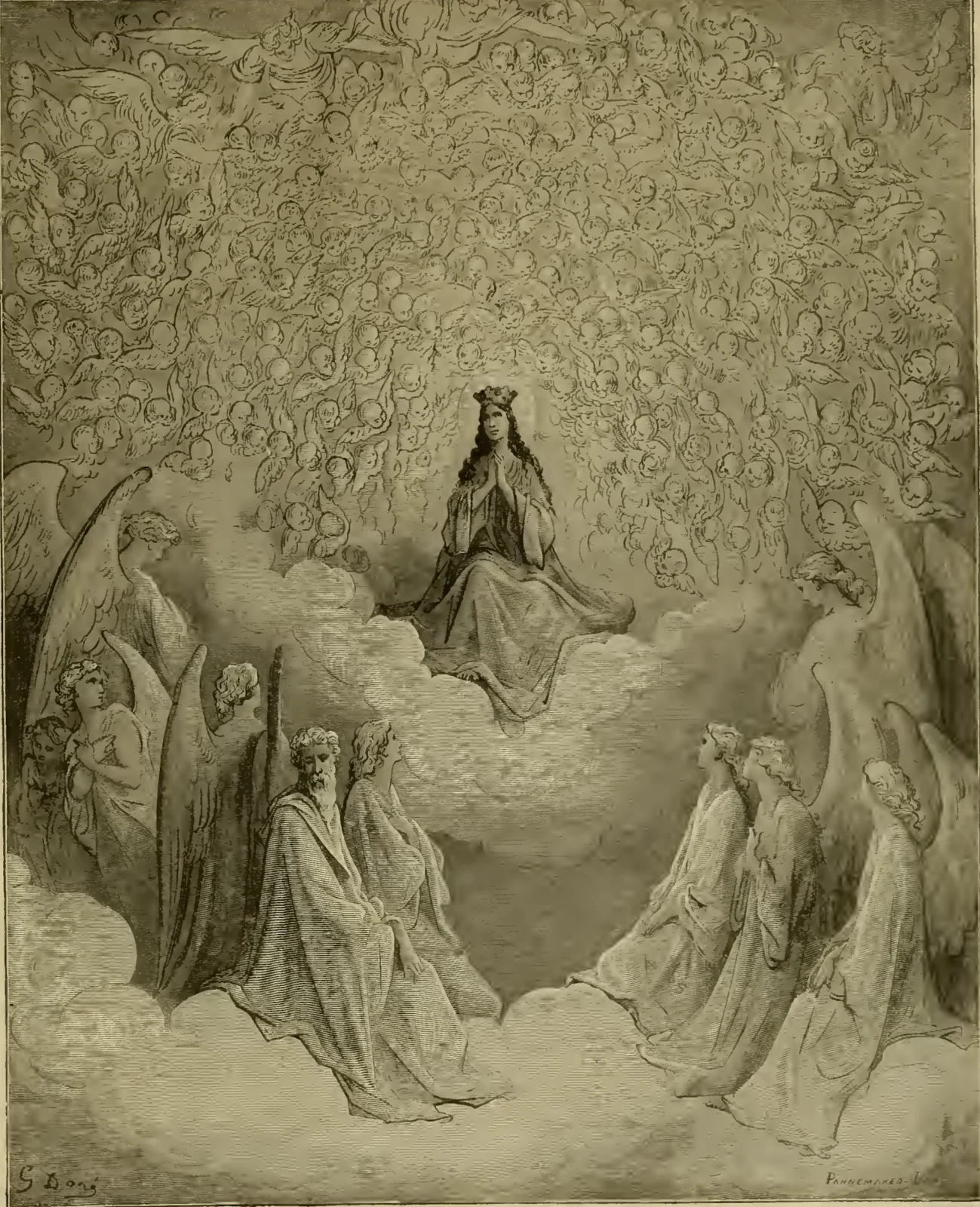
Virgil guides Dante through Hell and up the mountain of Purgatory. Beatrice takes over as he approaches Heaven. Along the way, the traveller must listen and respond to the dead. In Inferno’s fifth canto, Francesca describes how reading the story of Lancelot drew her and Paolo together. Dante hears her account and faints. The poem lets sympathy for one speaker sit beside the judgment of the realm she inhabits. Lumitheca presents the journey across Inferno and Purgatory and Paradise, with Gustave Doré’s illustrations giving the imagined landscape another form.
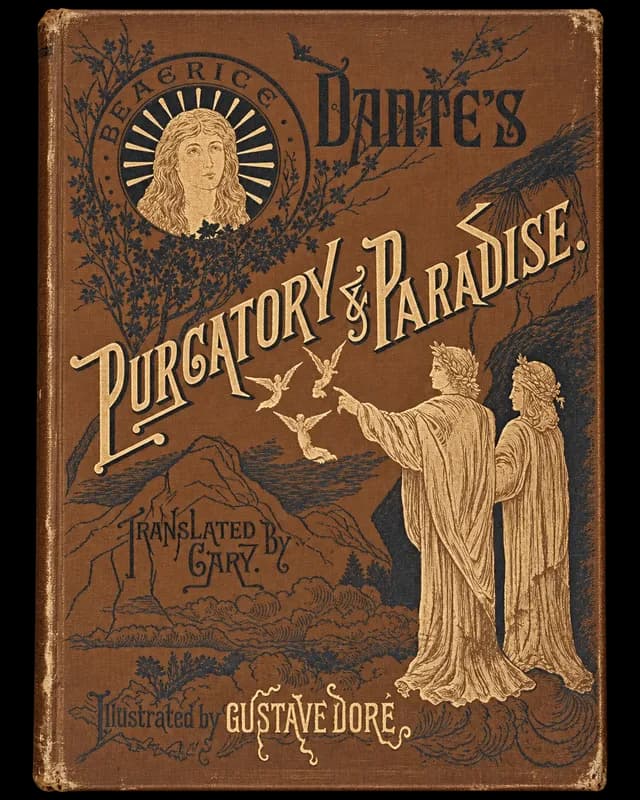
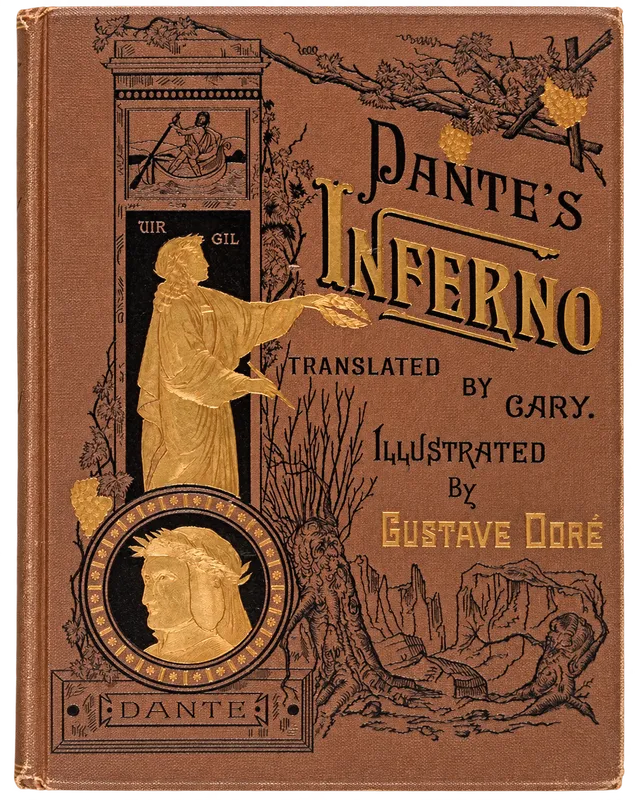
The 1901 Purgatory and Paradise pairs Henry Francis Cary’s English verse with Doré’s illustrations. The translation and pictures belong to the poem’s long life after Dante, giving readers two later interpretations of the same journey.