Artistic work and political action
Housman grew up in Bromsgrove and moved to London with Laurence to develop an artistic career. She studied wood engraving and cut blocks for the illustrated press. The shift towards photographic reproduction threatened that work, but her skill and connections with fine presses allowed her to continue engraving.
She and Laurence shared a household and collaborated on artistic and political projects. Their home became a centre for the Suffrage Atelier, which made visual material for the women’s suffrage movement. Clemence worked on banners and joined the Women’s Tax Resistance League. Her refusal to pay taxes without voting rights led to a short imprisonment in Holloway. Her later years were spent with Laurence in Somerset.
The making of The Were-Wolf
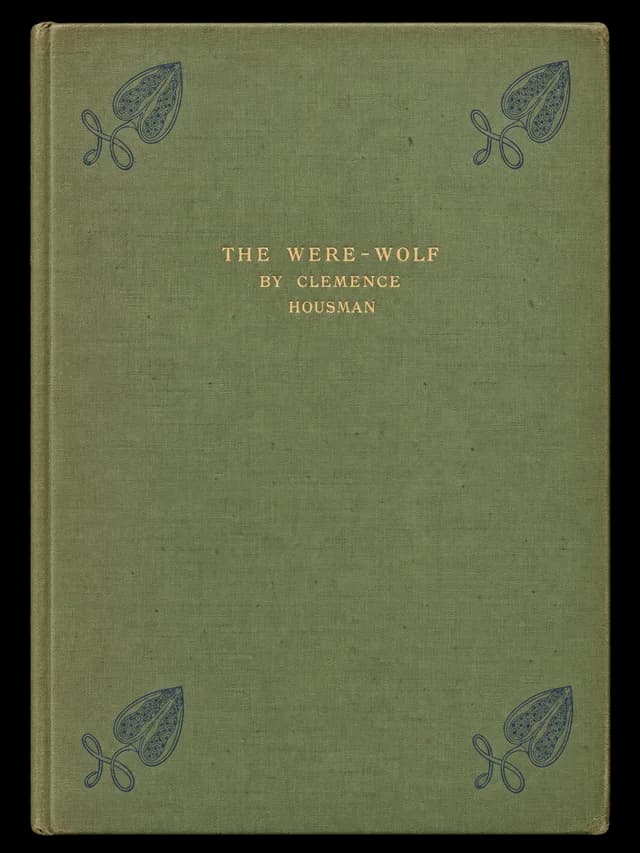
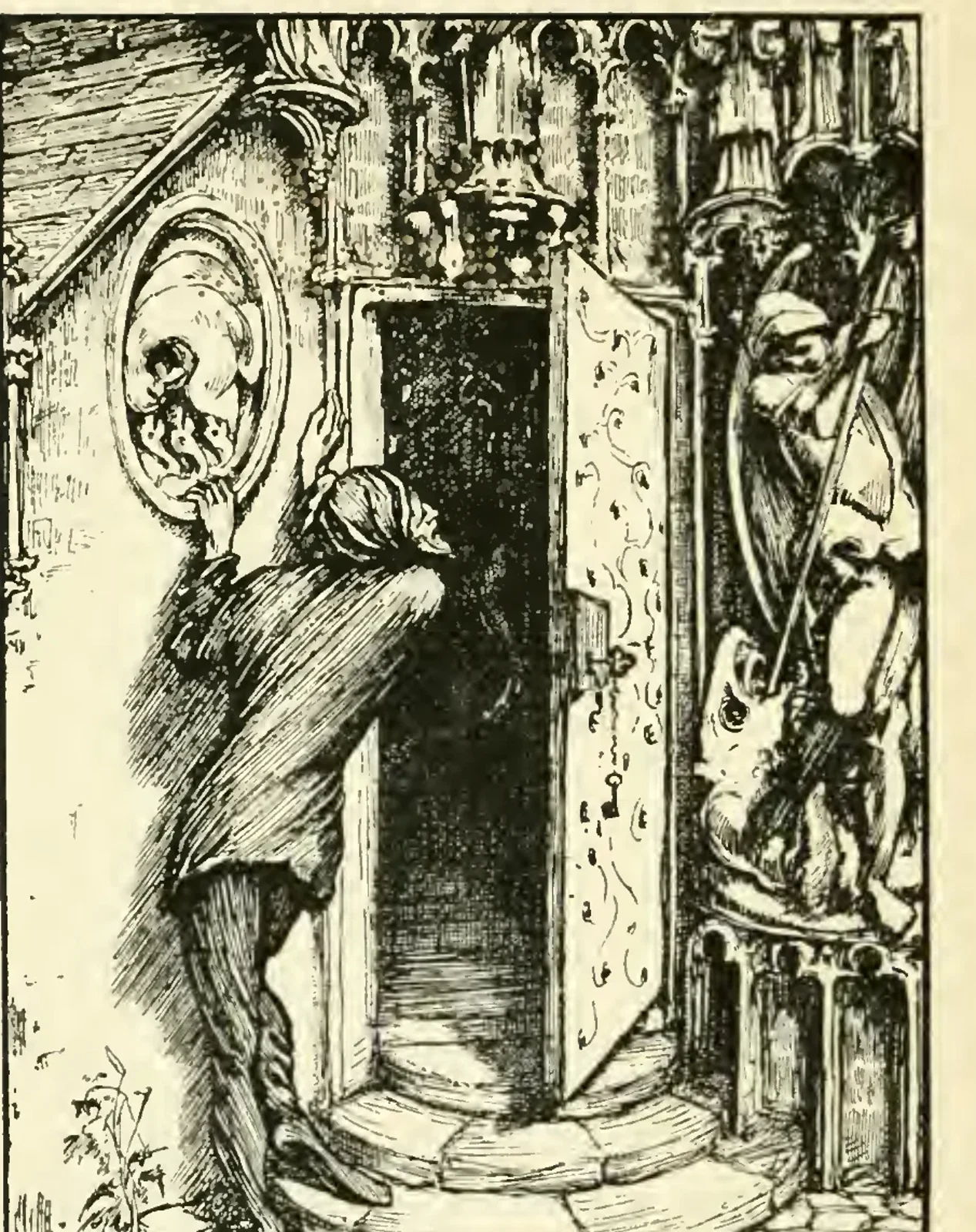
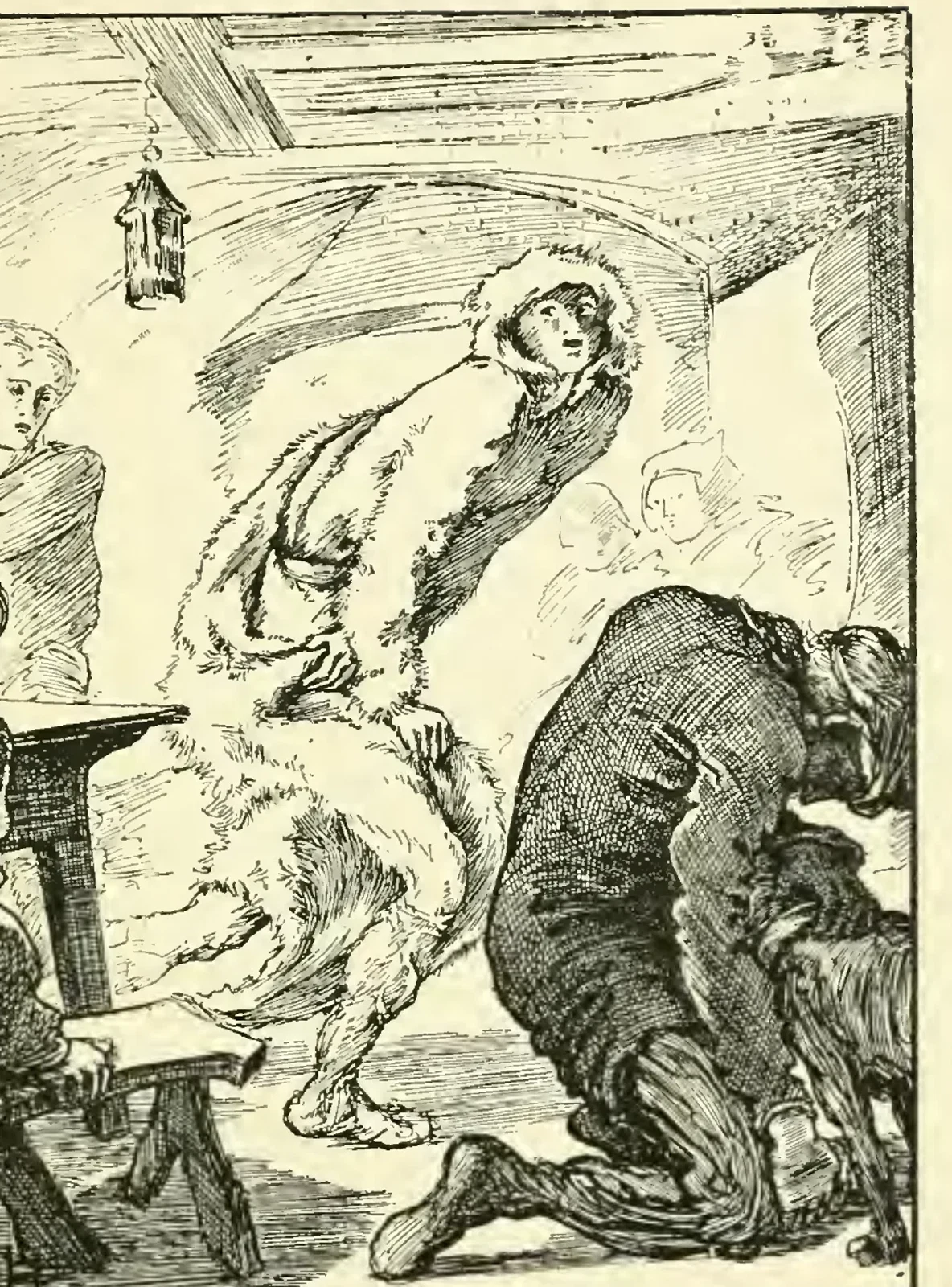
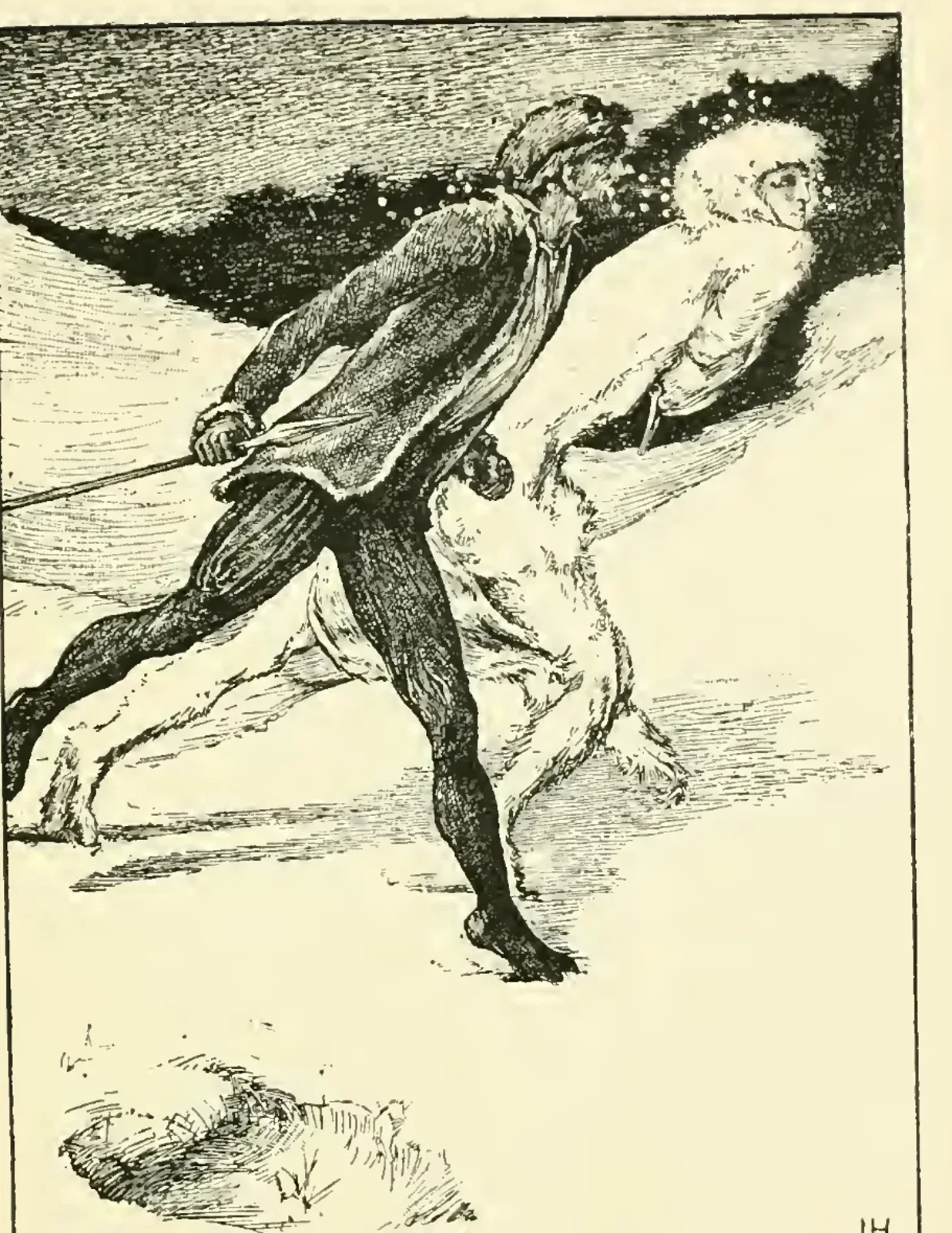
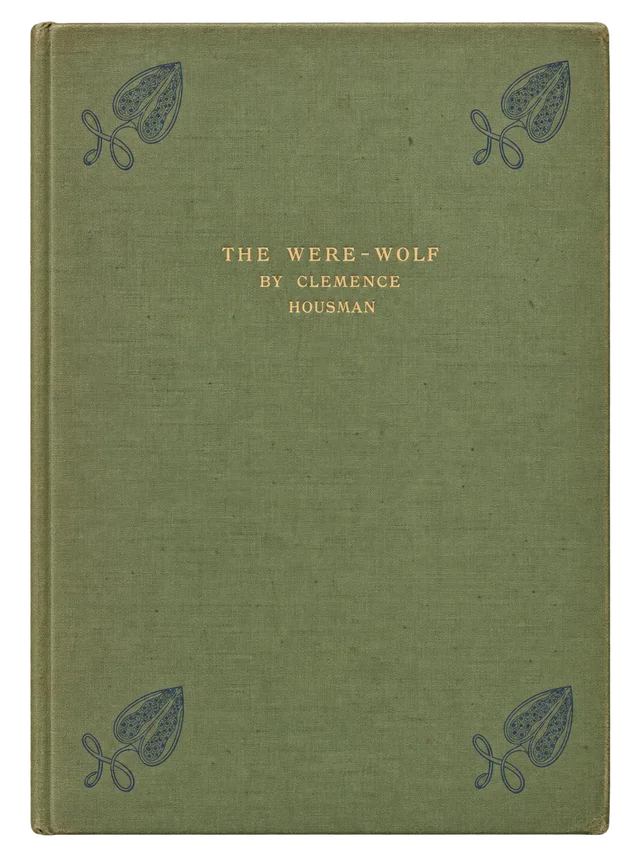
The Were-Wolf began as a story told to women in her engraving class. It appeared in the Christmas 1890 number of Atalanta with pictures by Everard Hopkins. For the 1896 book edition, Laurence made new designs and Clemence engraved them. Writing, design and the cutting of the printing blocks were separate parts of the collaboration.
The stranger White Fell arrives in a household where different witnesses interpret her presence differently. Suspicion and affection divide the brothers Christian and Sweyn, bringing rivalry into a story of danger and sacrifice. Its powerful female figure has supported contrasting readings of gender and religious symbolism. Housman’s account does not resolve those questions into a simple description of its author’s beliefs; the conflict gives them dramatic form.