From legal practice to anthropology
Wake was born in Hull in 1835 and worked as a solicitor in London and Hull from 1858. He joined the Anthropological Society of London in 1863 and served on its council, becoming a director. He also held office in the later London Anthropological Society and participated in the Anthropological Institute. His interests ranged from comparative psychology and morality to marriage, kinship and religious symbolism.
He moved to the United States in the early 1890s and worked for Chicago’s natural-history museum from 1895. His publications included The Evolution of Morality and The Development of Marriage and Kinship. He died in Chicago in 1910.
Reading religion through symbols
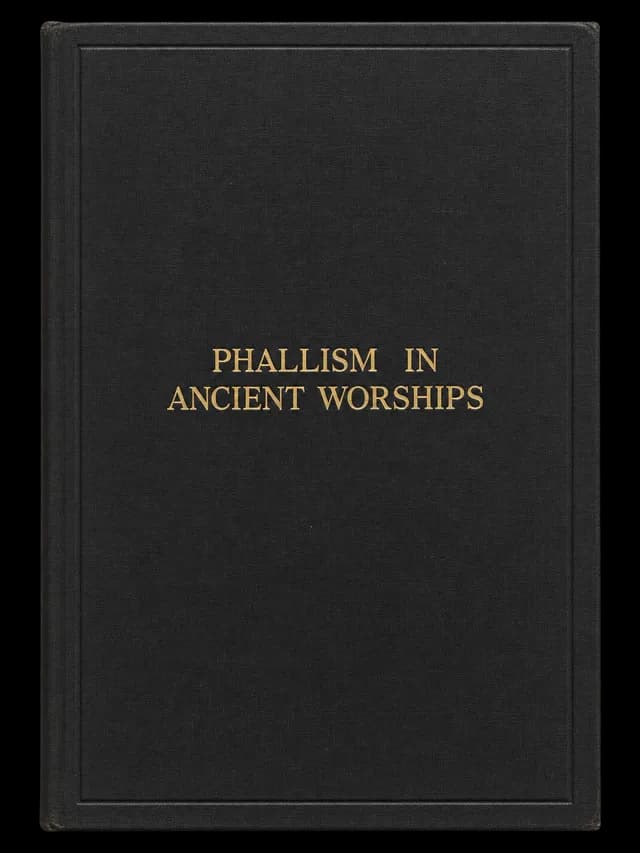
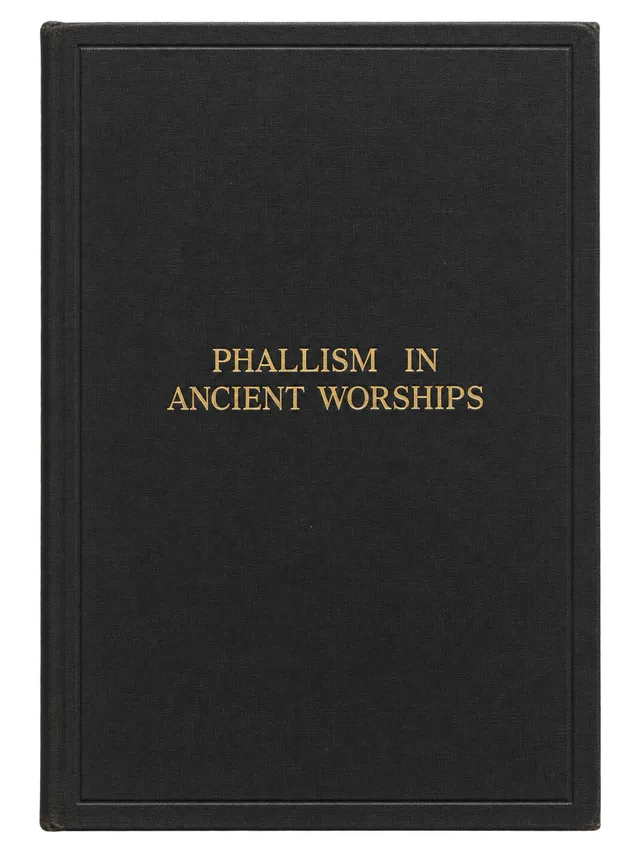
The held second edition of Ancient Symbol Worship appeared in New York in 1875. It contains Westropp’s Phallic Worship and Wake’s Phallism in Ancient Religions, with an introduction, additional notes and an appendix by Alexander Wilder. The cover bears the alternative wording Phallism in Ancient Worships.
Wake interprets religious images and practices through ideas of generation, ancestry and the family. He compares serpent and pillar symbols, divine parenthood and biblical narratives with material drawn from other religious traditions. His explanations draw heavily on earlier scholarship, linguistic comparisons and perceived similarities between symbols. They record an ambitious nineteenth-century attempt to reconstruct religious development, including speculative etymologies and racial categories. Similarity between images is not, by itself, proof of a shared origin or a historical connection.