A clerical and literary career
Kingsley studied at King’s College, London, before moving to Cambridge and graduating from Magdalene College. He became rector of Eversley in 1844 and later held Cambridge’s Regius Professorship of Modern History from 1860 to 1869. His literary work developed alongside these religious and academic appointments.
A friend of Charles Darwin, he supported evolutionary ideas while remaining a committed Anglican. His concerns also included social reform, but they coexisted with racial beliefs about Anglo-Saxon superiority. These positions are part of the historical setting of his writing. They help explain why a book sympathetic to a mistreated child can also contain judgments about peoples and nations that expose the prejudices of its author’s world.
The child and the fantastic world
The Water-Babies first appeared in 1863. Its beginning gives Tom’s labour and his master’s violence a concrete place before the marvellous transformation occurs. Work, fear and unequal power are already present when water opens the way to another existence. The story’s natural environments and strange inhabitants carry an argument about growth and moral change.
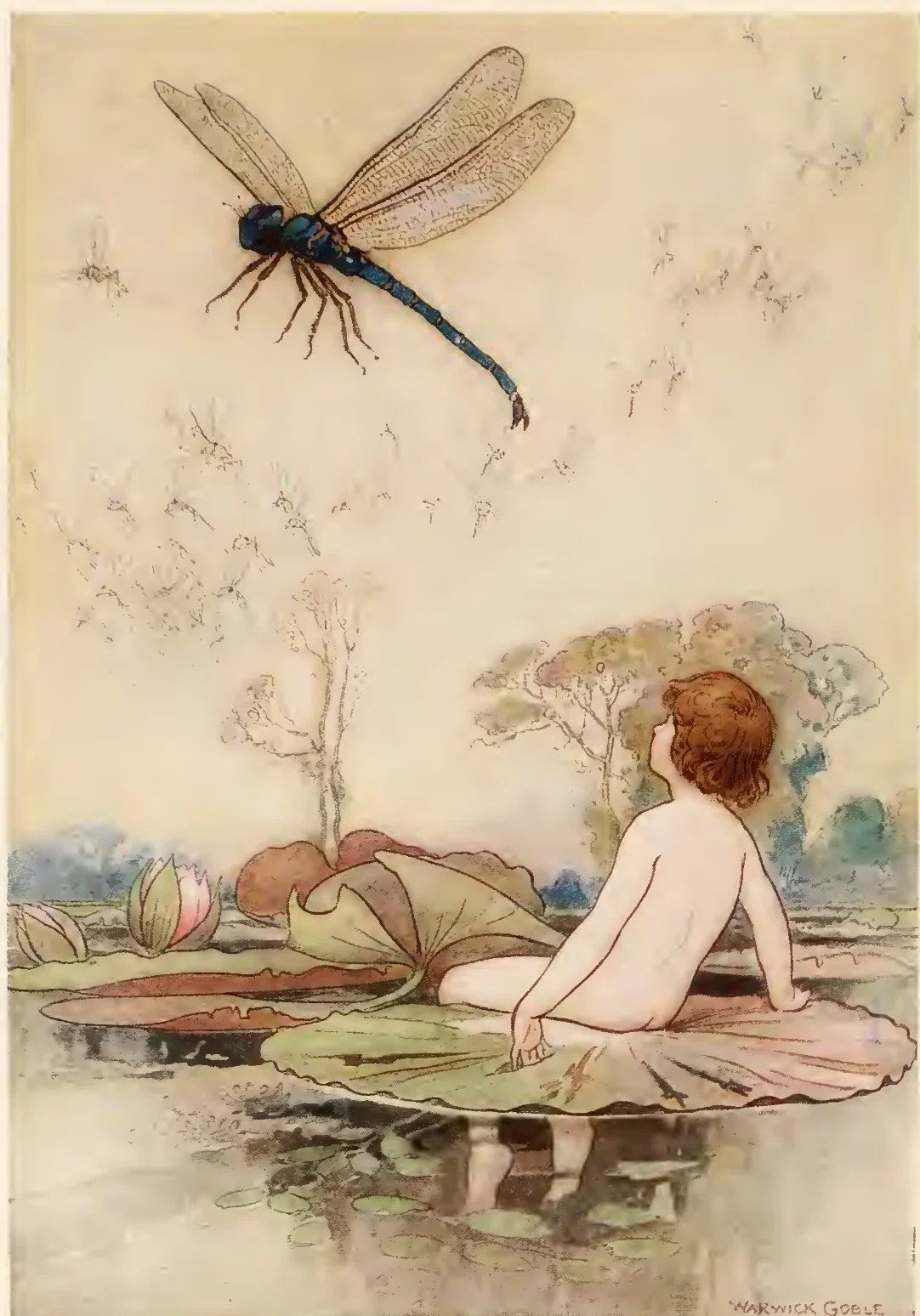
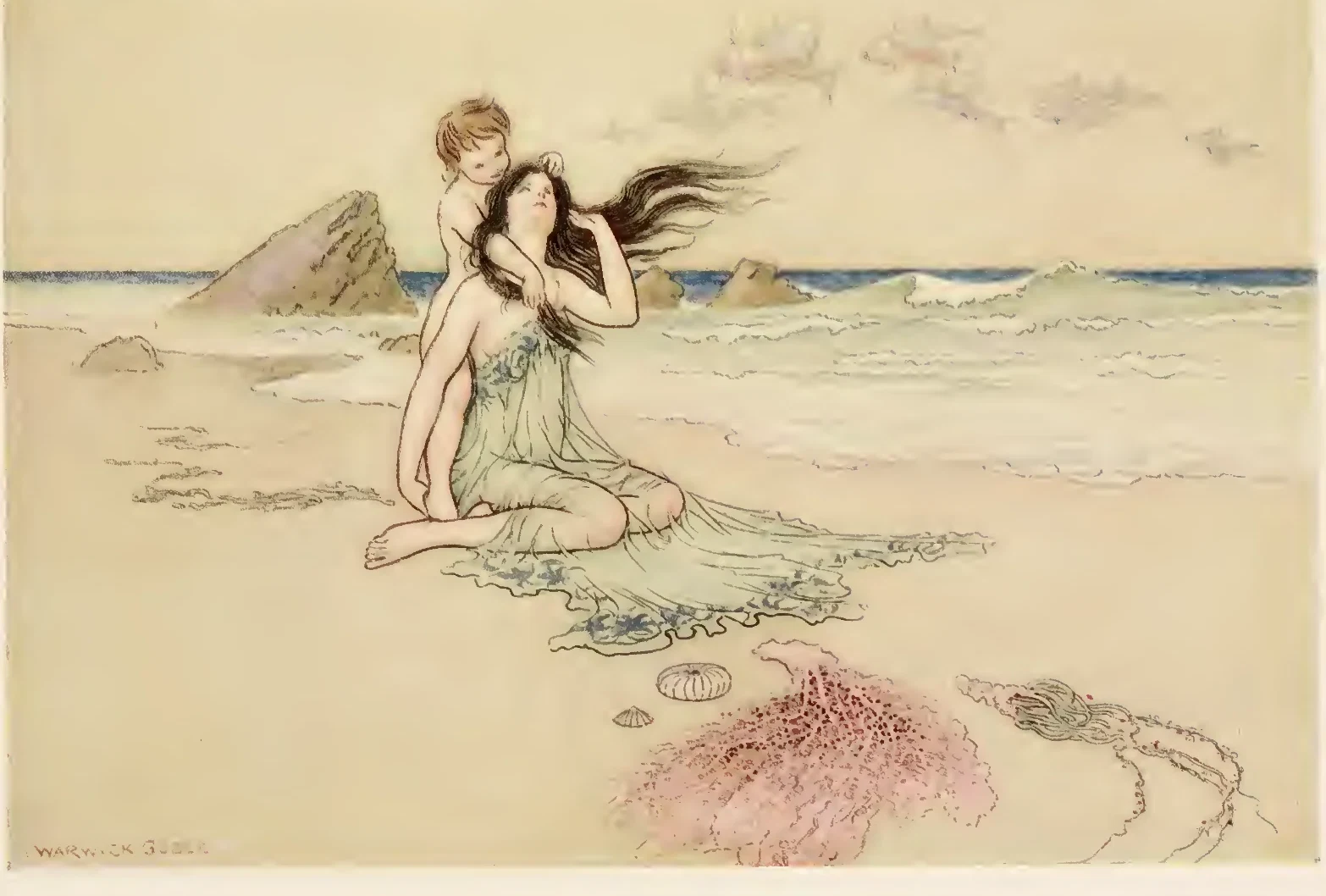
The narrator interrupts and teases his audience, combining sympathy with satire and judgments that reach beyond the immediate adventure. The copy held here is a 1927 Macmillan edition with colour illustrations by Warwick Goble. Those pictures are the contribution of a later artist to Kingsley’s story. Their imaginary settings give another form to the transformations through which the book pursues its moral questions.