A librarian’s life beyond the reading room
Carl Henrik Andreas Bjerregaard was born in Fredericia, Denmark, in 1845. His early life included study in Copenhagen, teaching in the household of a Danish diplomat in Russia, military training and service as a reserve officer. He also taught botany and briefly curated a natural history museum at Fredericia College. In 1868 he married Mathilde Georgina Thomsen; they had seven children. He left Denmark without military permission in 1873 and began a new life in the United States.
After a period of factory work in New Jersey, Bjerregaard joined the Astor Library in 1879, helping classify and recatalogue its books. His career continued through the formation of the New York Public Library, where he eventually headed the main reading room. Outside his professional duties he lectured on mysticism and nature worship. Sarah Farmer’s Greenacre community in Maine became an especially important setting: its meetings and outdoor experiences offered him a place to practise the universal spirituality he advocated.
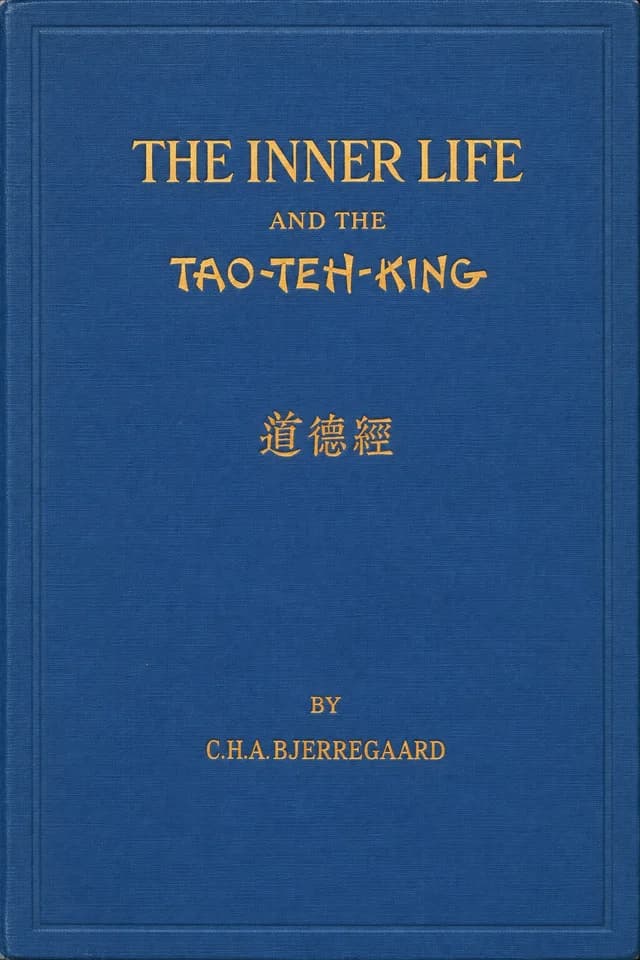
Bjerregaard valued personal experience over the repetition of religious formulas. His lectures drew together traditions often studied separately, seeking an underlying life that could be approached through different languages and symbols. His publications included Lectures on Mysticism and Nature Worship and A Sufi Interpretation of Omar Khayyam and Fitzgerald. His obituary also records a late turn to painting: at seventy he began teaching himself to paint, making pictures from memories and dreams. He died in New York in January 1922, remembered as both a librarian and an interpreter of mystical thought.