From Chicago newspapers to theatre and film
Hecht grew up in Racine, Wisconsin, and went to Chicago as a young man. Reporting for the Chicago Daily Journal and the Daily News introduced him to the city’s working lives and literary circles. After a period as a correspondent in Berlin, his 1001 Afternoons in Chicago columns made short encounters and urban scenes the material of literary sketches.
He left Chicago for New York with the writer Rose Caylor, whom he later married. With Charles MacArthur he wrote The Front Page, turning newspaper work into theatre. Hollywood brought another career in screenwriting. Archival authorities disagree over his birth year, giving either 1893 or 1894.
An artist’s imagined world
Published in Chicago in 1922, Fantazius Mallare takes the form of an artist’s journal. Mallare tries to escape ordinary reality through a world of his own making, but his declarations of mastery give way to fears about the images and figures he has created. Its extravagance differs sharply from the fleeting social observations of Hecht’s newspaper writing.
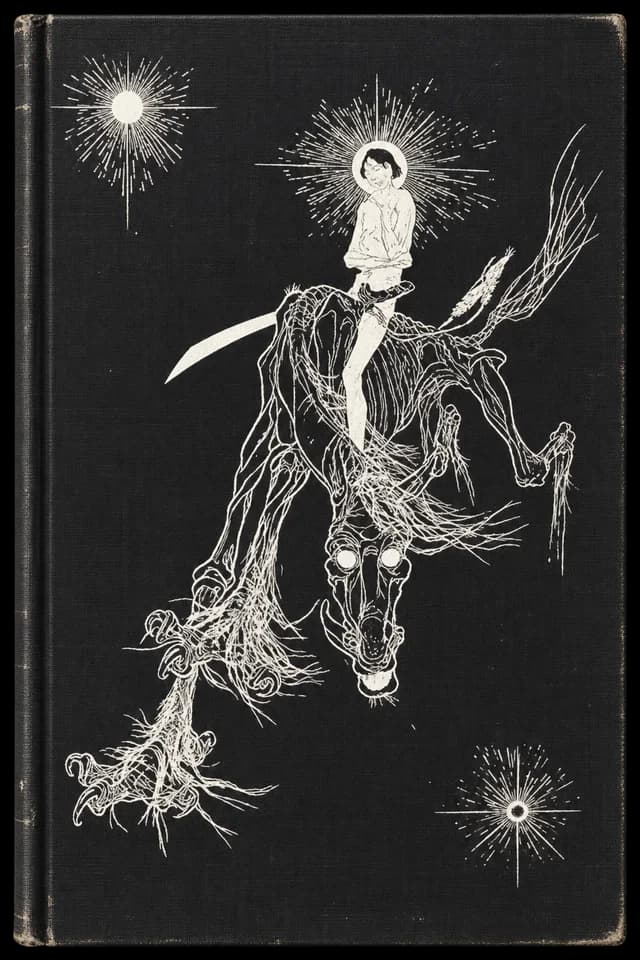
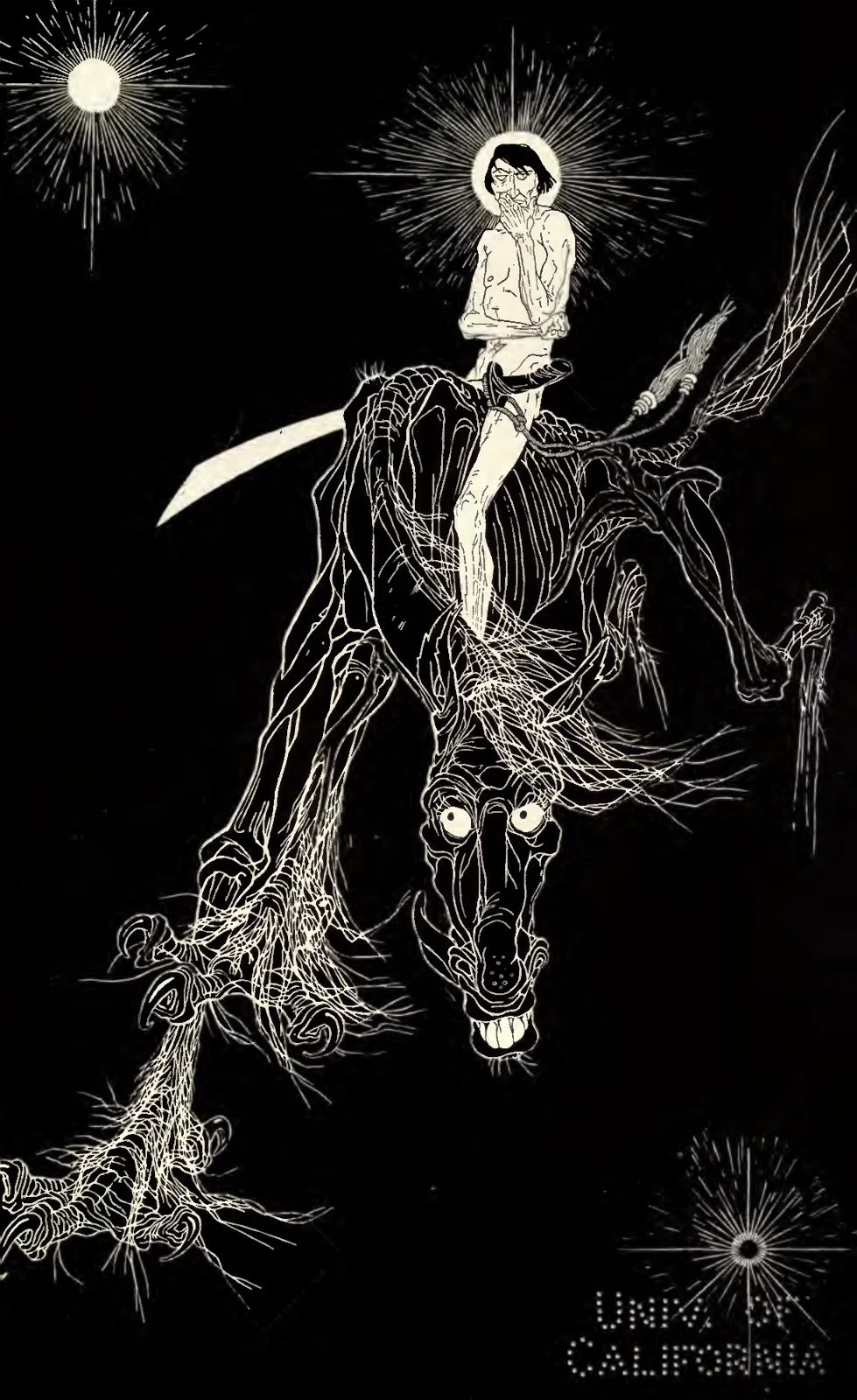
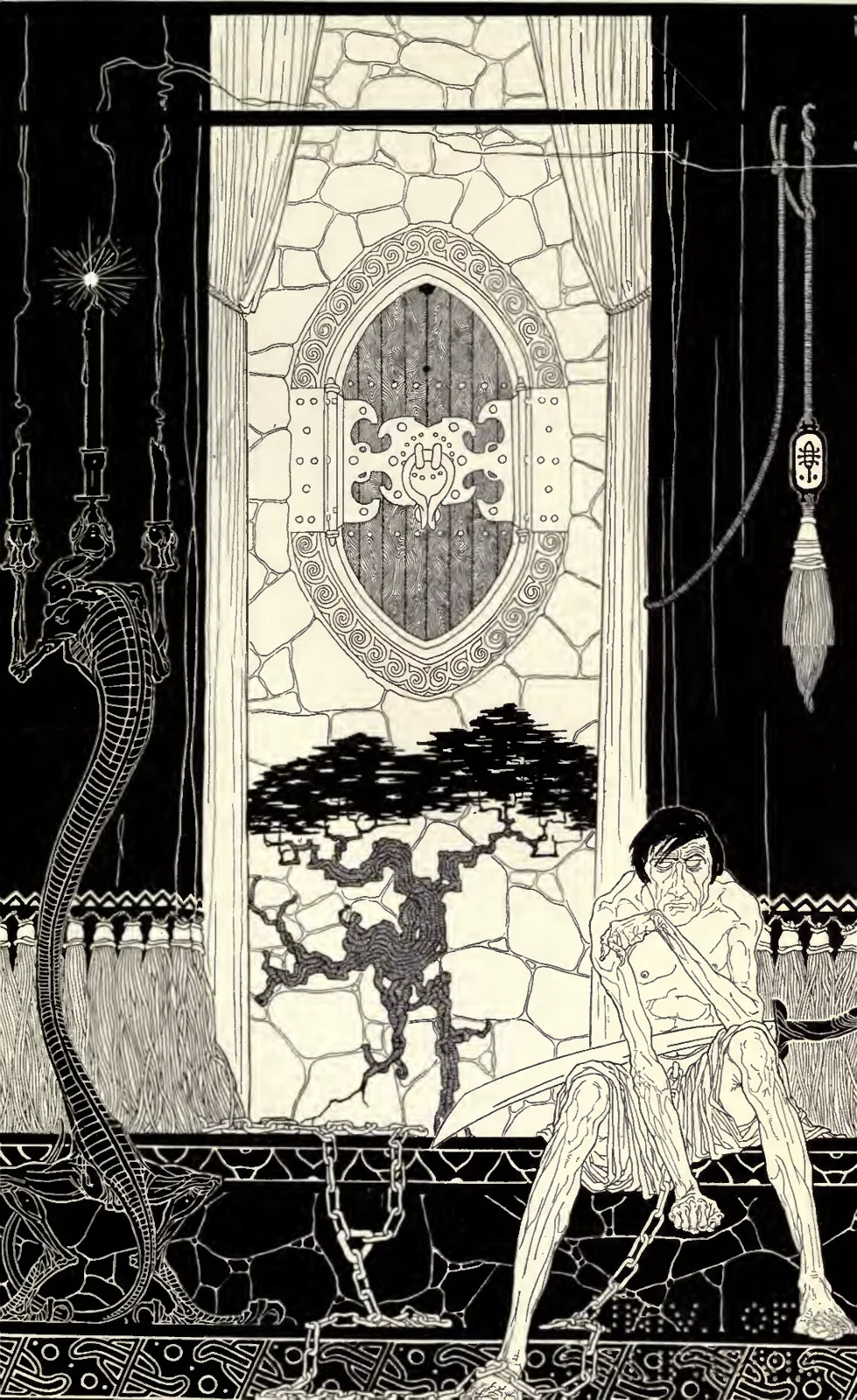
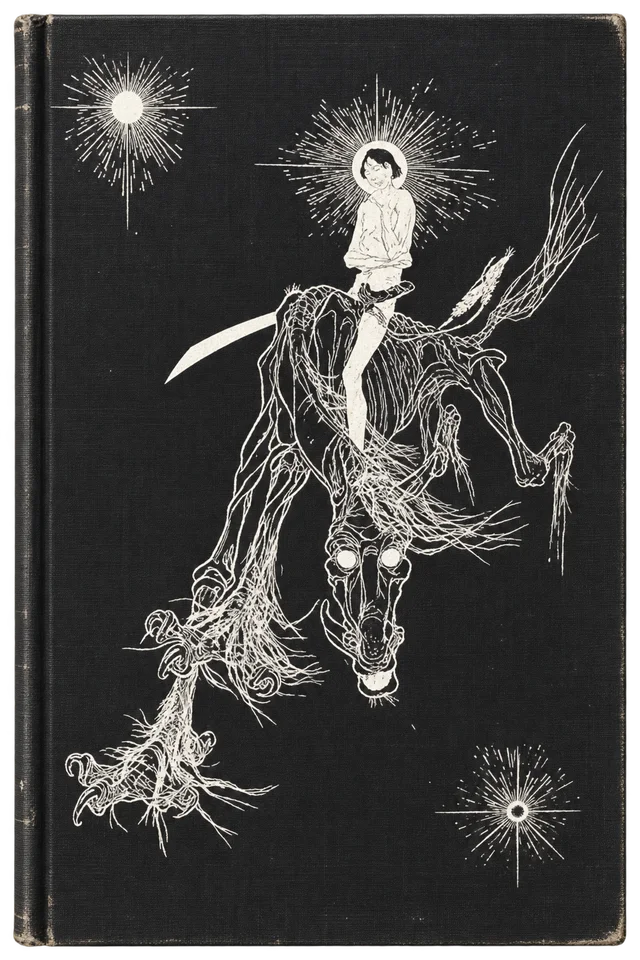
The held Covici-McGee volume was issued in September 1922 as a numbered edition for private circulation. Wallace Smith supplied ten drawings, separately credited from Hecht’s text. The book’s distribution led to obscenity proceedings. Those circumstances belong to its publication history, alongside the unstable narrator and the collaboration between writing and illustration that readers encounter within the volume.