Manuscripts and early printed books
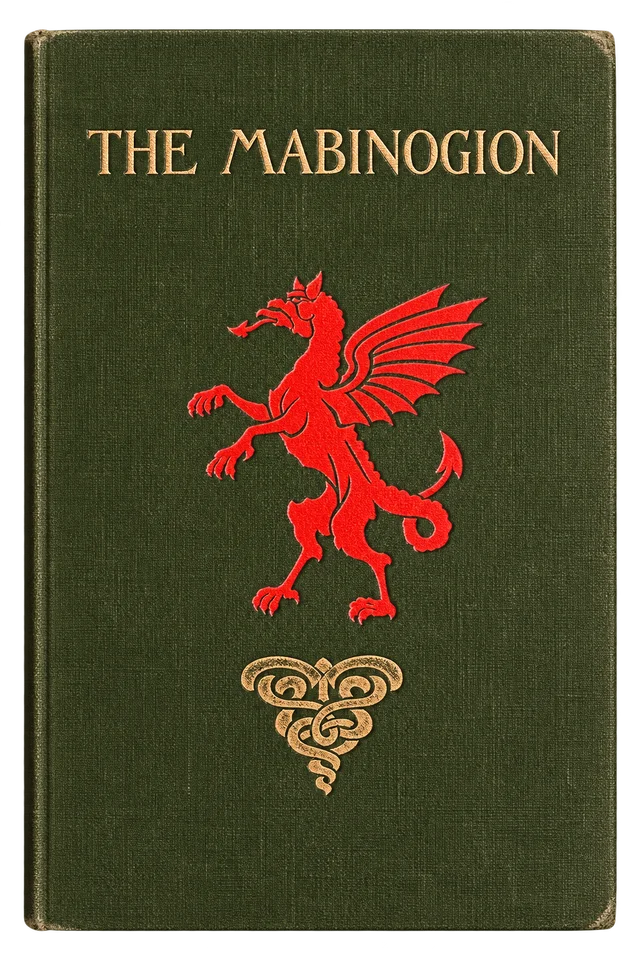
The oldest works gathered here are Welsh tales preserved in medieval manuscripts, including the White Book of Rhydderch. They reached a new public in the nineteenth century through Charlotte Guest’s English translation. John Jones, known as Tegid, and Thomas Price, known as Carnhuanawc, helped her work through the Welsh. Her original parts printed the Welsh text beside the English and included manuscript facsimiles. The translators can be named even where the storytellers cannot.
Anonymity has a different history in The Chymical Wedding of Christian Rosenkreutz. The German volume appeared in 1616 under the name of its central figure. Later evidence connects it with Johann Valentin Andreae, who looked back on the work in his autobiography. Its account of a royal wedding became part of the early literature associated with the Rosicrucians.
Unsigned works in print
The Dream of Ravan appeared unsigned in the Dublin University Magazine in the 1850s before it circulated separately as a book. Later Theosophical readers helped keep it in print. Its treatment of consciousness and Indian epic therefore comes to the library through two publishing settings, first as periodical literature and then as a work selected for a readership interested in Eastern religion.
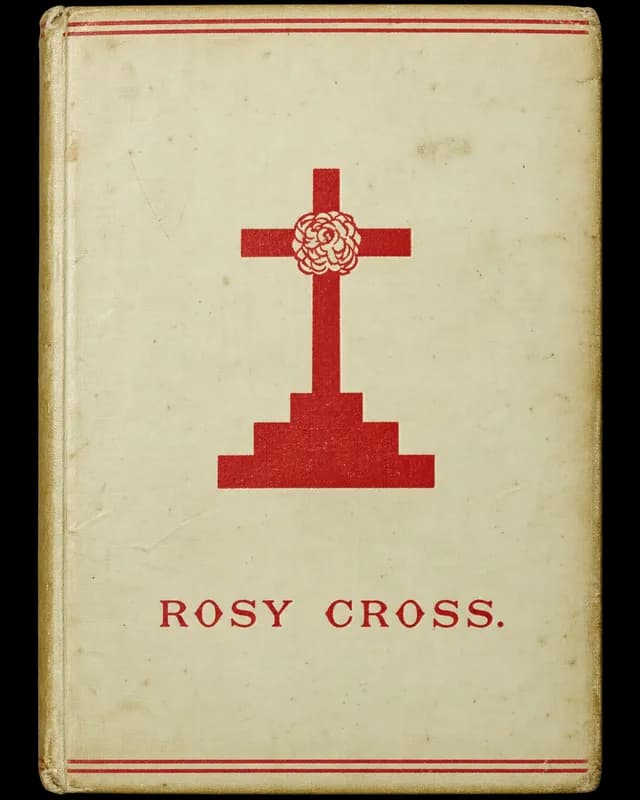
The compiler of the nineteenth-century Mysteries of the Rosie Cross likewise left a preface and a selection of historical material without attaching a personal name to the enterprise. Each work under this heading has its own history of authorship, translation and publication. The names that can be securely recovered belong with the particular edition in which those people worked.